Story of Seasons: Grand Bazaar Review—Cozy Farming on PS5 and Xbox Series X
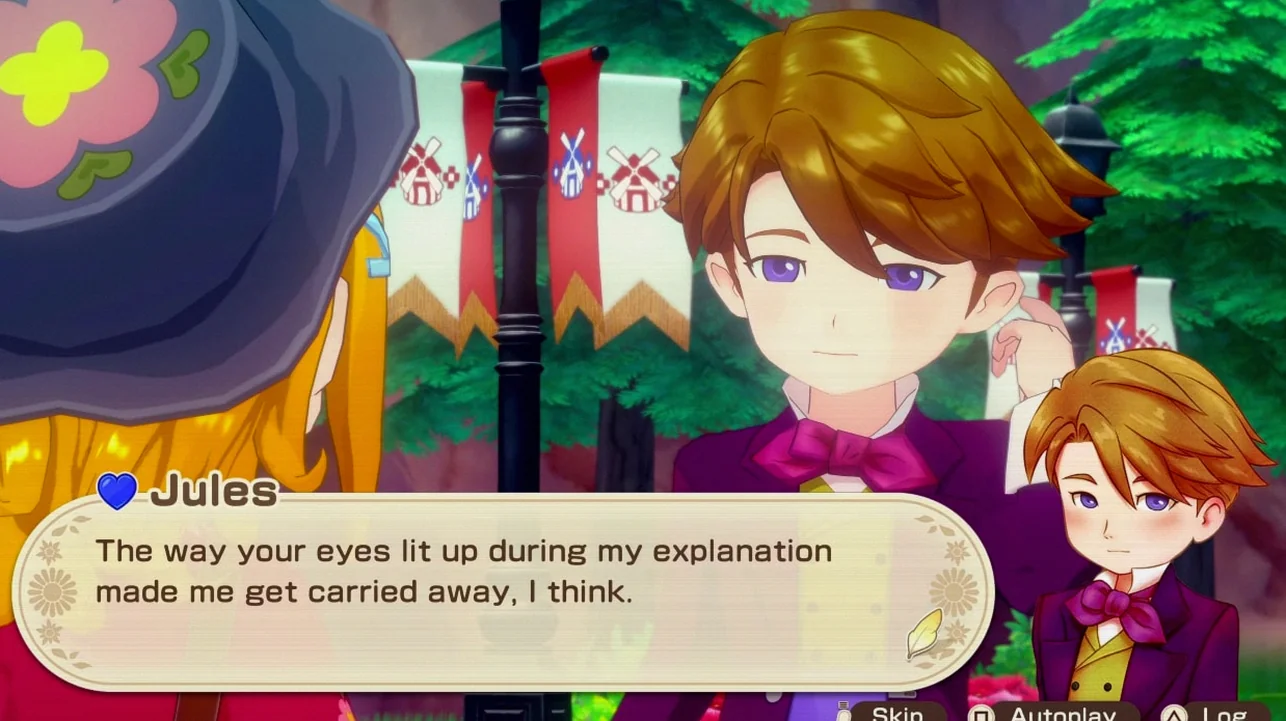
Farming sims have long been a Nintendo home turf, but Story of Seasons has steadily widened its reach as the genre’s cozy audience keeps growing. With Story of Seasons: Grand Bazaar now available on PlayStation 5 and Xbox Series X alongside other recent platforms, it’s worth revisiting one of the franchise’s more distinctive entries—especially if you missed the original Nintendo DS release back in 2008.
Why this franchise shift matters
For years, Harvest Moon and Story of Seasons releases were closely tied to Nintendo systems. That meant players on other platforms often had to wait—or simply miss out—on some of the most relaxing, routine-driven games in the genre.
Marvelous later took over the Harvest Moon franchise and rebranded it under the Story of Seasons name, which helped bring these cozy farm life experiences to additional hardware. As cozy games continue to draw strong interest from adult players, many of these titles have remained relevant well beyond their original launch windows, including entries that are now selling years after debuting.
I personally didn’t get the chance to play Grand Bazaar when it first arrived on Nintendo DS in 2008. I did, however, play the Nintendo Switch 2 version last year. Now that the game is also on PlayStation 5 and Xbox Series X, I went back in to see whether the extra performance changes how the experience feels in practice.
Still distinctive after all these years
Before jumping back in on newer systems, I’d already heard that Grand Bazaar stood out from the usual Harvest Moon-style formula. The reputation isn’t exaggerated: the game is a full-on farming sim, but it also consistently finds ways to behave differently from what players might expect.
You still do the classic work that defines the series—planting and watering crops, caring for animals, gathering supplies through foraging, chopping wood, mining ore, and more. You also have plenty of people to meet, befriend, and romance, plus a steady stream of events to keep the calendar from feeling empty.
What makes me especially interested in returning to it in the present is how many of its “different” ideas are not just surface-level gimmicks. They’re built into the day-to-day loop, which is why they hold up even after an 18-year gap.
Modern-feeling mechanics: weather, sprites, and choices
One of the standout systems is weather. Dynamic conditions aren’t brand-new to Story of Seasons—other entries have handled it before—but the way Grand Bazaar uses it makes it feel more consequential. Crops can be destroyed, which is a simple idea that changes how you plan your routine. The fix is straightforward: you can put up wind screens around your crops. Still, the bigger effect is behavioral—you end up paying closer attention to the forecast day after day than you might in many other farming games.
The game also brings back Harvest Sprites, a tradition familiar to long-time players. In many Story of Seasons and Harvest Moon titles, these sprites tend to help with farm chores. Here, you’re expected to interact with them more directly: you give them specific items to raise the quality of the items they handle.
There are multiple sprite types for different activities. For example, you’ll find a fishing Sprite, a foraging Sprite, a honey Sprite, and more. Once you provide the item they want, future catches and foraged goods of that type improve in quality. That creates a decision space that isn’t only about efficiency—it’s about priorities. Do you take what you’ve gathered to the bazaar to earn money, or do you instead invest those materials in upgrading item ranks so your future harvests become better?
The Grand Bazaar is the real engine of progress
At the center of the game’s economy is the Grand Bazaar, which functions as the lifeblood of Zephyr Town. Instead of using shipping boxes that let you unload goods without leaving the farm, you regularly travel to the bazaar each week to sell what you’ve produced.
That travel structure changes how the farm feels. You can sell items at local shops during the week, but the more engaging option is to build up a stockpile and sell on Saturday. In other words, the game encourages you to think ahead and treat the calendar like a resource, not just a backdrop.
As you keep playing, the bazaar loop becomes a fast route through long stretches of time. From Sunday through Friday, I found myself spending almost every waking moment ensuring I had enough stock ready for Saturday. Even after I progressed further, I sometimes skipped a bazaar to focus on quests or cooking—but maintaining a solid amount of inventory for bazaar day quickly made months and years feel like they passed at a manageable pace.
PlayStation 5 upgrades: quality-of-life and presentation
While PlayStation 5 doesn’t offer the portability that the Nintendo Switch 2 version has, it does bring enhancements that are hard to ignore. Players get improved video and audio quality, along with faster loading times. That last point matters because one of my biggest frustrations with the Nintendo Switch 2 version was how long loading could take.
There’s also platform-specific cosmetic DLC on PlayStation 5 that isn’t present on other systems. Even so, it’s not presented here as a decisive reason to buy—cosmetics don’t fundamentally change the loop, and the core appeal stays rooted in the game itself.
Regardless of which platform you choose, there’s a clear argument for spending time with a nearly two-decade-old release. I hadn’t played Grand Bazaar on its original Nintendo DS hardware, so this felt close to a fresh experience despite the age of the design. It may not be my top pick in the Story of Seasons lineup, but it’s still a stronger game than Pioneers of Olive Town, and it’s easy to justify investing in.
What you should know before you buy
No, the game doesn’t support cross-platform save transfers. A save created on one platform can’t be picked up and continued on another.
No, while the original 2008 DS release included some multiplayer functionality, the remastered versions released in 2025 and 2026 are single-player experiences only.
The reviewer notes they’ve been writing about video games since 2014 and board games since 2018. If they aren’t supporting the Toronto Maple Leafs or Toronto FC, they’re likely playing on a Nintendo platform with a controller in hand or seated at a table with a board game. They also hold strong opinions on a few topics: that there are board games better than Settlers of Catan, and that Nintendo doesn’t need to compete with Sony and Microsoft.