Heroes of Might and Magic: Olden Era Patch Redoes Necromancy for Necropolis
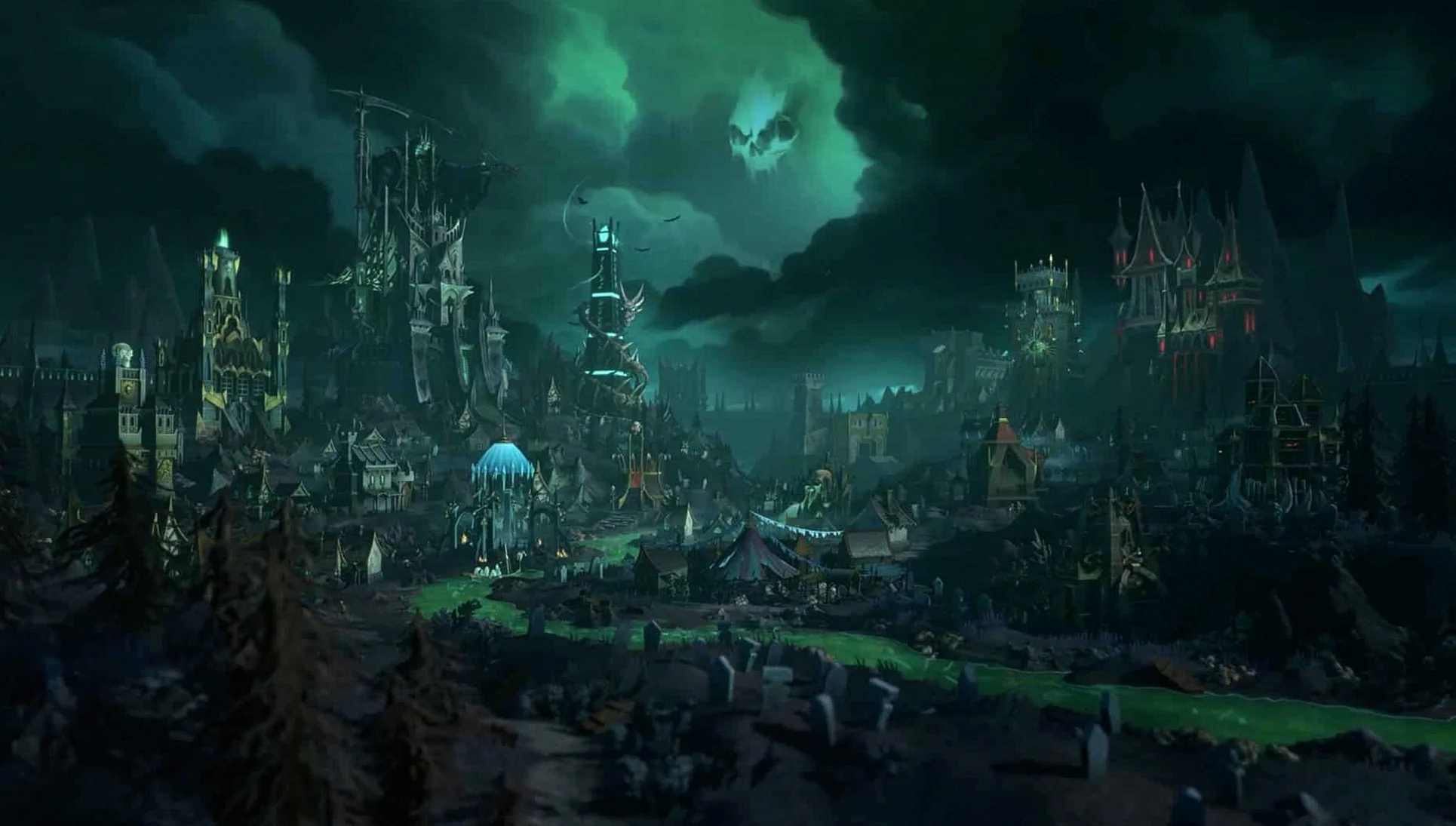
Unfrozen has released a substantial update for Heroes of Might and Magic: Olden Era, bringing a mix of bug fixes, balance adjustments, and a major overhaul to Necromancy for the Necropolis faction. The patch goes after several long-running pain points that players have associated with how the necromancy system works in practice.
Key takeaways
- Necromancy for Necropolis heroes can now raise undead from enemy tiers even if those tiers aren’t currently in your own army.
- Raising units costs more energy in this update, with Tier 7 raises increased from 500 to 2000 energy.
- Base Necromantic Energy capacity has been raised to offset the higher costs, scaling from 3000–5000 based on skill level (up from 1000–1500).
- The Necromancy interface was reworked, adding a manual conversion option inside the battle results screen.
- Summon Avatar has been toned down, limiting the base version to surviving only three hits regardless of level.
- Four new random-map tournament templates were added, and the faction pick/ban order was adjusted so Player 1 drafts after both bans.
Necromancy overhaul reshapes Necropolis raising rules
Before this patch, Necropolis heroes had a strict limitation: they could only raise undead units from tiers that already existed somewhere in their current army. That constraint made the ability feel both rigid and punishing when a match didn’t line up with your existing lineup. With the update, that restriction has been removed.
Now, Necropolis heroes can raise enemy units into undead even if your army doesn’t contain that unit tier yet. When an enemy falls, it defaults to its base-tier undead counterpart—Skeletons for Tier 1, Wights for Tier 2, and continuing upward in the same tier chain.
There’s still a stack-driven element, though. If you already have undead of the relevant tier in your army, the specific undead unit you raise will depend on what’s in your current composition, rather than always using the default mapping.
Higher energy costs, bigger Necromantic Energy pool, and new UI options
To balance the newly expanded flexibility, the patch increases the energy requirement for necromancy raises across every tier. For example, a Tier 7 raise now costs 2000 energy, up from the previous 500.
To compensate for the higher costs, base Necromantic Energy capacity has been increased substantially. The capacity range moves from 1000–1500 up to 3000–5000, with the exact value depending on skill level.
The update also redesigns the Necromancy UI. A new option lets you manually convert fallen enemies into Necromantic Energy directly in the battle results window, instead of immediately raising them. The intent is to make this feature easier to access while preventing necromancy from becoming the single most dominant strategy for Necropolis leaders—especially in terms of repeatedly replenishing armies.
Additional patch changes: Summon Avatar, Battle Magic, tournaments, and draft rules
Beyond necromancy, the patch includes several other notable balance and quality-of-life changes. Summon Avatar has been nerfed so that the base version now only lasts through three hits, no matter the unit’s level. The update also opens up additional sub-skill upgrade paths.
Battle Magic has had its base stats reverted after recent changes that nerfed Might heroes. The earlier adjustments were made because Mages were considered too strong in comparison, so this revert is meant to restore the prior baseline.
On the content side, four new tournament templates have been added to the random map generator. These include Jebus Tournament and Outcast Tournament, plus two hybrid options called Mix and Galaxy.
Finally, the patch flips the faction pick and ban order. Player 1 now makes their faction selection after both bans occur, instead of picking last.
More coming later this year
There are clearly a lot of moving parts in this Olden Era update, and the full patch notes are presented as a major release rather than something that covers only the most critical items on the roadmap. In other words, the changes here are described as a big step, but not the full set of major updates planned for the rest of the year.
Categories
Latest News
Ah, remember the halcyon days where a tweet was limited to 140 characters? Now we live in a time where CEOs are posting 1,000 word emails on Musk’s X platform…