Microsoft’s 1980 Talks With IBM Over Project Chess Software Plans
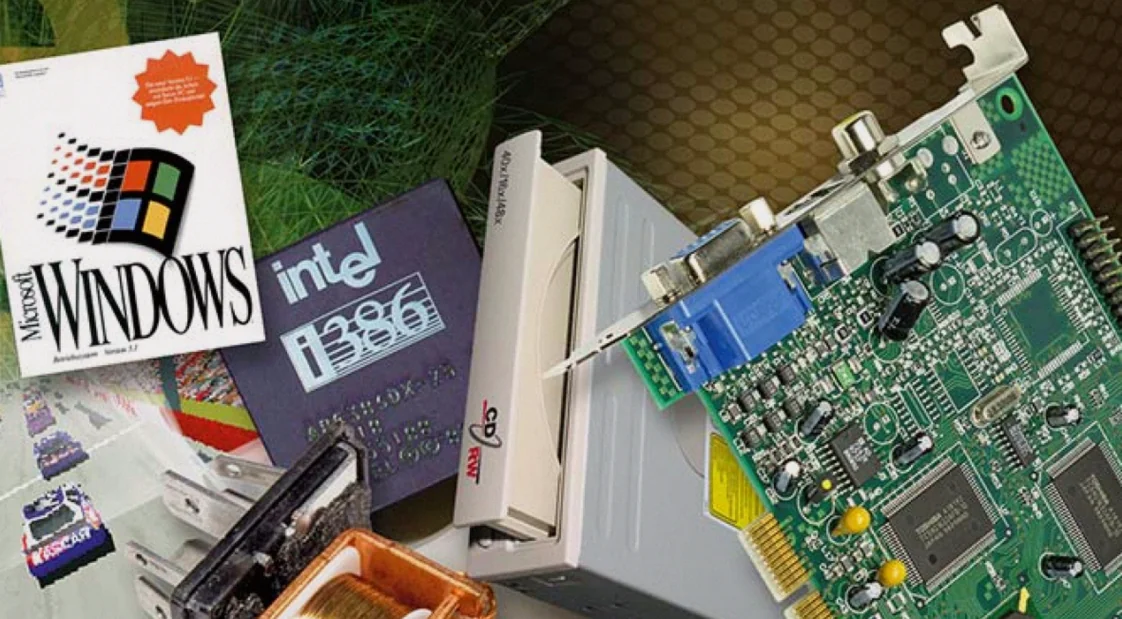
IBM’s upcoming microcomputer, internally codenamed “Project Chess,” was already drawing attention from the industry’s software heavyweights in 1980—right down to the question of which programming language and operating system would ship with it. In late August of that year, IBM representatives sat down with Microsoft leadership about software support, only to run into a key mismatch about operating-system ownership that required another meeting the very next day.
Release and platform timeline: late August 1980, early PC era
| Date (1980) | Event | Parties |
|---|---|---|
| August 21 | Negotiations on software for the coming microcomputer | IBM representatives and Microsoft leadership (Bill Gates) |
| August 22 | Follow-up meeting after an operating-system dead end | IBM and Gary Kildall of Digital Research |
The first critical discussion took place on August 21, when IBM leadership met with Microsoft’s management team to negotiate the software lineup for the machine IBM was preparing to bring to market. Bill Gates agreed to provide at least one major piece of software: the programming language BASIC.
However, the conversation quickly shifted to operating systems—specifically CP/M, which at the time functioned as a near-default standard across platform-independent setups. When IBM asked about CP/M as part of the plan, Gates did not point to Microsoft as a source. Instead, he directed the question toward Digital Research, stating that Microsoft did not have its own operating systems available.
That clarification set off the next step. Soon after the August 21 meeting, Gates arranged a new meeting between IBM and Digital Research’s leadership figure Gary Kildall on August 22. The follow-up was meant to address the CP/M issue head-on—though the account makes clear that the next meeting would not go smoothly.
In other words, the software story behind IBM’s early PC push wasn’t just about what could be programmed; it was about who controlled the operating environment the hardware would rely on. BASIC was lined up through Microsoft, but the operating-system expectations surrounding CP/M required IBM to pivot toward Digital Research at the last moment.