Legacy of Kain: Soul Reaver’s Enduring PS1 Legacy Still Holds Up Today
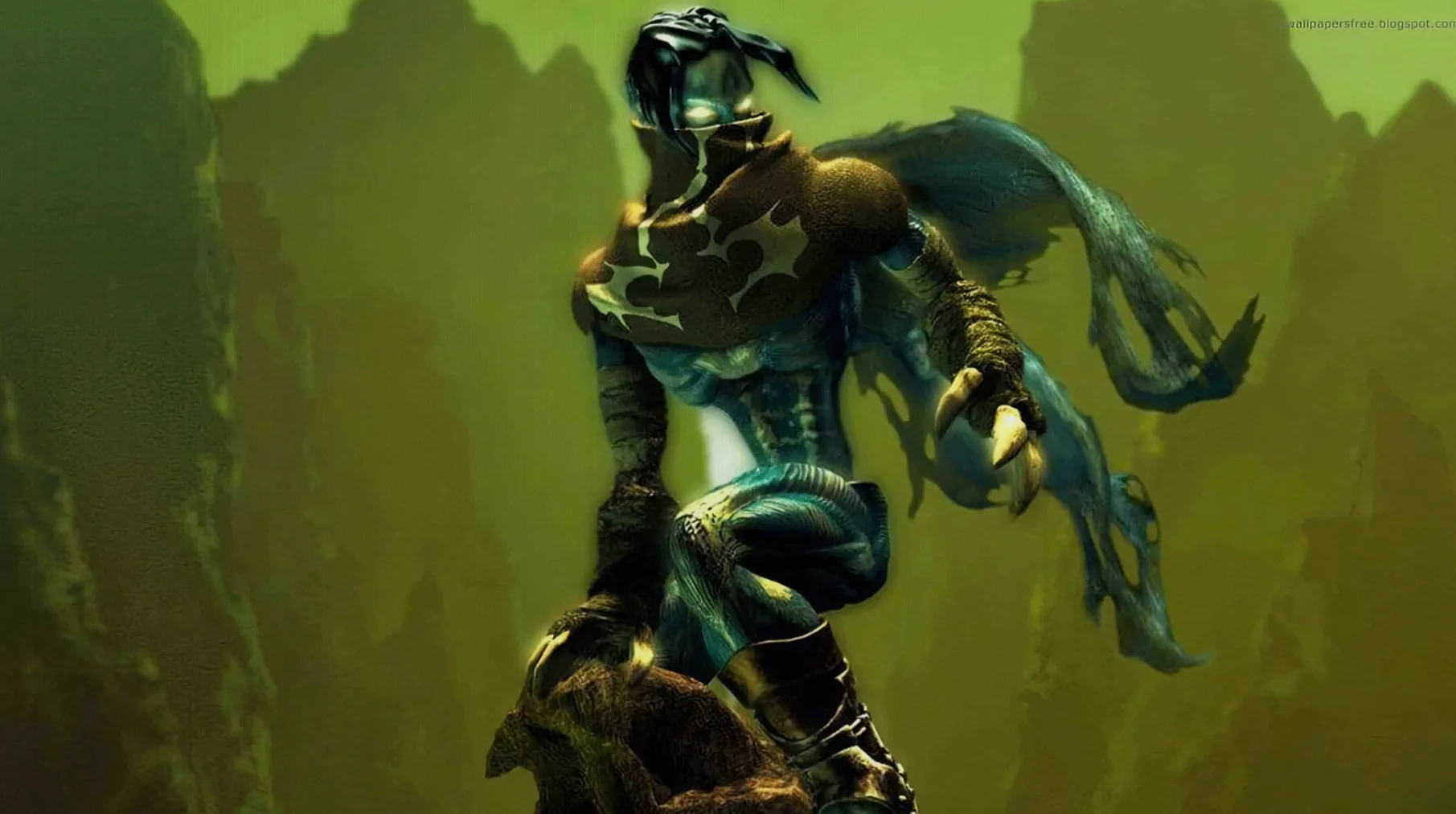
In 1999, Legacy of Kain: Soul Reaver landed on the original PlayStation with a reputation that still holds up today: a moody, interlocking Gothic world; unusually clever level design; and a presentation built around seamless transitions that largely avoided obvious loading screens. Nearly 26 years later, the game’s legacy continues to be revisited—especially as its later, corrected iterations and the history behind its cut content come back into focus.
Key takeaways
- Soul Reaver debuted on the original PlayStation in 1999, using a world structure that relied on minimal visible loading between large areas of Nosgoth.
- The game’s signature mechanic switches between spectral and material worlds, and some environmental puzzles require using both.
- The Dreamcast version released in early 2000 is widely seen as technically superior, with smoother performance, sharper visuals, improved textures, and refined lighting.
- Development was rushed to meet Eidos Interactive’s deadlines, leading to the removal of multiple areas, bosses, and parts of the story during production.
- Writer Amy Hennig later acknowledged the game shipped intentionally incomplete, with the plan to reintroduce missing elements in a follow-up—partially realized in Soul Reaver 2.
- Legacy of Kain: Soul Reaver 1 & 2 Remastered released in December 2024 and restored a large portion of the previously cut content.
A revenge tale powered by a “dual world” core
From its opening, Legacy of Kain: Soul Reaver established a distinct tone: Raziel, the former lieutenant betrayed by his master Kain, wanders through a broken world searching for meaning and redemption. The game’s standout technical and design identity centers on how it handles transitions between two states of reality—spectral and material—without leaning on obvious loading breaks as it moves between major spaces in Nosgoth.
This duality isn’t just aesthetic. It directly shapes gameplay and problem-solving, since certain environmental puzzles can only be solved by shifting between the two planes. That requirement forces constant attention to spatial relationships, turning exploration into an essential part of the puzzle loop rather than something that only occasionally supports it. The experience is also reinforced by its art direction: a baroque-yet-decayed look that frames the world as a moving field of ruins.
Why parts of the story never made it in—then returned years later
Despite its enduring impact, Soul Reaver carries a production history that explains why it feels dense but fractured. The development schedule was pushed to meet deadlines set by Eidos Interactive, and the result was a significant cut during the production and editing phase. Multiple entire areas, boss encounters, and portions of narrative were removed before launch.
Writer Amy Hennig—who would go on to lead work behind Uncharted later in her career—eventually described the release as deliberately incomplete, with the intention of recycling the removed elements in a future installment. That idea only partially came to fruition in Soul Reaver 2, as some of the missing material found its way into the next chapter of the franchise.
Even so, many players and commentators continue to point to the same paradox: the truncation didn’t necessarily damage the game’s atmosphere. Instead, the sense of unfinished narrative contributes to an eerie, almost spectral feeling that mirrors the protagonist himself—mutilated yet persistent. The game’s French voice work is also noted as fully dubbed, with attention to delivery that fits the era’s more dramatic, tragedy-leaning storytelling style.
Dreamcast upgrade and the remasters restoring what was cut
For technical improvements, the Dreamcast version matters. Released in early 2000, it offered a smoother and cleaner presentation than the original PlayStation release, with enhanced textures and more refined lighting effects. While the core gameplay remained the same, this edition is often treated as the most complete technical realization of the original vision—outside of later remasters.
Then, decades later, the missing content re-entered the conversation in a concrete way. Legacy of Kain: Soul Reaver 1 & 2 Remastered launched in December 2024, restoring a large share of the cut material from the earlier games. That makes the remaster not just a visual refresh, but also a partial answer to the long-standing question of what was removed under deadline pressure.
As for the series’ future, the franchise remains quiet: despite ongoing rumors about reboots or further entries, no clear next project has surfaced.