Quake CD’s Phone-Based DRM Was Cracked in 39 Days, id Software Learned Fast
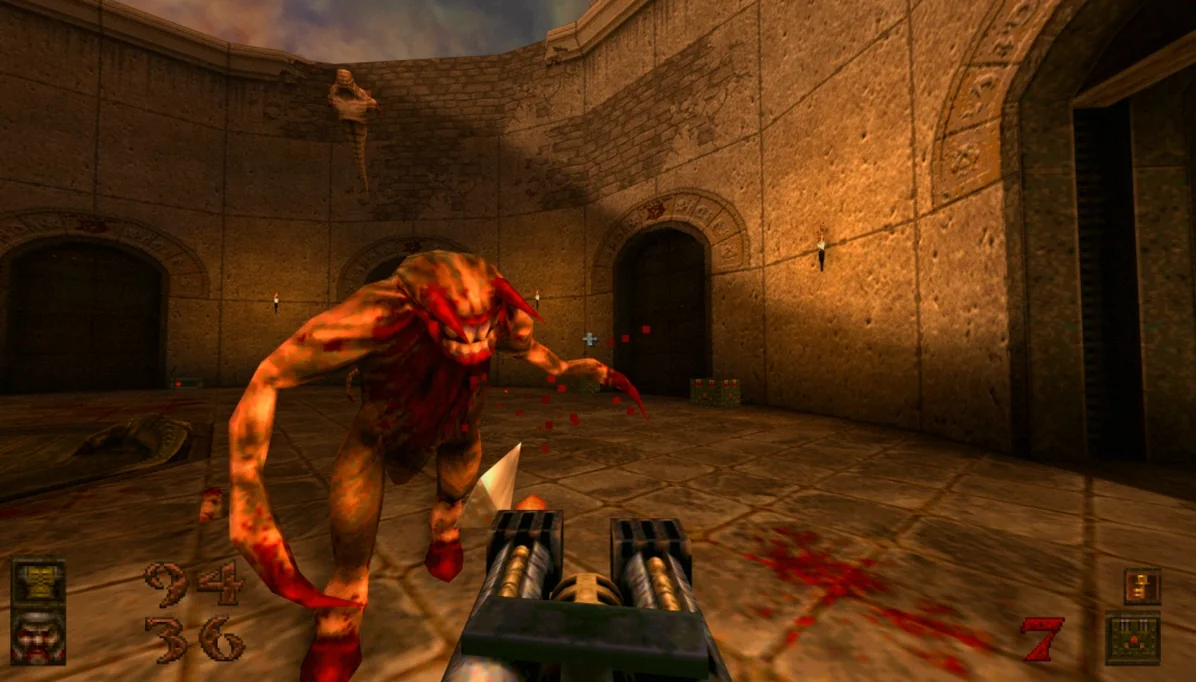
When Quake landed on CD in 1996, id Software didn’t just add space for installs—it tried a release model that mixed encrypted content with a phone-based unlock. The idea was meant to be a clever bridge to a pre-digital storefront era, but it didn’t survive contact with early cracking. Within 39 days, the protection was bypassed, and the knock-on issues didn’t stop with Quake.
Encrypted games on one disc, unlocked by dialing a hotline
id Software used the extra room on the CD to go beyond the standalone retail version of Quake. Alongside the shareware offering, the disc contained encrypted versions of additional games from the studio. The package included multiple Doom titles as well as Heretic and Hexen.
Instead of distributing each game separately or relying on online authentication, buyers had to call a hotline, pay, and then enter a unlock code. The relevant data for the extra games was already on the disc—the purchase only activated access after the code was provided. At the time, that approach stood out because fast internet connections and modern digital game platforms weren’t yet part of everyday buying habits.
Protection broken in 39 days
French software developer and author Fabien Sanglard later described how the scheme unraveled quickly. On October 8, 1996, an archive called “Quakecrk.zip” appeared. Inside was a program named QCRACK.EXE, designed to derive valid serial numbers from the challenge codes generated by the system.
The underlying weakness, according to Sanglard’s analysis, was a design flaw: the disc’s unlock software could compute the very serial number the system expected. After that, it only checked whether the user-entered code matched the computed result—meaning the “secret” part of the process wasn’t protected strongly enough.
Extra complications: Final Doom’s unlock failed
Beyond the general crackability of the CD protection, Sanglard also pointed to problems with how some content unlocked. In particular, Final Doom allegedly couldn’t be activated through the normal unlock process.
The reason was a mismatch in how the system referenced its own game data. Sanglard reports that the game ID for Final Doom was tied to a codename recorded in a file called “SKU.17,” where the entry for “Final” used a capital “F”. The unlock system expected the label “final” with a lowercase “f”, causing it to target the wrong data file and fail to generate a valid unlock code.
In a twist that would have felt especially bitter for paying customers, the cracked version reportedly bypassed that particular issue—so users running the unauthorized copy in this case may have experienced fewer problems than those using the official unlock method.
id Software reportedly stuck with a large pile of unsold CDs
Even if the technical problems hadn’t escalated, the experiment appears to have created commercial friction. David Kushner’s Masters of Doom describes id Software as ending up with nearly 150,000 unsold CDs. The CD-shareware concept therefore accumulated multiple setbacks—technical, experiential, and distribution-related—that later became familiar themes as game delivery moved toward digital models.