Meccha Chameleon Update 2.3.0: Ammo Limit Settings Explained
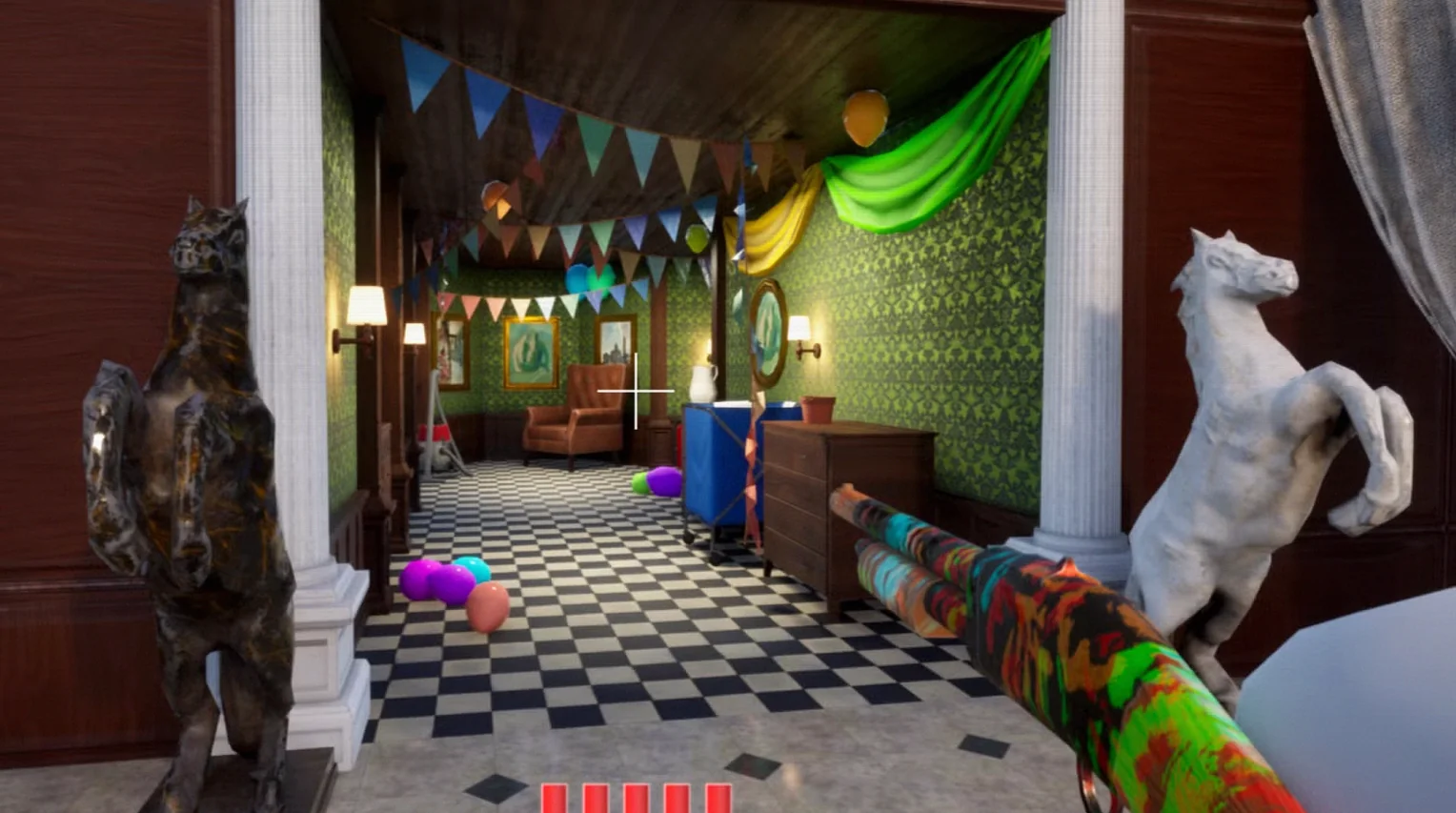
Meccha Chameleon has rolled out update 2.3.0, adding a new “Ammo Limit Setting” that changes how hunters approach each match. Instead of letting players fire freely in the hope of landing random shots, the option effectively caps ammunition so hunters must think more about where they’re positioned and how they’ll take advantage of hiding spots. Here’s what the setting does, how the host can configure it, and whether it’s a meaningful tweak for your group.
How to Use the Ammo Limit Setting in Meccha Chameleon
- The Host is the only role that can change this setting.
- In the lobby, press the blue button, then press the E key to configure the map.
- You’ll be shown three columns of settings. In the left column—on the side matching your map selection—there’s a list of options related to timing and hunter-related features.
- Near the bottom, there’s a new toggle to turn the Ammo Limit for the hunter on or off.
- Use the arrow buttons next to the “Ammo Limit” label to switch between enabled and disabled.
With Ammo Limit enabled, you also set the hunter’s starting ammunition. The value can be any number from 1 to 99, because the input allows only two characters. Enter the number before launching your chosen map, and that will be the ammo the round begins with. The default starting amount is 5.
Even when you leave the default at 5, hunters can still hunt beyond that number of targets—there’s a key mechanic that makes the “cap” less straightforward than it sounds.
How the Ammo Limit Setting Works
When a hunter hits a chameleon, their ammo is restored. That means starting at 5 doesn’t necessarily mean you’re limited to five successful hits. For example, if a hunter uses their ammo only to land shots on chameleons, they can regain that ammo and keep going.
However, the restriction becomes punishing if hunters spend bullets on the wrong things. If a hunter shoots a location that isn’t a chameleon, that bullet is gone for good. If the hunter uses up all their ammo, they won’t be able to shoot a chameleon even if one is right in front of them.
If every hunter runs out of ammo, the chameleons automatically win the round. This also prevents the match from dragging into a waiting game where hunters keep missing while hiders maintain strong hiding spots. You can see your remaining ammo at the bottom of your HUD, so every shot needs to be deliberate.
Missing shots at a running hider does not cause ammo loss for hunters.
Why This Change Matters for Hunters and Party Play
The Ammo Limit Setting changes hunter decision-making in a way that affects both individual performance and team coordination. Since ammo only comes back by hitting a chameleon, hunters are encouraged to avoid “spray and pray” behavior and instead commit to shots that are more likely to result in a restore. In practice, that means better target discipline and more confidence in where chameleons are likely to appear.
At the same time, the automatic chameleon win condition when hunters run out of ammo raises the stakes: one series of wasted shots can end the round faster than before. The HUD ammo counter becomes more than a number—it becomes the timer that determines whether the hunter team can keep pressure on hiders.
Key Takeaways
- Ammo is replenished when a hunter hits a chameleon, so correct shots can sustain the hunt.
- Shots that don’t hit a chameleon permanently consume ammo, making poor guesses costly.
- If all hunters are out of ammo, chameleons win automatically—no extended “miss-check” loop.
- Hunters do not lose ammo when they miss while shooting at a moving hider.
- The setting is configured only by the host, with starting ammo defaulting to 5 and adjustable from 1 to 99.