Xbox Confirms 3,200 Layoffs as Studio Restructuring Begins
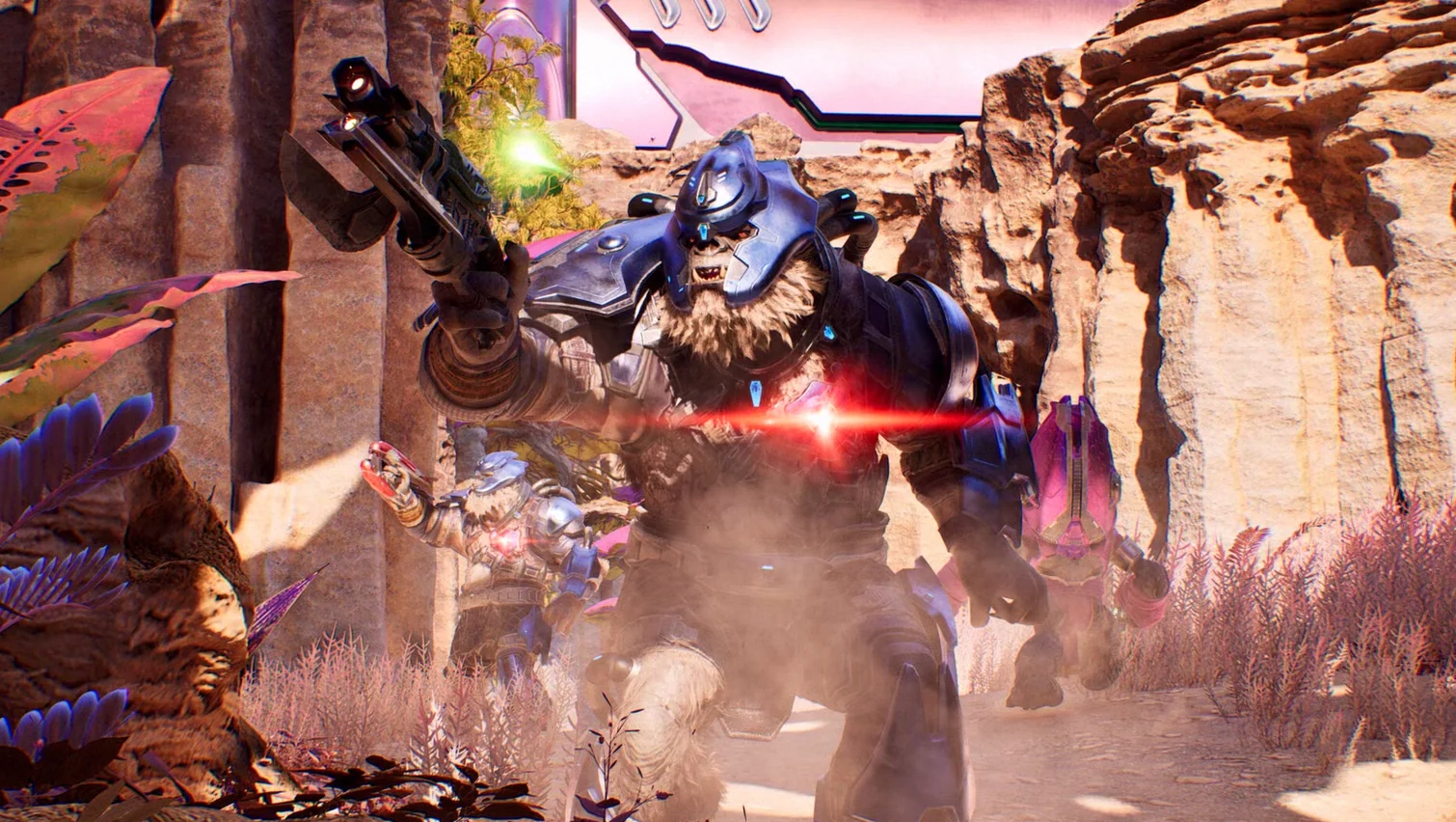
Xbox layoffs that had been widely rumored are now officially happening. CEO Asha Sharma shared a detailed message with both staff and the wider public, stating that 3,200 job cuts will take place across FY27, with 1,600 of those roles already eliminated earlier this week.
Alongside the layoffs, Xbox also reshaped several studio relationships. Double Fine and Compulsion Games will be operating as independent entities going forward, while still holding onto their existing intellectual property library. Ninja Theory and Undead Labs, meanwhile, have both landed new ownership, and upcoming projects such as Senua and State of Decay 3 are expected to continue moving. Arkane’s situation is less settled: the studio’s next steps and the future of Blade are still unclear as Arkane works through negotiations with French financial organizations.
To be fair, letting studios spin out as independent companies while keeping full ownership of their IP is a far better outcome than I expected. At minimum, it gives those teams a real chance to build something successful after this harsh chapter. Still, in an ideal scenario, none of these short-sighted decisions would have been made in the first place.
It’s not just the newly separated studios feeling the impact. Teams such as Obsidian, idSoftware, and Bethesda have also been hit hard, with hundreds of developers reportedly being laid off as part of cost-cutting. The concern is that the cuts don’t appear to fully account for how that talent maps onto both current commitments and future production needs. With experience removed so abruptly, remaining teams are now scrambling to close skill gaps just to hit deadlines or maintain ongoing support. Not much about this is good, and it raises a bigger question: how Microsoft plans to carry this forward in a way that supports a more sustainable future for the medium.
With that in mind, here’s a look at the projects currently in development at active Xbox studios, along with work connected to studios that have recently moved on.
Activision Blizzard and King aren’t included in this roundup, since many of their major franchises are already widely known and operate as separate entities.
Double Fine Productions
Double Fine recently delivered Kiln, which landed with critics as charming but underwhelming, and it also released Keeper, a title noted for its darker tone. Before this week’s split from Xbox, it wasn’t clear what else the studio was building.
Looking at Double Fine’s track record, it’s the kind of studio that likes juggling multiple efforts across different teams. It wouldn’t be surprising to see something bigger under Tim Schafer’s direction in some form—maybe a continuation of Psychonauts, or an entirely new game concept. Only time will tell, but the hope is that Double Fine lands on its feet, because the industry would be worse without it.
Compulsion Games
Compulsion Games has a similar level of mystery around what it’s currently developing. The studio recently released South of Midnight for PlayStation 5, and prior to that, it shipped We Happy Few.
Under Xbox, the studio’s goal was clearly to produce narrative-focused experiences. If the new situation works out, there’s optimism that Compulsion can keep creating stories that feel distinct in both look and gameplay, without trying to imitate what other developers are already doing. It’s the kind of future I’d genuinely want to see.
Arkane
Since becoming part of Xbox, the publisher has already closed Arkane Austin, the portion of the studio behind games such as Prey and Redfall. After that closure, Arkane Lyon continued work and has been focused on Marvel’s Blade.
No gameplay has been shown yet for Blade, and reports indicate it’s running over budget and behind on development milestones. The hope is that it can secure a new publishing partner—or otherwise find a path to completion—without having to make too many compromises along the way. Arkane has produced multiple standout games in its history, and it deserves a better outcome than this uncertainty.
Undead Labs
Most players know Undead Labs for its zombie-slaying franchise, but right now the studio is working on State of Decay 3. Over the summer, the project received fresh footage and additional details.
The direction sounds promising, and it has the potential to bring in a large, devoted community similar to what the earlier entries built. With the studio now under new ownership, it’s clear the new leadership understands that community matters.
Ninja Theory
Based not far from where the writer lives, Ninja Theory is a multi-talented studio with a wide history, ranging from DmC: Devil May Cry to Bleeding Edge and Enslaved. More recently, though, it has been concentrating heavily on the Hellblade universe.
A new entry in the series—one that drops the Hellblade branding entirely—was revealed during this year’s Xbox Game Showcase. That’s the Senua announcement, and the expectation is that it can thrive under new leadership.
Next, the focus shifts to the larger group of studios still owned and operated by Xbox—many of which also endured significant layoffs earlier this week, with effects that are expected to last for years.
Halo Studios
Like much of Xbox’s internal restructuring, Halo Studios is effectively going through a reboot. Formerly known as 343 Industries, it’s now driving the next era of Master Chief by moving away from the Reclaimer Trilogy and from Halo Infinite.
That future is set to begin with Halo: Campaign Evolved later this month. It’s described as a remake of the first game developed on Unreal Engine 5, designed to appeal to both casual players and long-time fans. After that, the roadmap gets murkier, but the hope is that the franchise doesn’t pivot toward a greedy live-service model.
The Coalition
The Coalition, another studio tied strongly to a single major franchise, is currently finishing up Gears of War: E-Day ahead of its release scheduled for this October.
In recent years, many studios have either been shut down or sold, including Tango Gameworks, Arkane Austin, Alpha Dog, and The Initiative. The trend, as framed here, is that the situation keeps growing more severe.
The Coalition previously developed Gears 4 and Gears 5, but then moved away from that trilogy’s narrative in favor of a reboot/prequel approach. After E-Day, it remains unclear where the series will go next, though it’s not hard to imagine players being pulled into the future again—or getting remakes of the original trilogy—because nothing sells quite like nostalgia that’s been packaged as comfort.
Turn 10 Studios
Turn 10 was founded in 2001 and once produced some of the most successful entries in the Forza Motorsport franchise. Over time, though, it has faded somewhat, especially as the latest release failed to keep a steady audience.
In recent years, it has collaborated with Playground Games on each Horizon title. At the moment, no independent Turn 10 projects are known to be in development. It’s also likely the studio is helping with Fable, since the project uses the same engine.
Playground Games
Playground Games stands out as one of the most active and successful Xbox studios in recent memory. It continues to deliver Forza titles that perform well both critically and commercially, and it’s also working through Fable, which is expected to launch in February 2027.
Both Forza Horizon 6 and Fable are expected to receive post-launch updates and ongoing support. For now, that means keeping attention on those releases before the studio shifts to whatever comes next.
Rare
Rare was acquired by Microsoft back in 2002, before the launch of Xbox 360. In more recent years, it has largely functioned as a Sea of Thieves support and development hub, with fewer other major releases.
Everwild was in development for a time, but it was cancelled amid what’s been described as development trouble. Meanwhile, collections like Rare Replay are now about a decade old. The writer expresses surprise that Xbox hasn’t invested more aggressively to bring back an iconic character such as Banjo, or at least ensured that Rare could ship more than one game within a decade.
Obsidian Entertainment
Recent reports suggest Obsidian Entertainment was hit especially hard by the layoffs. Large percentages of entire teams were reportedly removed, leaving the future of multiple projects in doubt because the necessary expertise may no longer exist within the studio in the same way.
The Outer Worlds 2 released late last year, and early access work continues on Grounded 2. Beyond that, what else Obsidian has in the pipeline remains unclear. Many players are hoping for Fallout: New Vegas 2, and given Xbox’s interest in leaning into enormous IP moving forward, that hope feels plausible. The key wish here is that a studio with that level of talent can still keep telling strong stories in whatever form it can.
InXile Entertainment
InXile Entertainment may not be as widely recognized as some other studios in this roundup, but it’s behind the upcoming Clockwork Revolution. What’s been shown so far points to a game that’s ambitious and stylish, and the hope is that the studio hasn’t lost key talent needed to deliver on its creative goals.
Its last release was Wasteland 3, a title praised for an unusually deep level of content and gameplay systems that reward players while still offering meaningful challenge. If Clockwork can match even part of that, it could be a standout.
Id Software
Id Software has a deep history in the FPS genre, credited with helping define what first-person shooters became and with creating classics like Doom and Quake. Just last week, it released a major expansion for Doom: The Dark Ages titled Revelations, giving the Doom Slayer a demonic spear to throw at will.
Unfortunately, like Obsidian, the team was heavily impacted by the layoffs. Talent from across the Dark Ages team and beyond was reportedly let go. What that means for the studio’s next game—and how it will affect the evolution of idtech engines—is unclear. Doom and Quake were also cited as major IP priorities for Sharma and the leadership team, so the expectation is that those franchises will continue.
MachineGames
Indiana Jones and the Great Circle was a surprise commercial hit for MachineGames, and it also delivered a genuinely strong experience for many players. Now the Swedish studio is returning to the world of B.J. Blazkowicz and company for Wolfenstein 3.
Very little is known about the next installment, including whether it will ignore the divisive events of Youngblood and instead act as a direct sequel to New Colossus. The writer says it’s exciting to keep fighting Nazis, even if the wait to learn how that “torture” will be carried out will take time.
Bethesda Game Studios
Recent reports claim The Elder Scrolls 6 is still two or more years away from release. The scope of such a massive RPG makes that timeline feel plausible, though Bethesda Game Studios was also hit by layoffs that put the development pace of the project at risk. Some insiders have even suggested the studio faced the most severe cuts of any team.
Xbox is aiming for big, consistent wins moving forward, and that naturally puts major franchises like Fallout and The Elder Scrolls in the spotlight. Since millions of players love those worlds, it seems logical that pushing out games faster would be better—yet the writer isn’t convinced. The concern is even more pronounced if studios already discussed here are pulled in as support to speed things up.
Overall, it’s framed as though Xbox is effectively letting the “Double-A” tier die off internally.
Zenimax Online Studios
The Elder Scrolls Online remains a consistent success with a very active community, but that may not last if much of the team has been decimated by these layoffs. The situation is described as potentially threatening the game’s longevity.
People who worked at the studio for nearly two decades were reportedly laid off this week. That has players—both casual and highly invested—wondering what the future of ESO will look like next.