Why Retro Consoles Turn Yellow: The Real Science Behind Aging Plastic
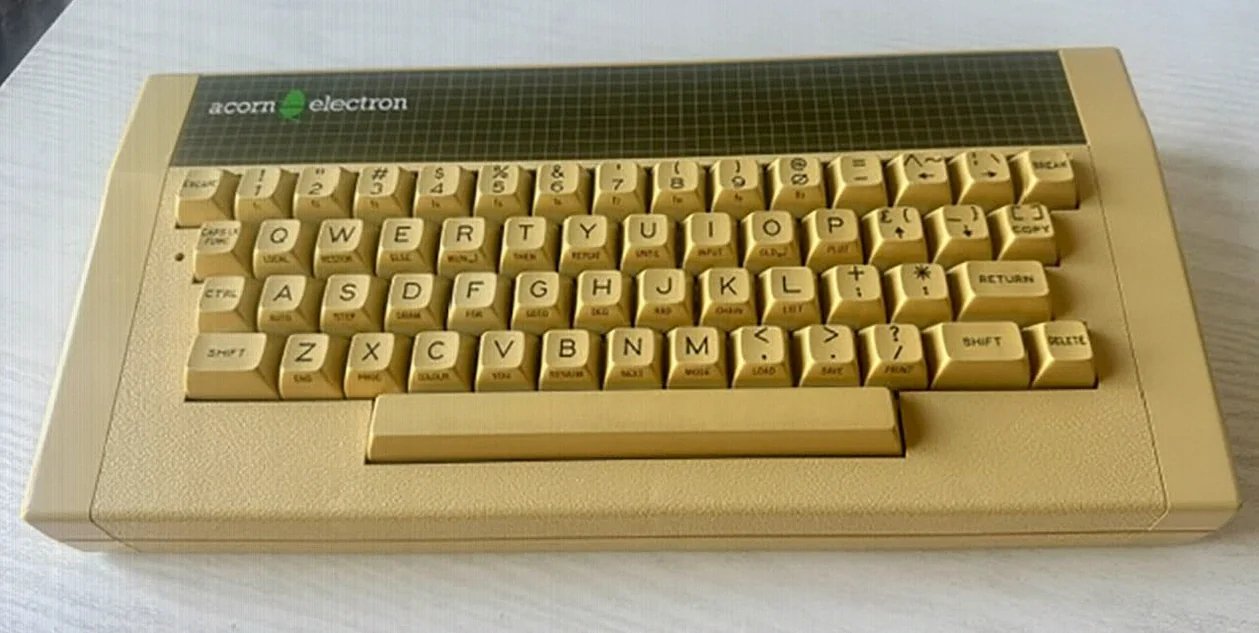
Pulling an old console from the loft—or grabbing one second-hand—has become a ritual for retro fans. Then reality hits: the once-clean off-white plastic has turned into something that looks like it’s been stored in a smoky basement for decades. The internet has a neat, repeatable punchline for this “yellowing” problem, but the truth is more complicated, and that matters if you’re trying to decide whether restoration is worth the effort or whether you’re about to damage something you can’t fully save.
Why retro plastic turns yellow in the first place
One of the most common plastics used in electronics from the 1980s and 1990s is ABS, short for acrylonitrile butadiene styrene. It was everywhere because it’s tough, inexpensive, easy to mold, resistant to impacts, and looks good—at least while it’s new. That made it a go-to material for consumer hardware like computer cases, console shells, monitor bezels, keyboards, printers, cartridge housings, and the rest of the “beige era” electronics people still hunt today.
ABS isn’t a single ingredient; it’s a blend. For yellowing, the key ingredient is the butadiene component. In the plastic, the butadiene rubber phase helps provide toughness, but it also includes chemical double bonds. Those bonds are vulnerable to oxygen and ultraviolet light—two things the planet is full of. Back when these devices were designed, no one was thinking about collectors opening them 40 years later, selling them, fixing them, and trying to preserve their original look.
Research on ABS photo-oxidation points to a specific mechanism: the butadiene phase is especially sensitive to ultraviolet exposure. Over time it develops chromophores—molecular structures that absorb visible light—and the visible yellowing tends to increase as that degradation progresses.
Chromophores are the heart of what you’re seeing. Plastic looks pale because it reflects and absorbs light in a certain way. When ageing chemistry creates new molecular structures near the surface or within the material, those structures begin absorbing different wavelengths. To your eyes, that shift shows up as yellow, brown, or tea-stained discoloration. It’s not just grime trapped in a porous surface; the chemistry inside the plastic changes.
There’s also a practical reminder: human vision doesn’t tell the full story. What looks “cleaner” or “more yellow” may be only part of the process, and different materials can appear different even if the underlying causes overlap.
Another curiosity is how widely this affects manufacturers’ hardware. Many companies from the era leaned toward grey or beige housings. Sega is a notable exception with darker machines, at least until the Dreamcast later joined the broader yellowing problem. Was the difference just styling and cost, or were the materials and formulations also different? The point is that the plastic chemistry—and the way it was exposed—varies.
Cleaning vs. chemistry: what actually changes
If you bought a yellowed unit off eBay and it’s covered in years of household dirt, washing can still help. It won’t fix chemical yellowing in the ABS itself, but it absolutely removes surface contamination. Take it apart and clean the shell thoroughly—sink, shower, and even a dishwasher if the construction allows it—because retro hardware can be full of more than dust, including skin residue and other unwanted gunk. One person’s experience includes opening a Sega Multimega after many years and finding a serious infestation of woodlice, which is the kind of reminder that “cleaning” is sometimes about basic hygiene as much as aesthetics.
However, once the ABS polymer itself has changed color, you’re no longer dealing with dirt. You’re dealing with chemical ageing within the plastic. A general explanation of plastic yellowing breaks it down into multiple contributors: surface dirt, changes to additives, and changes to the polymer itself. When the polymer structure has already altered, scrubbing can’t easily undo it.
This is where brominated flame retardants enter the conversation. Many older electronic housings included brominated flame retardants to reduce flammability and meet safety requirements. Electronics contain heat sources and electrical components—power supplies, transformers, voltage regulation, and, in older systems, CRT circuitry—so manufacturers wanted reduced fire risk. One example named in this context is DecaBDE (decabromodiphenyl ether), a brominated flame retardant studied for how it photodegrades under UV and visible radiation in polymer systems, including ABS.
But the idea that “bromine causes yellowing” became an easy internet explanation because it sounds satisfying: bromine is brownish-red in popular association, old electronics contain brominated compounds, and yellowing looks brownish. It feels like motive, weapon, and culprit—case closed. The article’s key point is that this story isn’t the full picture.
Yellowing is better understood as the result of several overlapping ageing processes. The ABS polymer can oxidize. Additives can shift chemically. Flame retardants may photodegrade, while pigments and stabilizers can break down too. Heat can speed up reactions, while UV light can trigger them. Oxygen keeps the cycle going, acting like fuel for the same kinds of reactions that feed fires. The factory’s exact formulation and the specific batch of plastic matter, including the colorants used. On top of that, each unit’s exposure history—especially UV—varies. That’s why two machines from the same era can age differently, and why sometimes even halves of the same console show different shades.
In the “car boot sale” version of the story, UV light and oxygen attack vulnerable parts of ABS, especially butadiene, creating coloured degradation products. Brominated flame retardants might contribute, but they’re not the entire explanation.
This also lines up with the classic question collectors ask: why does only part of my console look yellow? The answer is rarely one neat cause. For instance, if an Atari ST sat near a window, the side facing more sunlight would likely yellow sooner. Even a single photo example mentioned in the feature shows a yellowed surface where the light hits more strongly on one side.
Exposure can come from heat sources too. A console placed closer to a warm power supply may age unevenly. Regional climate matters as well: the UK’s southern areas are generally warmer than the north, which could influence how quickly materials degrade depending on where the unit lived. There’s also the possibility that upper and lower shells came from slightly different plastic batches or different molding runs at different times. The SNES is singled out as a famous case of dramatic two-tone yellowing—yet that doesn’t automatically mean one half was cleaned while the other wasn’t. It can simply mean the two plastic components had different chemical “DNA” from the day they left the factory, locking in different ageing paths.
Heat, oxygen, and the hidden chemistry behind “just color”
Ultraviolet gets most of the blame because sunlight is an obvious villain, and people know what it does to skin. Still, heat can accelerate oxidation and ageing even when a device is kept away from direct light. Anyone who has opened an older computer has seen that components near power supplies, vents, regulators, or CRT monitor heat sources often show more aggressive ageing. In chemistry terms, heat provides reactions with more energy. When oxygen is present and the plastic contains vulnerable bonds, warmth helps the process along.
Oxygen is the other constant. You can’t really avoid it because plastic stored in a cupboard still sits surrounded by air. Even without strong UV, reactions can continue, just at a slower pace. That’s part of why collectors sometimes find yellowing on machines stored in lofts, garages, or spare rooms—even if they weren’t sitting in direct sunlight for years. “Kept in the dark” is better than “left in a greenhouse,” but it’s not the same as truly stopping the chemical clock.
Yellowing is also a warning light for brittleness. The visible change isn’t the whole disease. Underneath, photo-oxidation and thermo-oxidation can damage polymer chains and shift mechanical properties. The feature references an ABS study using OpenMETU methods, linking yellowing to UV exposure and tracking degradation through FTIR analysis, including changes associated with carbonyl groups in the ABS matrix. Put simply, the plastic isn’t just changing color—it’s chemically ageing.
That doesn’t automatically mean every yellowed console will crumble instantly. But it does mean the color shift indicates the material is no longer identical to when it was new. Many people have tried to unscrew something from a yellowed case and found the plastic post snapping. The suggestion offered is practical: use hot glue if needed and repair broken parts to get the hardware functional again.
Retrobright and the restoration debate: what it can fix—and what it can’t
This is where the “Retrobright” rabbit hole comes in: peroxide whitening methods, salon creams, UV boxes, and the huge number of guides recommending hydrogen peroxide, UV light, sunlight, heat, or gel mixtures. The core idea is that peroxide can reduce visible yellowing by changing the coloured compounds responsible for discoloration. It can work. Sometimes it works dramatically. A console that looked like it had been dumped in the trash can come out looking close to new.
One anecdote described using Retrobright on consoles in the past: applying peroxide whitening products and then exposing the device to sunlight for hours. Since UK weather doesn’t always cooperate, the piece notes that restorers often use UV lights in a box, turning the setup into something that resembles a highly controlled operation.
Still, Retrobright isn’t a time machine. It doesn’t rebuild the original polymer structure, doesn’t replenish every stabilizer that has been consumed, and doesn’t undo decades of ageing in a permanent way. Instead, it’s best understood as a cosmetic chemical treatment: satisfying and sometimes effective at improving appearance, but not risk-free and not guaranteed to last.
The feature points to long-term concerns that have led major museums to discourage Retrobright treatment. In the UK, the National Museum for Computing runs campaigns advising against it due to worries about ongoing plastic degradation. A Danish National Museum runs similar efforts. The argument is straightforward: if institutions with conservation priorities say “don’t,” it’s hard to know how treated plastics will look decades from now.
Collectors have also reported re-yellowing after treatment, even when the machines are kept away from direct sunlight. Classic-computers.org.nz documented cases where Retrobright-treated plastics began turning yellow again over time, including units stored in closed boxes or exposed only minimally to light. The takeaway isn’t that Retrobright is automatically a scam. It means that the underlying plastic can remain chemically vulnerable—so whitening reduces the yellow appearance, but doesn’t make the object “young again.”
The article compares it to how cosmetic changes don’t erase the underlying reality of ageing: the appearance can be improved, but the material’s history and chemistry still exist.
- Peroxide-based whitening can reduce visible yellowing, sometimes very effectively.
- Retrobright does not restore the original polymer or fully reverse long-term ageing.
- Re-yellowing after treatment is reported, suggesting continued chemical vulnerability.
- Conservation groups have discouraged Retrobright due to long-term degradation concerns.
The practical risks, collector choices, and why “beige era” hardware feels fragile
Beyond the chemistry, there are also practical dangers. Too much peroxide, too much heat, uneven gel application, cling film wrinkles, strong sunlight, or careless timing can create blotchy outcomes. People report marbling, streaking, chalkiness, and even an over-whitened look. Coloured plastics can fade. Logos and printed markings can get damaged. Brittle clips may snap during disassembly—something anyone who has opened a yellowed 1990s machine can relate to.
For high-value hardware, originality becomes its own question, not just a restoration one. Is an untouched yellow unit more desirable than a brightened one? The answer depends on the collector. Some want “museum honesty”: the machine shows its age and that’s part of its history. Others want it to look as close as possible to the memory of the box art. The article argues both positions are reasonable.
It also shares a personal evolution in opinion: sympathetic restoration is acceptable, but aggressive whitening can push a machine toward an uncanny look. A slightly yellowed Dreamcast has character; a blotchy, overcooked example looks like a crime scene. The writer says their own outlook shifted over the years—from being fascinated by chemistry and restoring machines to store-bought appearance, to appreciating how time’s damage adds personality.
Importantly, modern plastics aren’t immune from ageing, but today’s manufacturing generally uses better stabilizers, different formulations, and more color options. That helps explain why so much modern gaming hardware is black, dark grey, painted, textured, or made from mixed materials. White plastic can still be attractive when new—there’s even a mention of buying white PC parts—but pale plastics make ageing more obvious. Dark plastic still degrades; it’s just less likely to show the same ugly color shift.
The feature closes the loop on why this matters. Retro computers and consoles weren’t produced as heritage objects. They were mass-market goods built to meet price targets, pass safety testing, survive typical use, and then be replaced. No one at companies like Commodore, Sega, Nintendo, Amstrad, Atari, or IBM was thinking about what the plastic would look like under LED lighting in 2060. Yellowing is a reminder that the digital past is physically unstable. Even if chips still function, capacitors can be replaced, and ROMs can be dumped, the cases, disks, and cassettes are still being lost to time.
Retrobright can make a machine look younger. Cleaning can remove grime. Careful storage can slow decay. But no method truly returns a 35-year-old console to day one. The yellow isn’t only on the surface; it reflects the machine’s unique history, its chemistry, and entropy—the idea that old SNES hardware didn’t just get ugly. It just went through science.
Paul McNally has been involved with consoles and computers since his parents bought him a Mattel Intellivision in 1980. He’s been a prominent games journalist since the 1990s, including more than a decade as editor of popular print magazines covering video games and computers, such as a market-leading PlayStation title. His writing has appeared in outlets including GamePro, Official Australian PlayStation Magazine, PlayStation Pro, Amiga Action, Mega Action, ST Action, GQ, Loaded, and The Mirror. He has also hosted panels at retro-gaming conventions and regularly appears on gaming podcasts and Twitch streams. A core part of his approach is believing the reader should actually enjoy what they’re reading, with that mindset shaping the sites he works on.
Related News
Related News
Trending News
Trending News
Categories
Categories
Latest News
We’ve all done that thing where we have hipped an old console out of the loft, or even bought one on eBay (although we did recently warn you to be…