War of the Worlds Manga Review: Planeta Cómic’s Faithful 1898 Adaptation
A manga adaptation of H. G. Wells’ landmark science-fiction novel The War of the Worlds is set to arrive from Planeta Cómic, promising a surprisingly close translation of the 1898 story into comic panels—without the kind of major timeline swaps and plot reshaping that have defined several of the most famous screen versions.
Originally published in 1898, Wells’ novel helped establish many modern science-fiction conventions, and it did so with an emphasis on scientific-minded plausibility rather than pure fantasy. Its social punch came from reversing the era’s colonial logic: Britain, presented as the dominant force, becomes the target of an invasion originating from another world. Wells also leaned hard into technical detail, and he pushed the idea of extraterrestrial life far from human appearance—featuring very large bodies, rounded forms, and enormous heads roughly a meter across, backed by technologies the book depicts as unimaginable to late-19th-century humanity. The invaders feed directly from human blood, turning the alien threat into something both terrifying and disturbingly physical.
While the story has been adapted many times, two of the best-known film references are Byron Haskin’s 1953 movie and Steven Spielberg’s 2005 version. Both bring the action into contemporary settings and alter major elements of the original narrative. The most famous early adaptation in popular culture remains Orson Welles’ 1938 radio drama from October of that year, which led some listeners to believe the broadcast was real—though it never produced the kind of mass panic that later lore often claims.
A faithful Wells-to-manga translation
This new adaptation is authored by mangaka Hitotsu Yokoshima, with Sai Ihara credited as the writer for the edition’s interviews and guidance. The project is presented as a deliberate attempt to keep the novel’s core events intact, maintaining the same time and place framework Wells originally established. The authors state in the interviews included with the release that the adaptation was conceived specifically to follow the original text closely and avoid sweeping changes—especially notable given that Yokoshima and Ihara have previously handled classic properties with far freer reinterpretations of characters and worlds.
That fidelity is reflected in how the narrative is carried over: the manga is not aiming to modernize the story or reinterpret its meaning. Instead, it translates the specific elements that made Wells’ novel a foundational reference for science fiction into a visual language designed for manga pacing and page composition. Ihara also highlights Wells’ use of an alien invasion as a mirror for late-19th-century anxieties, arguing the work was strikingly forward-looking in anticipating horrors later associated with modern warfare.
Cosmic horror, microscopic salvation, and visual escalation
Yokoshima—who is widely recognized for adaptations of H. P. Lovecraft—builds an atmosphere where the invaders feel even more frightening than the versions seen in the Haskin and Spielberg films. The manga’s tone draws from Yokoshima’s own fascination with the Martians’ design, which he claims is unusually plausible when judged against late-19th-century scientific understanding. The result is a descent into a situation where the story offers no real refuge and little room for hope, culminating in a reversal of power: when humanity fully abandons the possibility of fighting back, the solution comes from nature itself, with an enemy described as microscopic that renders even advanced technology ineffective.
There is also an added layer of context pointed out by the creators: the adaptation was produced during the COVID-19 pandemic. That timing gives the invisible-threat premise an extra resonance, even though the manga’s core idea predates the modern world by more than a century.
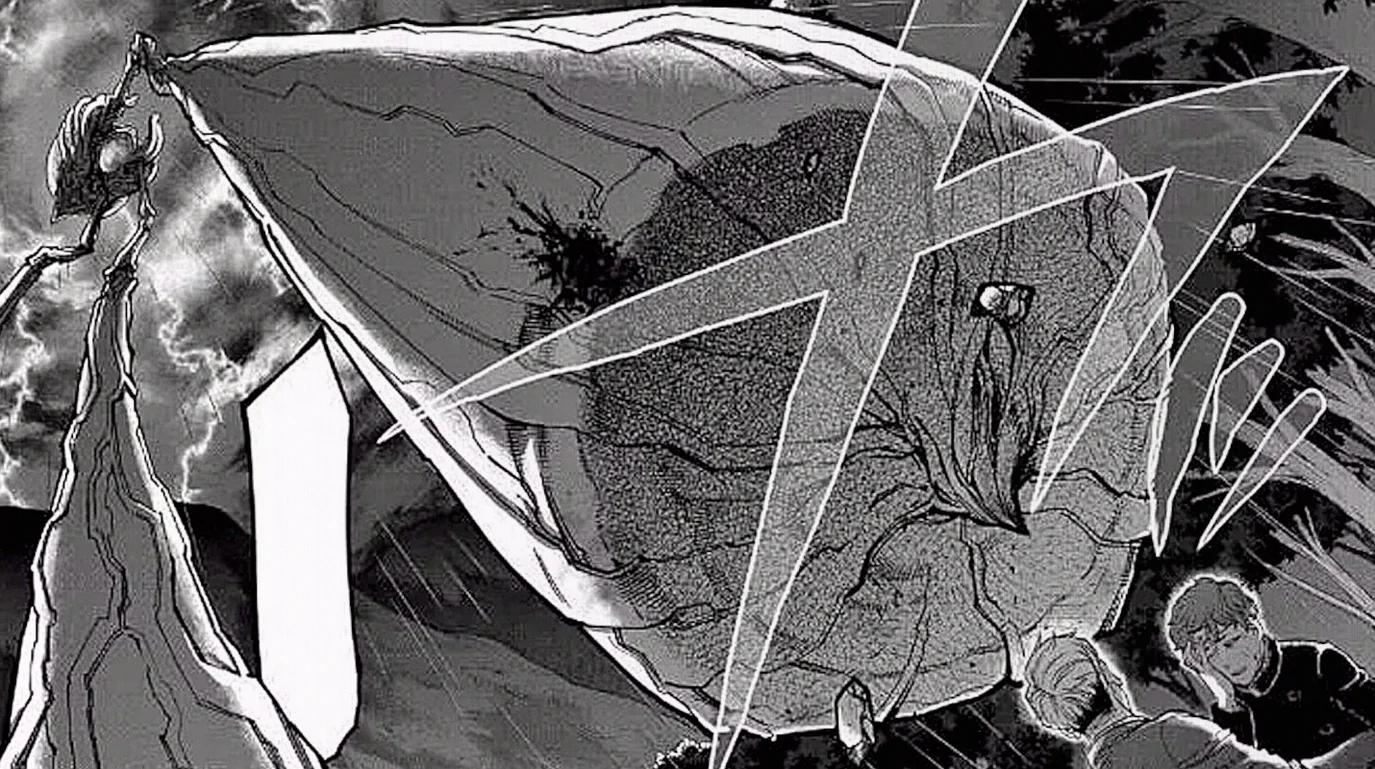
Beyond plot accuracy, the edition emphasizes the alien technology through striking visuals. Yokoshima’s artifact designs are said to reflect influences from his cosmic horror experience, and the story makes extensive use of dramatic splash pages meant to hit hard visually. The creators acknowledge that limited graphic references for Victorian-era England forced them to lean on imagination in many moments, and they admit they prioritized visual impact over historical exactness whenever the two conflicted.
The manga also tweaks character function to increase immediacy. In Wells’ original, the protagonist largely operates as an observer of events, while the manga gives him a more active role by making him a photographer. The adjustment is framed as small but effective, turning the character into a more direct lens for the horror of the invasion and helping the reader feel closer to what’s unfolding.
As the story progresses, the adaptation grows darker. The authors describe a shift where the early pages feature cleaner, more orderly drawing, while the later chapters move toward a rougher, more shadow-heavy line that reinforces the mood of desperation. They also stress that the work begins like classic science fiction and becomes increasingly grim as it goes.
Yokoshima’s background is positioned as essential to understanding the final effect. Over more than two decades, he has explored the boundary between science fiction and horror, including work on titles such as Outsider and other reinterpretations connected to Lovecraft’s universe. His standing in Japan and abroad is noted through recognition that includes an individual exhibition of original works at the Angoulême International Comics Festival in 2025.
Even while the adaptation respects Wells’ text closely, the staging and visual treatment are presented as amplifying the novel’s terror. The Martians are framed not only as an invading force but as near-nightmare entities, reinforcing the shared sense of human insignificance that both Wells and Lovecraft are associated with.
The War of the Worlds by Hitotsu Yokoshima is scheduled for release on May 20, 2026. The hardback edition—listed as a hardcover without dust jacket (cartoné)—runs 544 pages, published by Planeta Cómic. The ISBN is 979-13-87779-94-8.
In short, this manga is positioned as a translation that rejects the adventure tone found in some other versions in favor of embracing the full horror of Wells’ invasion narrative—supported by visuals intended to be as unsettling as they are impressive.