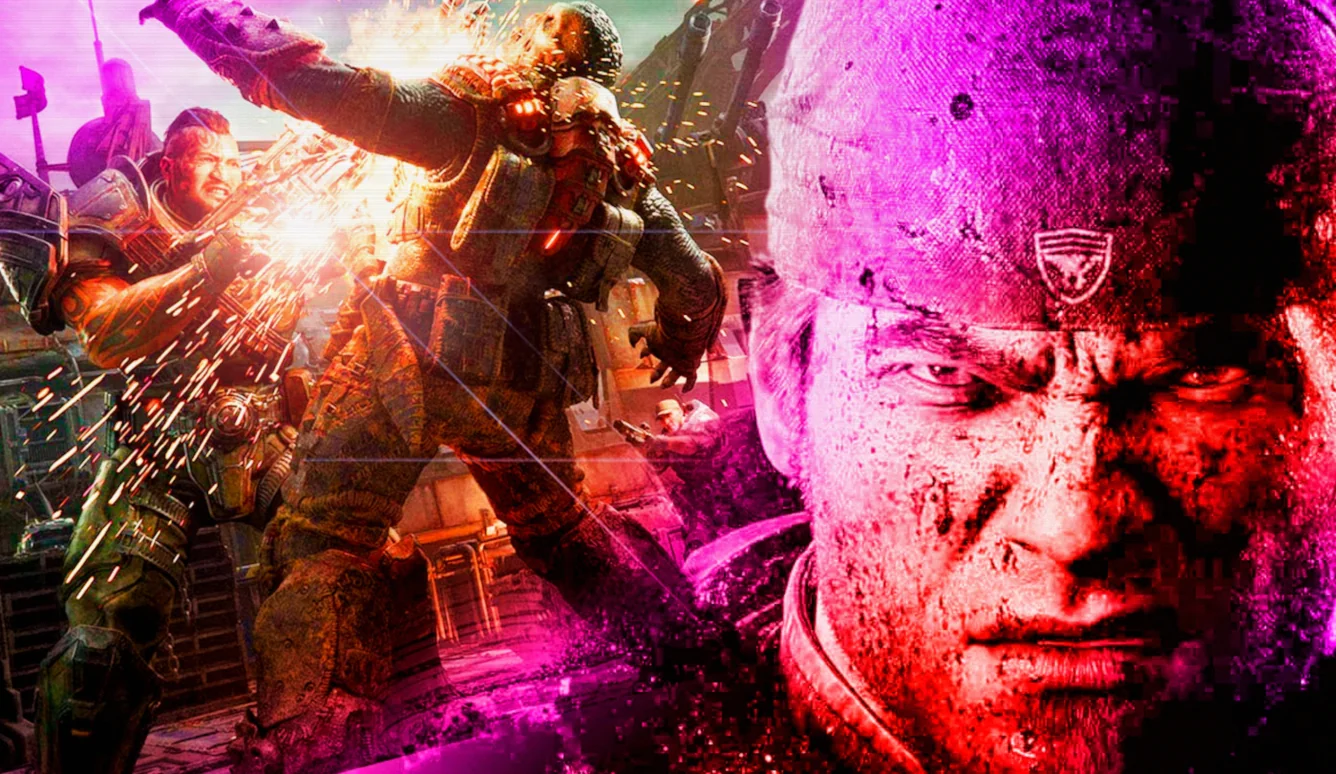
Rebel Wolves’ The Blood of Dawnwalker First Impressions: Vampire Day/Night RPG
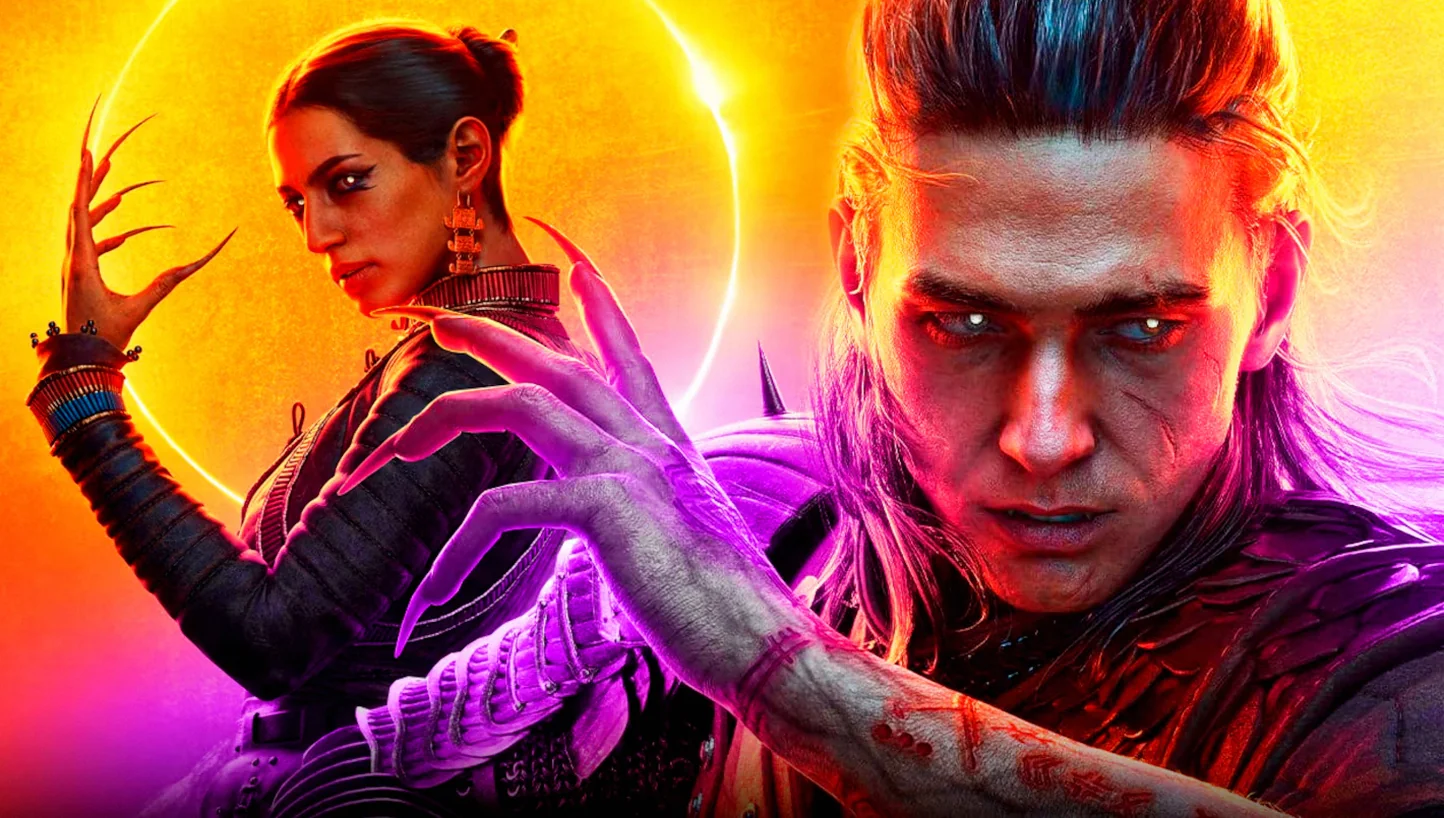
After years of CD Projekt talent coalescing into new studios, Rebel Wolves is ready to prove it can build a blockbuster RPG of its own. Its debut project, The Blood of Dawnwalker, is set to arrive with a medieval-fantasy premise, a story-driven “narrative sandbox,” and a day/night vampire system that fundamentally reshapes how you play.
Quick facts
- Developer: Rebel Wolves, led by former CD Projekt staff including Konrad Tomaszkiewicz
- Game genre: action RPG with heavy emphasis on narrative
- Setting: a fictional valley in the Carpathian Mountains inspired by medieval Europe in the 1300s
- Key timeline: 30 days and 30 nights to rescue the protagonist’s family
- Core mechanic: vampire abilities activate with the night, while daytime keeps you human
- Combat note: early concerns about combat feel have been improved in the latest build
- Release date: 3 September on PC, PS5, and Xbox Series X|S
The Blood of Dawnwalker has already drawn comparisons to The Witcher 3, and not just because of vibe. Konrad Tomaszkiewicz directs the project, and roughly 160 people at Rebel Wolves previously worked on CD Projekt projects such as The Witcher 3 and Cyberpunk 2077. Early trailers and gameplay made the resemblance seem obvious—down to UI and menu similarities—and the RPG’s emphasis on story is clear from the moment you start playing.
Vampire politics in a plague-free Carpathian valley
The story unfolds in the valley of Sangora, a fictional region deep within the Carpathian Mountains. Humans live alongside supernatural creatures in a morally ambiguous world where the boundary between good and evil isn’t fixed. The area is presented as a refuge that vampires have carved out of hardship from the era, including the Black Plague and other feudal horrors.
That bargain comes with a condition: the vampires demand a blood donation in every Sunday mass, held at midnight. Unsurprisingly, not everyone agrees to the arrangement. A conflict between the vampire clan and the people around the protagonist is set in motion, and it ends with Coen’s family being taken and Coen himself being turned.
From there, the game frames its horror and fantasy elements—legends, magic, and monsters—around more grounded questions about what it means to be human. Rebel Wolves says it wanted to explore “very real issues,” emphasizing debates and reflections that exist even before vampires arrive. The result, based on the playable preview, is described as a layered, complex narrative.
Decisions that can kill, save, or reshape entire towns
Rebel Wolves’ creative director, Mateusz Tomaszkiewicz, positions The Blood of Dawnwalker as a “narrative sandbox” built to maximize player freedom without sacrificing story quality. In practice, the game is packed with choices, consequences, and branching outcomes rather than treating freedom as cosmetic.
One early example involves a confrontation with the game’s villain during the prologue. It’s extremely difficult, but you can kill the villain immediately, which the preview describes as completely changing the adventure. The title also allows you to go toward the ending when you want—though the preview emphasizes that attempting it unprepared makes things far harder.
The most striking case shown early is tied to the first mission: visiting a village apothecary so the protagonist’s mother can receive a prescription for a mysterious illness. You can decide when to obtain the medicine and how you handle the interactions, affecting price based on how you respond to the herbalist. Then, after returning home, a cinematic sequence forces you to make the remedy using multiple options and precise steps. If you don’t follow the instructions correctly, your mother dies—even during what is framed as an “insignificant” mission.
That same preview experience highlights a broader message: whether your family, partner, and friends live or die can hinge on your choices. The game also promises multiple endings, along with the ability to save or condemn entire towns through your actions.
Time as a resource: 30 days, not a loop
Two standout differentiators in The Blood of Dawnwalker are time and vampirism. The story gives you a total of 30 days to rescue your family, with the preview describing this as a month-long window for exploring, gathering information, weakening enemy forces, and strengthening yourself. Importantly, Rebel Wolves says this is not a time-loop structure like Majora’s Mask or The Outer Wilds; when time runs out, it’s over. However, the 30-day window isn’t framed as the literal end in every sense—changes happen to the world and story as the deadline approaches.
The game also avoids the feeling of an unavoidable countdown like Dead Rising or Pathologic. In the preview, time only advances when you take actions that consume it; if you explore too long, time will still eventually move, but simply stopping to look around or leaving the controller alone without progressing won’t make the clock tick forward. The preview compares the structure to Persona and Fallout, where time functions as a strategic resource.
Most missions spend time, but so do simpler activities like learning skills or “lingering” with a romantic interest. The preview even frames it in practical terms: if a sibling asks to go fishing, you have to decide whether the hours matter more than the relationship.
Rebel Wolves also claims there’s not enough danger to miss the ending entirely. If days are running out, you can stop exploring and go straight for the main objective. Even so, it will be difficult to see everything before the 30 days expire. In internal playtests, the developer says they typically complete around 80% of the content before the deadline—while still leveraging branching consequences as a reason for a second run.
Daytime humanity vs. night vampire power
The vampirism system is positioned as the other defining pillar. The preview clarifies that it’s not just 30 days—there are 30 nights too, and the game changes between the two. While the sun is up, you act as a normal human: you ride horses, carry a sword, use a few spells, and interact with NPCs as if nothing supernatural is happening.
When the moon rises, you transform into a vampire. You must feed, fight with your claws, and even leave your horse behind to become a wolf for faster travel. Other characters fear you, and the bigger threats emerge from caves. The vampire toolkit includes short-range teleportation “like a specter or a bat,” plus wall- and ceiling-walking that the preview compares to Spider-Man-style traversal.
The preview also stresses how varied the vampire experience feels, with more vampire-themed details than you’d expect. It includes cracking familiar myths—such as the classic idea that you can’t enter a home unless invited—and even allows “vegan vampires” who feed only on animal blood rather than humans. Healing doesn’t come from potions in the same way; instead, your survival depends on hemoglobin and managing hunger.
There are also moments where your impulses break through. The preview reports that the protagonist can lose control mid-dialogue and kill an allied NPC, describing it as hilarious but also problematic for completing certain missions.
Alongside this freedom to “do evil,” the game uses a reputation system. The better vampire you are, the more powers tied to being “lord of the night” you unlock—and the more people fear you. But that power comes with infamy: your reputation reaches your arch-nemesis, and each day you wake up to palace proclamations denouncing you. The consequences include being hunted, declared unwelcome in certain areas, and having missions change based on your status.
Combat expectations reassessed after early play
Combat was one of the biggest concerns when people first saw The Blood of Dawnwalker. The fear was that it might follow The Witcher 3 too closely—especially given how some earlier systems were seen as imprecise. In that context, the preview notes that Geralt’s combat relied on hitboxes without the kind of tight responsiveness players might want, with animations changing based on each strike in ways that made it harder to predict outcomes when enemies attacked simultaneously.
After multiple hours in the newest build, the preview says to “breathe easy,” claiming Rebel Wolves has polished many of those earlier missteps. The menus and skill wheels are still described as familiar, but the overall feel is presented as more solid. The game also supports both traditional combat and directional combat. Directional combat adds an extra layer to blocking and parrying by combining guard timing with the direction of incoming attacks, guided by indicators that can be turned off once you understand the system.
Even if combat isn’t described as the single most memorable feature, the preview says it doesn’t look like a barrier to enjoying the title. The same goes for the broader world: the team is also building the kinds of discoveries, dynamic events, and side stories that demand attention without labeling them too neatly. Rebel Wolves says there’s no strict division between “side” and “main” stories, and that almost any NPC request can grow into a larger narrative chain.
Skills, exploration, and a familiar-but-reimagined structure
The skills system is described as vast, with the preview noting there’s enough depth that the team didn’t even scratch the surface. Progression includes improvements for three angles: vampiric abilities, human traits, and spellcasting. The preview highlights a power that burns enemies from within by igniting their blood.
There’s also a menu concept compared to Assassin’s Creed’s Order system—except here it’s built to gather clues about the generals connected to the main villain’s retinue. Removing those threats before the final battle is presented as an optional way to make the endgame easier, with different methods for handling them.
Unreal Engine 5 visuals and strong Spanish localization
Graphically, The Blood of Dawnwalker is presented as another Unreal Engine 5 showcase. The preview highlights bright lighting, dense forests, expressive characters, standout effects, and “deliciously gory” animation work. While the visuals are praised overall, the preview specifically says the animations are the main area that “chimes” differently than expected.
The soundtrack is described as medieval in tone, and the Spanish voice work is singled out as a major strength, with the preview calling out impressive dubbing and noting the presence of popular Spanish songs that help deliver moments of levity. The sheer amount of text in a game of this scale also raises questions about the effort behind other localizations, but the preview frames the Spanish localization as exceptional.
Preview verdict and release platforms
The playable prologue and first three hours—available through Bandai Namco and Rebel Wolves—left the preview describing the opening as among the best of the year. The Witcher 3 similarities are considered obvious and expected given shared teams, but the preview also argues the game is finding ways to spend its own personality rather than only repeating what came before.
The time mechanic and vampire transformations are highlighted as especially compelling, while the narrative is framed as offering far more decision-making and consequence than is typical. With the full world yet to be explored and combat still something the preview wants to see develop further, the overall impression remains that The Blood of Dawnwalker could be a major RPG contender.
The Blood of Dawnwalker launches on 3 September for PC, PlayStation 5, and Xbox Series X|S, developed by Rebel Wolves and published by Bandai Namco Entertainment.