MTG Standard Nears a Breaking Point as Best Decks Dominate—Can It Be Fixed?
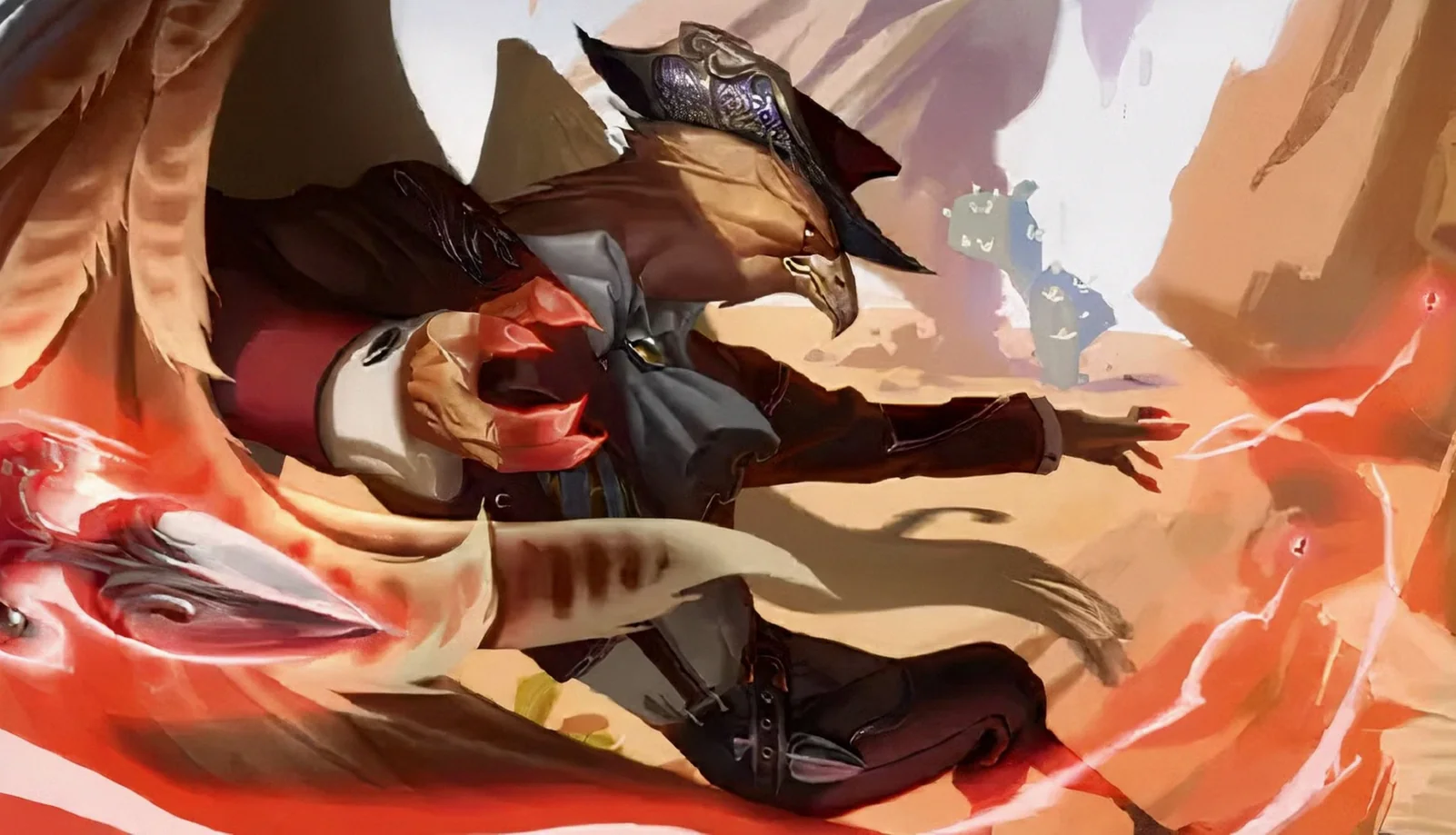
Standard in Magic: The Gathering is approaching a breaking point, with competitive play increasingly dominated by a narrow set of deck archetypes powered by unusually strong cards. Wizards of the Coast had an opening to address the issue in its most recent ban and restriction update, but chose not to, leaving many players worried the format won’t be meaningfully stabilized until the next rotation in early 2027.
The “Fix” Still Isn’t Proven
The most recent Standard bans happened in November 2025, shortly after the release of the Final Fantasy Universes Beyond set. Three cards were put on the ban list, and while the removals were considered reasonable, the banned cards only had a short window to influence the metagame. That makes their effect feel small compared to what players have been dealing with for roughly the last eight months.
Izzet Prowess has been the defining force at the last World Championship, and if nothing changes, it’s expected to show up again by the end of the year. Outside of that archetype, very few decks are consistently putting up results. The problem is that even if the deck is clearly oppressive, it can be difficult to isolate the exact cards responsible—making it harder to pinpoint what should be banned to shut it down. The deck has also shifted its identity significantly over time, moving from a heavy reliance on Monument to Endurance to versions that often don’t include the card at all.
Stormchaser’s Talent is especially problematic when it hits the battlefield on turn one, particularly if players can bounce it repeatedly while developing their mana before upgrading it. Once leveled, it can return spells to a player’s hand, or it can snowball into an “Otter army” by generating pressure as non-creature spells are cast. Still, it’s not obvious that this single card deserves a ban outright. That kind of uncertainty is a common trigger for “witch hunts,” where the community fixates on one card thought to be the culprit, while other cards that simply work well together get unfairly targeted.
Even so, there are definitely cards in certain archetypes that look ban-worthy on their own. Badgermole Cub is one example that keeps coming up. It can be constructed in multiple ways, but the card itself is generally the issue rather than the surrounding shell it encourages. As a two-mana creature, it can “Earthbend” for 1—turning a land into a 1/1 creature. From there, Badgermole Cub can tap that land and any additional mana producers to generate whatever mana they normally make, plus one extra green mana. In practice, that amplifies the output of cards like Llanowar Elves and Earthbend lands.
(For clarity, “mana dork” is a term used for a creature that produces mana.)
A typical opening for many current Simic strategies looks like this: Llanowar Elves on turn one, then Badgercub Mole on turn two, choosing a dual land as the Earthbend target. That line can set up at least five mana by the start of turn three, allowing the deck to begin curving into high-impact plays like Ouroboroid ahead of schedule. Plenty of players believe Badgermole Cub should be banned, yet it’s not always the centerpiece that people—myself included—think is the true reason Standard feels broken. That raises the question: where does it all actually add up?
The core argument is that Standard has ended up in this state because the format’s legal card pool has become inflated, alongside the repeated addition of high-powered cards with each new Standard set. The pool feels overflowing, and Wizards keeps feeding it every few months. Something has to give.
Brawl is drawing the most attention in this latest wave of MTG bans, even as Standard keeps getting overlooked despite ongoing calls for targeted changes.
Accept Short-Term Pain to Reduce the Card Pool
Right now, Standard includes 17 active sets, and that number is expected to rise to 20 by the next rotation in early 2027. The MTG Card Database lists 4,981 legal cards in Standard, and the total should clear 5,000 once additional sets arrive in 2026, including The Hobbit, Star Trek, and Reality Fracture.
Under the older block-based release approach, the format was much easier to keep under control. There would typically never be more than about eight to ten legal sets at once, because a block of sets would rotate out as a new one launched.
The result was a more manageable environment overall. The game also felt more grounded in the specific lore tied to the “planes” being visited, and it was generally simpler for new players to get into. Today, new players often run into “brick walls” like Izzet Prowess—either ruining their enjoyment of the format or convincing them that it’s the only deck worth playing, which then intensifies the same problem further.
Of course, this makes the solution sound simpler than it really is. Universes Beyond cards being Standard-legal, plus the fact that at least six new sets arrive each year, all contribute to the growing pool. Even if Wizards of the Coast trimmed Standard back to its earlier structure starting tomorrow, it would still likely take at least 18 months of slower rotation schedules to bring the format to something closer to a two-year rotation instead of the current three-year model.
Newsletter pitch: a clear Standard fix
The other alternative would be to ship fewer products. The article’s stance is that this is unlikely—especially considering the current scale of the business, which is described as a $2 billion operation that continues growing, based on Q1 2026 financial results.
Whether a smaller Standard card pool actually works will probably be most obvious when the early-2027 rotation arrives. Seven sets are scheduled to rotate out after the first premier set releases, which is expected to remove more than 1,000 cards from the format—many tied directly to important deck archetypes.
- Wilds of Eldraine
- Bloomburrow
- Murders at Karlov Manor
- Duskmourn: House of Horror
- The Big Score
- Outlaws of Thunder Junction
- The Lost Caverns of Ixalan
If Standard improves significantly after that rotation, Wizards will need to take advantage of the moment and seriously consider broad changes to how the rotation works. If it doesn’t, then the approach will likely need to become harsher: more immediate, more aggressive ban actions, including removing Badgermole Cub and any similarly powerful cards from the format right away.
The longer this situation continues, the more players are likely to feel pushed out or alienated. While it makes sense that major sweeping adjustments may not happen until the next set rotation, some kind of action is still necessary in the meantime. Casual statements about Standard “success” and “thriving” paired with each ban announcement have started to become memes—seen as a coping mechanism for players who just want to play the competitive format they know and enjoy.