How Antiguoko K.E. Helped Shape Arteta, Emery, Iraola and Alonso
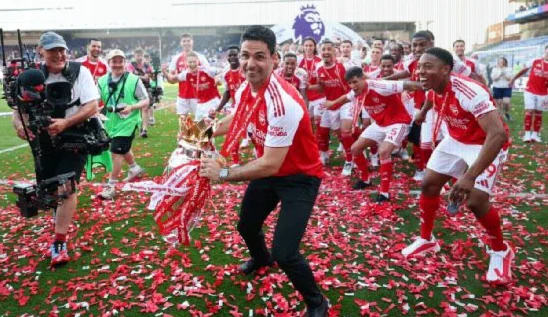
Four leading English clubs enter the season with managers shaped by the same small amateur side on Spain’s Bay of Biscay coast. Mikel Arteta, Unai Emery, Andoni Iraola and Xabi Alonso all emerged from the football culture of Gipuzkoa, with Antiguoko K.E. a formative club in the stories of Arteta, Iraola and Alonso.
They now bring that shared background into the Premier League and European competition after major achievements across the game. Arteta ended Arsenal’s 22-year wait for a Premier League title, Emery has delivered success with Sevilla and Aston Villa, Iraola led Bournemouth to their first UEFA qualification, and Alonso guided Bayer Leverkusen to the club’s only Bundesliga crown.
Quick facts
- Arteta, Alonso and Iraola developed in and around San Sebastián, often under the same local coaches.
- Antiguoko was part of Iraola’s playing upbringing and his first steps in coaching.
- Alonso and Arteta won their first trophy together in an Antiguoko tournament as teenagers.
- Gipuzkoa’s youth model asks children to play several sports before specialising in football from the age of 10 or later.
- The regional culture places strong value on qualified youth coaches, community responsibility and collective development.
The Basque influence extends beyond England. Spain’s European and world-title-winning side is led by Luis de la Fuente, while Luis Enrique has overseen Paris Saint-Germain’s Champions League success. Emery and Arteta, meanwhile, grew up only a short distance apart in San Sebastián.
For Iraola, the region’s coaching output is rooted in football’s place within local life. He has said that the attention comes because a comparatively small area has an exceptionally strong football culture.
Arteta has offered a similarly direct explanation, citing the passion of Basque football people and the education they receive. That education is not confined to the pitch.
A multi-sport beginning
Young players in Gipuzkoa are encouraged to remain involved in basketball, handball, volleyball and other activities before committing solely to football. The principle is that different sports develop different physical, spatial and social skills, while exposing children to a wider range of ideas and teammates.
There is also a deliberate focus on the adults guiding them. Youth coaches are expected to gain strong qualifications, work within a common framework and hold a respected place in the community.
Manu Diaz, president of the Guipúzcoa Football Federation, has linked the number of coaches to a regional instinct to contribute. Young people, he said, anticipate turning 16 so they can begin coaching qualifications, and early experience of functioning within a large group can later help them become leaders.
Diaz described the underlying principle with the Basque word Auzolan: neighbourly cooperation and working together. Rather than a single tactical school, he sees a shared approach to life and collective responsibility.
Football on San Sebastián’s beaches
That local cooperation is visible on La Concha and Ondarreta, the two main beaches in San Sebastián. When the tide permits, families, coaches and young players lay out numerous junior pitches on the hard sand, bring out stored goals and stage matches for boys and girls across age groups.
The process itself demands coordination. Lines are marked by hand and the temporary fields must be assembled quickly before the sea returns, creating a setting in which football and community work are inseparable.
Alonso has recalled sharing those days with Arteta in their neighbourhood. The pair would head to the beach on skateboards to play tennis, surf and, above all, football.
Antiguoko describes itself as a modest neighbourhood institution with an influence beyond its resources. Its method combines work ethic, tactical understanding, interpretation of the game and collective commitment, while treating personal development as seriously as football development.
The person before the player
Alonso was among the authors of Real Sociedad’s 2021 development manual, Made In Gipuzkoa. Its central idea is that the individual matters before the prospective professional footballer.
The manual places the child at the centre whether their eventual future lies in football or another profession. It calls for coaches to accompany, guide and educate young people through a stable environment built on trust and patience.
That philosophy will sit behind a season in which Arteta, Emery, Iraola and Alonso compete for English and European honours. Their clubs may be rivals, but their development was shaped by many of the same values: close community ties, disciplined coaching and a belief that football education begins with the person.