Cities: Skylines 2 Gets Iceflake Overhaul for Smarter Waste Collection
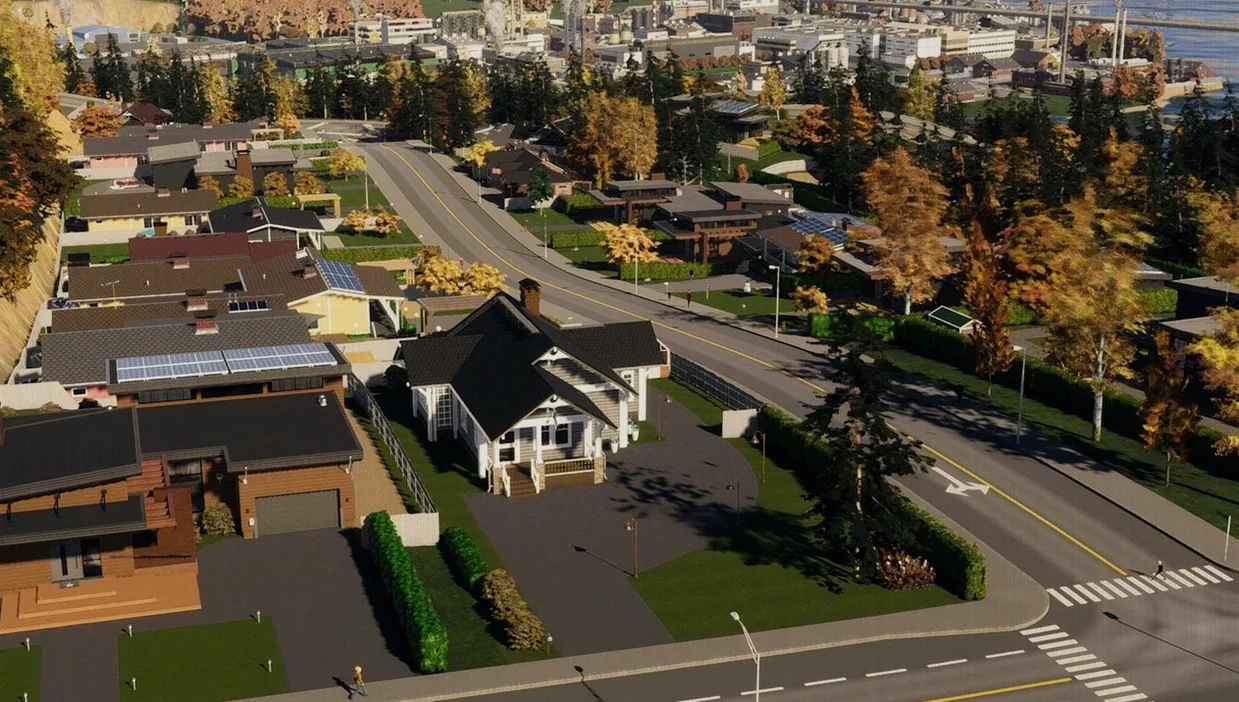
Iceflake Studios has continued its work on Cities: Skylines 2 since taking over development from Colossal Order, and the most recent update roadmap is aimed at a clear target: making the city simulation behave more like a system that understands the people inside it. Rather than only adding new content, the studio is reworking several “day-to-day” mechanics—waste collection, housing demand, household finances, and how businesses decide where to operate—while also delivering a handful of visual improvements. For players who have been waiting for the game’s systems to feel coherent, this is a shift toward fixes that directly affect day-to-day gameplay.
Why the simulation changes matter more than another content drop
The update’s biggest implications are tied to how Cities: Skylines 2 models civic needs and economic reality. The goal is less about cosmetic polish and more about reducing the moments where the simulation appears to “ignore” what’s happening in your city.
- Garbage trucks will reserve capacity for the intended destination, instead of collecting small amounts from buildings along the route that don’t require urgent action.
- Waste collection behavior will change so low-accumulation buildings get ignored during the trip, preventing vehicles from filling up before they reach the real problem.
- Housing demand calculations will factor in city scale and empty housing units, addressing how demand previously dropped sharply in very large metropolitan builds.
- Household purchasing and satisfaction will shift from “wealth” to income, aiming to better reflect what residents can actually afford as their finances fluctuate.
Taken together, these are the types of systemic adjustments that players feel immediately: fewer “random” breakdowns in city services, more stable demand patterns, and economic decisions that better match what you’re building and how residents are earning and spending.
A city economy that prioritizes what’s actually needed
Beyond services and residential pressure, Iceflake is also changing how the commercial layer of the economy behaves. The update will adjust company leasing so that businesses producing resources your city needs at the moment get priority, while other enterprises must wait their turn.
The practical outcome the studio is aiming for is a more believable neighborhood mix: when you create new zones, you should see businesses that are more directly useful for the local economy appear more often, with demand bars that respond correctly to changing conditions. Just as importantly, the studio frames this shift as a foundation for further improvements to resource-economy logic, suggesting these aren’t isolated tweaks but part of a longer chain of economic rework.
Visual upgrades: terrain detail, tree LOD, and more accurate lighting
The update also includes targeted rendering improvements. It’s not framed as a full graphical overhaul, but it does address specific areas where distance visuals and lighting can break immersion or readability.
- Waterway Pass and Lakeland will receive new terrain texture details, updating how those maps look.
- Tree LOD models will be improved, with the intent that trees at longer distances won’t appear missing branches or like leaves are floating.
- Surface rendering will be adjusted, so lighting and shadows account for the actual shape of the terrain—helping emphasize hills, slopes, and uneven ground.
In addition, the studio is working on a new window look, including matte and non-transparent glass. There’s also an expectation of a small performance improvement when rendering large numbers of windows, which matters in dense cities where details can become expensive.
Community reaction: players increasingly see momentum
Iceflake’s continued revisions have been met with growing approval from the player base. In the message that accompanied this update discussion, the studio thanked players for their engagement and highlighted appreciation for the community’s investment in the project. The response from fans reflected that the direction and pace of fixes are starting to land.
Comments included praise for the ongoing work, with some players suggesting the current state of the game is approaching or surpassing expectations—going so far as to compare the base version of CS2 favorably to CS1 without DLC. Others focused on the speed of changes and the sense that issues raised by the community are being actively addressed. One particularly notable sentiment summarized the mood for many: faith that the game can still be “saved” through continued updates.
For players, the significance isn’t just that patches are arriving—it’s that multiple core systems are being re-aligned. When waste behavior, housing demand, household decision-making, and business leasing all get corrected together, it increases the odds that the simulation will feel consistent rather than contradictory. And when that consistency improves, community feedback naturally shifts from criticism to recognition.