Japan’s Anime Boom Hits Animator Shortage as Low Pay and Harsh Schedules Bite
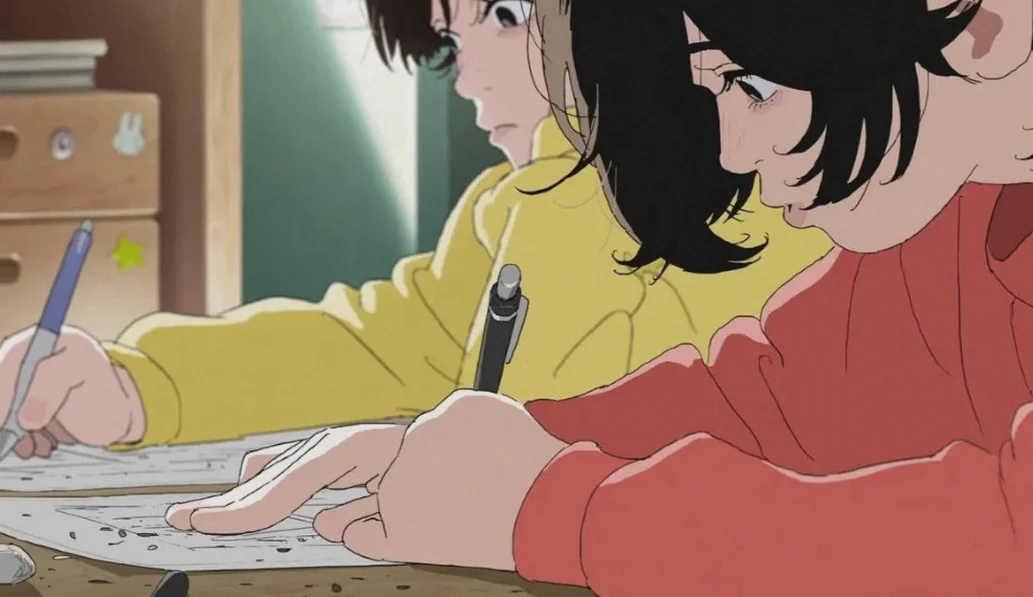
Anime are more popular than ever worldwide, but Japan’s production pipeline is struggling to keep up with demand due to a growing shortage of animators—an issue tied to how the industry changed decades ago, and worsened by low pay, limited training, and punishing schedules. As more series get made each year and international streaming keeps expanding, studios are reportedly already booking talent needs years in advance.
Demand is surging, but staffing isn’t
Over the last decade, the anime market has nearly tripled, reaching roughly $19 billion. In 2024, production reportedly saw sales rise by 23% year-over-year to about $2 billion total. International momentum has played a major part in that growth:
- Between 2012 and 2022, overseas revenue increased sixfold.
- Crunchyroll subscribers grew from 3 million in 2020 to 21 million.
But the production side is straining. The number of TV anime series airing annually has jumped from just over 100 in the early 2000s to well above 300 in recent years. Despite that output increase, animator headcount has not risen at the same pace: estimates place the workforce at about 4,500 in 2010, with today’s figure estimated between 5,000 and 6,000. Additionally, the most in-demand studios reportedly have schedules booked out three to five years.
How the training system unraveled
The current shortage is described as having roots in the 1970s, when the apprenticeship model—where experienced animators trained newcomers—began to fade. After the collapse of Mushi Production, culminating in bankruptcy in 1973, the industry shifted toward contract work and piece-rate pay, breaking production into smaller steps handled by smaller studios and even overseas companies.
This approach helped cut costs and speed up delivery, but it also contributed to fragmentation and the loss of a structured in-house training pathway. A survey by the Nippon anime and film culture association (Nafca) says:
- Only one animator in five receives on-the-job training.
- Most young professionals instead learn independently using manuals and online tutorials.
Low pay and harsh work conditions are driving attrition
Financial pressure is a key factor in why new talent doesn’t stick around. Nafca estimates that among employees under 30:
- Two-thirds earn less than about €1,140 per month.
- Pay tends to rise much more significantly only in later age brackets.
Those economic realities, paired with gaps in training, are linked to rapid turnover. Japan Research Institute estimates that:
- 25% of animators leave the industry within four years.
- 66% leave within eight years.
Working conditions remain another sticking point. In 2020, reports circulated about extremely long shifts. A 2023 report from the Japanese Animation Creators Association (Janica) says about:
- One quarter of workers have four or fewer days off per month.
- They also reported depression or other mental health issues.
Alternative studios, training programs, and AI enter the debate
Some creators are trying to build different models that reduce friction for talent and preserve creative control. Director Kiyotaka Oshiyama—known for work such as Devilman Crybaby and Chainsaw Man—founded Studio Durian in 2017. Its first feature, Look Back, was reportedly produced by a team of just eight people, aiming to leave more room for individual creative decisions.
Another example is Flat Studio, founded in 2019 by Ryu Ishii. The studio reportedly uses collective discussion among its members for creative decisions. Its credits include several short works such as Tentai Kansoku, as well as the mid-length Summer Ghost.
Training pipelines are being rebuilt
Training is also returning to the center of efforts to address the shortage. In 2020, former Studio Ghibli animator Hitomi Tateno (also associated with Howl’s Moving Castle and Ponyo) co-founded Sasayuri Academy with producer Torahiko Arimura. The school offers an intensive six-month course for young animators. The reported results:
- More than 300 professionals have completed the program.
- Almost all of them stayed in the animation industry.
Bandai Namco Filmworks has also been creating internal training. One participant highlighted is Mizuki Endo from Kanagawa, who was reportedly working at a supermarket while studying independently. After a year of apprenticeship, Endo was hired full-time. The report claims that the company had only seven animators at the time, and now has 41.
AI appears in anime production discussions
The conversation is also expanding to include artificial intelligence. Hakubun Ito, described as a pioneer in anime CGI, presented in 2025 what’s claimed to be the first AI-produced anime broadcast on Japanese television. Traditional animators cited in the discussion reportedly say the technology is currently most effective for backgrounds and landscape elements.
Still, skepticism remains. Concerns include the fear that AI systems could be trained on artists’ work without appropriate compensation. Some professionals see potential uses earlier in the workflow—such as for conceptual stages and preliminary material—while avoiding AI-generated contributions to the final output.
For Japan’s anime industry, the core challenge remains the same: growing and maintaining a new generation of animators. With demand continuing to rise and international audiences expanding, the sector will need a sustainable way to support the people who actually produce anime—while protecting the human creative contribution that defines the medium.