Goro Miyazaki and CEO Kenichi Yoda Address Studio Ghibli’s AI and Next Steps
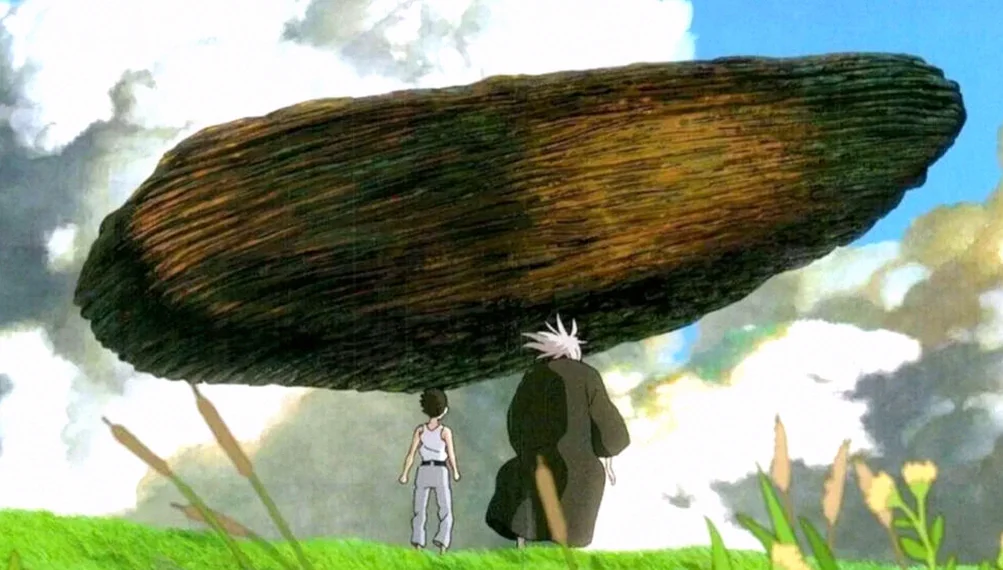
Studio Ghibli is operating without a publicly announced next project, even as its leadership insists the company is stable, creative-minded, and not trying to turn itself into a franchise factory. Reporters visited the studio’s Tokyo-area headquarters and spoke with Goro Miyazaki and the company’s new president and CEO, Kenichi Yoda, uncovering how the studio is handling uncertainty around Hayao Miyazaki’s future and the broader shift toward newer production tools.
No next film announced, no rush to force one
More than two and a half years after the Oscar-winning film The Boy and the Heron released, Studio Ghibli has not announced any additional feature. In the interview, Yoda said the studio’s founders were never especially interested in market research, courting investors, or aligning to release calendars. The approach, he explained, is to wait for the right idea rather than push a production just to fill a schedule.
Yoda also addressed concerns that the studio could be reorganized around franchise expansion. He said Nippon TV has no intention of reshaping Ghibli into a “franchise factory,” and framed the studio’s priorities as protecting what already exists rather than chasing profit above all else. His guiding line: “What matters is that nothing changes.”
Hayao Miyazaki still works daily—what he’s making remains private
Hayao Miyazaki continues to go to the studio every day despite being 85 years old. Yet even within the company, there is no public clarity on what he is currently working on.
Yoda said he has not shared his own project—if any is underway—with anyone, including Goro Miyazaki, his long-time production partner, and not with the new CEO or the studio’s investors. The result is a picture of a studio that remains active internally while keeping major creative details tightly guarded.
Looking ahead: potential external directors, but only after Miyazaki
While Miyazaki continues working, Yoda and Goro Miyazaki discussed what comes next. Yoda said Ghibli would be open to collaborating with an outside director for a future film. However, Goro set firm boundaries around that idea, stating that the likelihood of an external director stepping in while his father is still alive is “absolutely impossible.”
Yoda clarified Goro’s meaning: “No sane animation director would approach this castle” while the iconic living filmmaker still holds the role.
Generative AI: not rejected, but treated with nuance
The interview also touched on the growing use of generative AI across animation. Studio Ghibli, Yoda and Goro said, is not as dismissive of AI as outsiders may assume.
Goro referenced past controversy, including Hayao Miyazaki’s comments from roughly a decade ago calling AI an “insult to life,” and later disputes involving “Ghibli-style” images created by AI tools. But he described the studio’s stance as essentially agnostic toward the technology itself. “We’re not denying AI technology, and we don’t have a negative attitude toward it,” he said.
Instead of treating the technology as inherently off-limits, the studio’s position is centered on separating the tool from how people choose to use it. Goro even suggested that Isao Takahata—the late cofounder known for curiosity about new methods—would likely have been among the first to experiment with generative AI.
A studio built on process, not public certainty
With no announced next release, no stated timeline for what replaces Miyazaki, and no public answer for what he is making now, Studio Ghibli is leaning on long-established momentum rather than visible planning. For its leadership, the absence of immediate announcements does not appear to be treated as a crisis—at least not publicly—despite how much of the studio’s identity is tied to Miyazaki’s ongoing work.