Auto Modellista: Why Capcom’s PS2 Car Racer Still Can’t Get a Modern Release
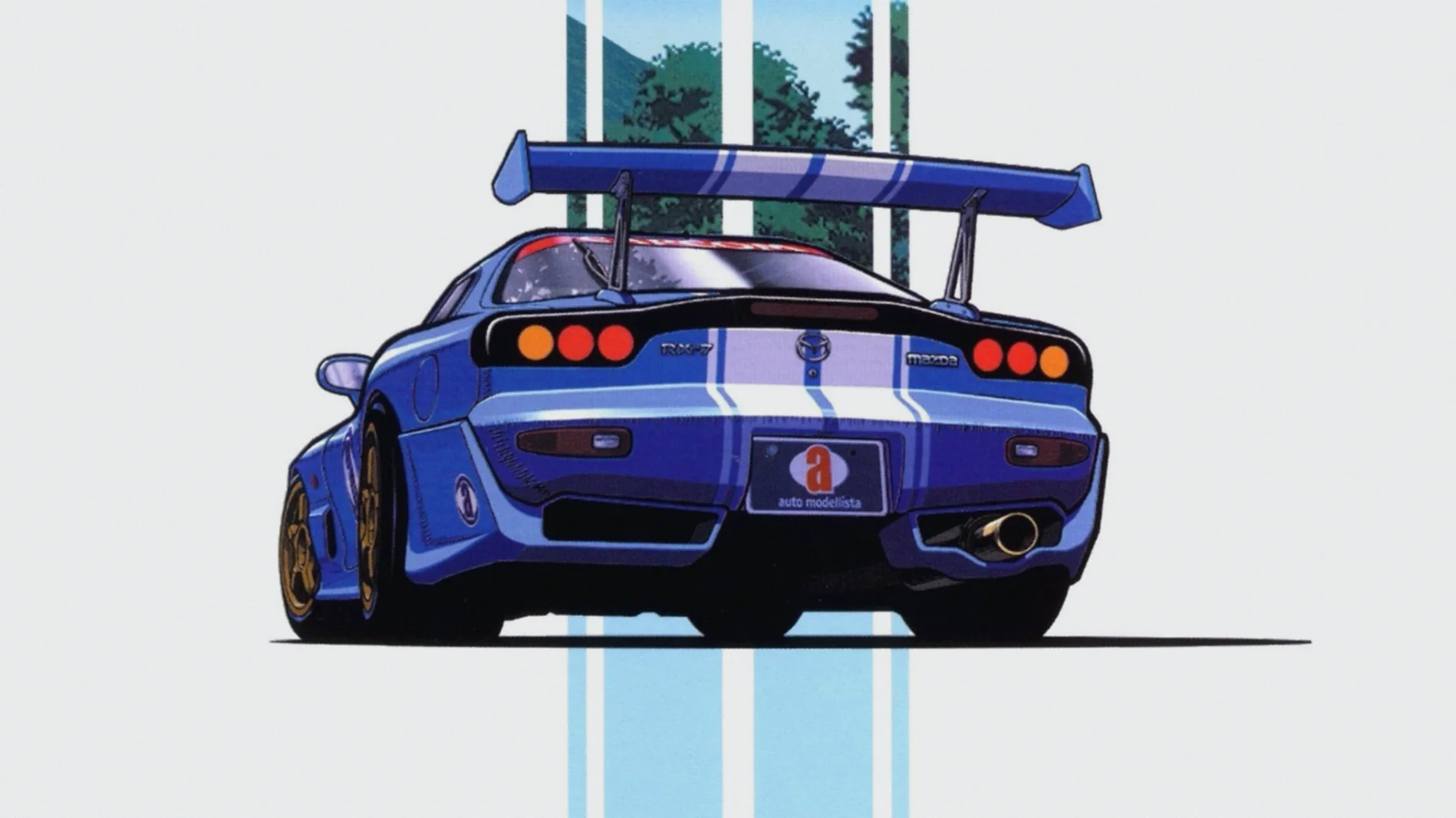
Capcom’s short-lived flirtation with racing on PlayStation 2 produced Auto Modellista—a cel-shaded spin on real-world Japanese cars that looked distinctive, tried to go online, and still struggled with content and regional execution. Nearly two decades later, it remains unavailable on modern platforms, largely due to licensing complications and its odd place in Capcom’s catalog.
A PS2 gamble built by Capcom’s fighting team
In the early 2000s, Capcom was already a major name for platformers, action, and combat-heavy franchises. Its racing output, though, was limited, and one of its most notable attempts on the genre’s biggest stage came when the PlayStation 2 era encouraged more experimentation. That effort became Auto Modellista, released in the 2002 timeframe.
Capcom tasked development to Hideaki Itsuno—who later became closely associated with Devil May Cry and Dragon’s Dogma. Before that, he was known for fighting-game work such as Rival Schools, Power Stone, and Capcom vs. SNK 2. Among the game’s other credited contributors was Ryozo Tsujimoto, who would later lead Monster Hunter, with early experience tied to series including Battle Circuit and Tech Romancer.
Visually, the game’s most memorable signature was its cel shading. Capcom wasn’t the first to use the technique in racing, but it had mostly appeared in more youth-oriented titles like Cel Damage and Looney Tunes Space Race. Auto Modellista went for a more grounded presentation—driving vehicles including a Mitsubishi Lancer Evolution, Toyota Celica, and Nissan 350Z—on recognizable locations such as Suzuka, an iconic Tokyo route, and the mountain roads of Mount Akagi popularized by Initial D.
US Tuned vs. Japan: different handling, uneven appeal
Criticism at launch focused on low content and a narrow focus on Japanese manufacturers and environments. Capcom responded with an expanded release: Auto Modellista: US Tuned. This edition added American car brands (Chevrolet, Dodge, and Ford) and introduced two oval tracks intended to evoke a Daytona-style vibe.
- European PS2 release timing: December 2002 (based on the original Japanese game)
- Direct US release timing: March 2003 (US Tuned)
- Port behavior: GameCube and Xbox versions are built on US Tuned regardless of region
But the biggest difference wasn’t just cars and tracks—it was the feel of the driving. The western US Tuned version is described as having a “floating” handling characteristic tied to reduced tire grip, resulting in slower acceleration, heavier speed loss through corners, and an overall more difficult experience. The original Japanese version, by contrast, is characterized as keeping its cars more firmly planted. Either way, the game never fully won over either arcade-style players or simulation fans.
Even when it came to longevity, the solo mode was short, described as finishing in about five hours. That limited depth left it struggling against Gran Turismo 3: A-Spec, which arrived on PS2 earlier and set the bar for mainstream racing on the platform.
Online ambition, regional limitations, and a missing modern future
Capcom also leaned on multiplayer ambitions, including a 8-player online mode. However, that feature wasn’t available on GameCube, and it was also missing from the European PS2 version. The project formed part of an initiative from Capcom Production Studio 1 to test online promises on PS2 alongside other titles such as Monster Hunter and Resident Evil Outbreak. Those other games reached the “over one million” sales target, while Auto Modellista did not.
Even with those commercial results, the game wasn’t without strengths. Players could adjust a wide range of mechanical and cosmetic settings for its vehicles, including tire types, brakes, suspension, turbo-related parts, exhaust components, onboard computer options, and weight—while accounting for weather effects. The soundtrack also received praise for its energy, credited here to Tetsuya Shibata.
A later review highlighted the art direction, the sensation of speed supported by visual effects (including a noted 60 Hz presentation), the game’s accessibility, and the breadth of customization. Still, it emphasized that the total number of courses—six—was too light for an arcade-style racing title. The review further pointed out that Europe lacked PS2 modem support at the time, meaning the online mode couldn’t be used there, leaving players to rely on split-screen two-player racing, with the AI often falling behind on tracks early in runs.
Today, Auto Modellista has become one of Capcom’s “lost” releases: licensing issues are cited as a major barrier, and it’s also described as an orphaned entry without close siblings in the company’s wider racing or compilation-friendly lineup. As a result, it has no straightforward modern re-release path—no current platform availability, and no natural packaging alongside other Capcom collections.
What to watch next
With Auto Modellista still absent from modern storefronts, the next real signal will be whether Capcom ever resolves licensing and finds a way to bundle or reissue the game. Until then, it remains a niche PS2 racing curiosity: visually distinctive, mechanically detailed for its era, but held back by regional online gaps, a short solo experience, and a content lineup too small to stand up to Gran Turismo 3.