Tom King’s Mister Miracle Hardcover Integral Coming March 26, 2026 From Panini
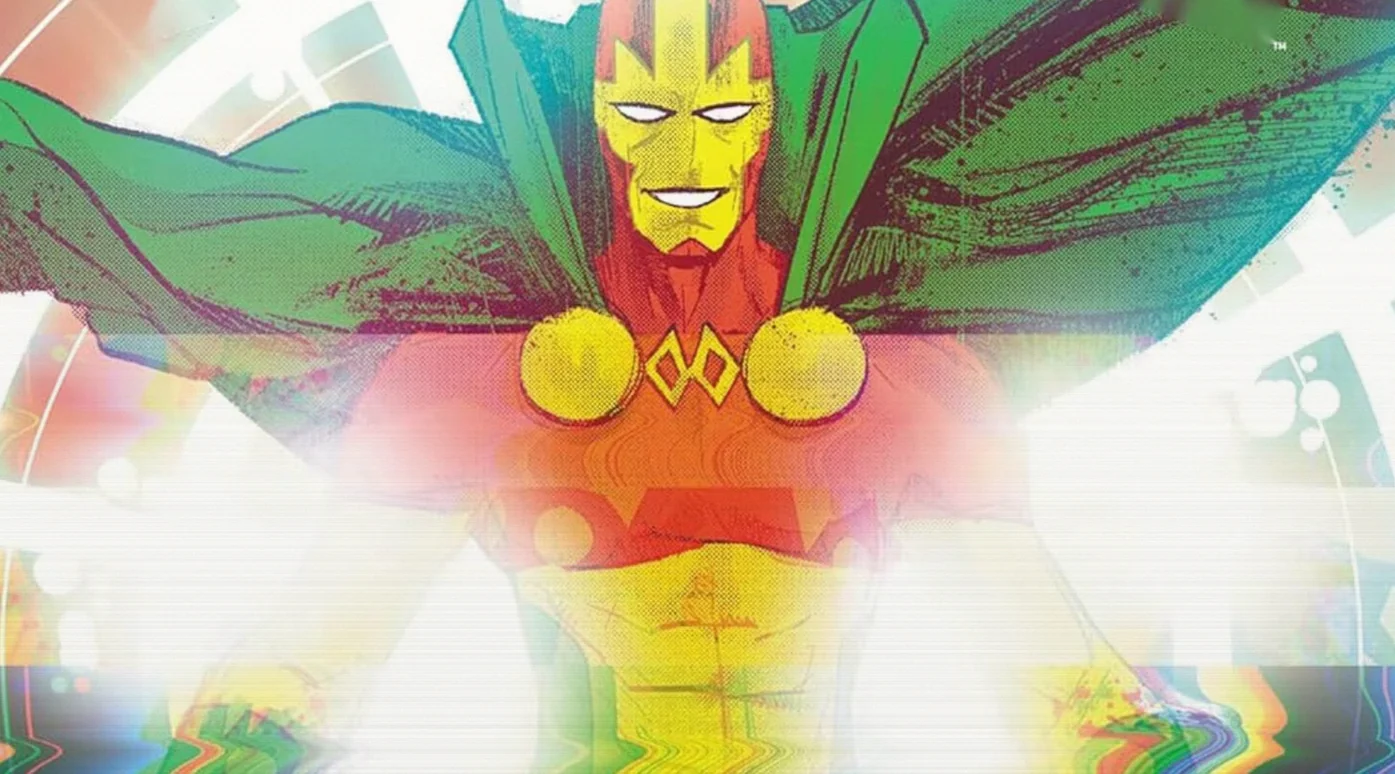
Tom King and artist Mitch Gerads are bringing one of modern DC’s most acclaimed superhero stories to a new hardcover integral from Panini, with a release date set for March 26, 2026. The book collects the character-driven, cosmic-scale tale of Scott Free—better known as Mister Miracle—while centering mental health, family life, and the legacy of Jack Kirby’s “Fourth World” mythos.
What’s being released
- Creators: Tom King (writer), Mitch Gerads (artist)
- Format: hardcover
- Release date: March 26, 2026
- Publisher: Panini
- Length: 376 pages
- ISBN: 9791370135560
Why Tom King says the story exists
In the integral edition’s opening material, King frames the comic’s emotional core as something rooted in a personal crisis. He describes suffering a panic attack later in life that he initially mistook for a heart attack. Holding his son during that moment, he imagined it might be his final time. From that need to explain what he was feeling, the writer’s experience reportedly became the foundation for a major work built to humanize rather than sensationalize its themes.
How the comic ties into Jack Kirby’s Fourth World
King revisits a DC character that had faded from the spotlight and uses the series to pay homage to Jack Kirby. The comic draws on Fourth World mythology to blend godlike epic spectacle with the everyday reality of superheroes. Rather than tearing down Kirby’s creation, the book aims to make it feel personal: New Gods remain mythic figures capable of shaping galaxies, but they’re also treated like individuals who argue, fear, build families, and carry emotional scars.
Meet Scott Free and the conflict at the center
Scott Free is the son of Highfather, living in hiding on Earth under the identity of the world’s best escape artist. Married to the warrior Big Barda, he maintains an illusion of normal life—until the long-running conflict between New Genesis and Apokolips keeps breaking through. As Scott tries to protect his relationship and build a family, he’s forced to confront trauma, inheritance, and the possibility that he may not be able to escape his own fate.
Start here: the story’s mental-health premise
The comic’s main conflict isn’t framed as a straight war between deities. Instead, it begins with Scott recovering after cutting his own veins, and from there the boundaries between everyday reality, the realm of the gods, and the mental landscape Scott constructs start to blur.
What the narrative does with those two worlds
As the book unfolds, King gradually rebuilds Scott’s universe in parallel: one thread focuses on the human side, the other on the divine scale. The series uses cosmic grandeur not to replace emotional stakes, but to highlight depression, anxiety, and the fear of continuing to live. Under the cover of space-spanning conflict, invasions, and battles involving gods wearing human faces, the story also turns to couplehood, balancing work with family, raising a child, and the emotional swings that lead anyone to question whether life still makes sense.
How the two plotlines collide
In Earth’s timeline, Scott faces pressures recognizable to any new parent, including the arrival of a long-awaited child with Big Barda. At the same time, the couple’s role in a multi-generational galactic war continues on a terrifying scale, with millions of deaths. Their job becomes a constant juggling act: leading armies and winning impossible battles while still trying to find time to raise their son. When those strands eventually collide, the story poses a major moral question—whether to hand the child to Darkseid to secure peace, or to continue a war that keeps costing millions of lives.
Big Barda isn’t a side character
One of the comic’s standout choices is making Big Barda the emotional anchor of the narrative. She isn’t written as a supporting accessory to Scott’s heroism. Instead, King depicts her as someone who can argue, joke, get angry, and hold Scott steady when he breaks down. The on-page chemistry between them is framed as so natural that some of the best moments come from domestic conversations—giving the human emotional dimension the same weight as the mythic war.
Mitch Gerads’ art: claustrophobia, contrast, and visual “memory”
If King’s script is highlighted as one of his strongest achievements, Gerads’ art and coloring are credited with pushing the series into a different category. The nine-panel grid approach—popularized through Dave Gibbons in Watchmen—is used to create a constant sense of confinement and unease that matches Scott’s emotional state.
Key visual motif readers notice
The book also uses a striking repeated panel: a fully black image topped by the phrase “Darkseid es.” It’s described as working like a narrative metronome, but also as the recurring representation of an obsessive idea returning again and again to Scott’s mind.
How colors and depiction guide orientation
Gerads’ visual language helps readers navigate a deliberately ambiguous story. Earth scenes use a warm, bright palette meant to feel like home. Apokolips sequences shift toward red, brown, and ochre tones to emphasize their infernal character. Deceased characters are shown with distortions likened to television interference, reinforcing the sense that reality itself is fragmented throughout the series.
Why the ending keeps questions open
The book’s fascination is tied to how it refuses to lock in a single explanation for what’s happening. Contradictions accumulate as the story progresses, and the narration repeatedly invites readers to wonder whether Scott gets a second chance, whether he’s trapped inside a mental construction, or whether both interpretations can exist at once. That ambiguity is framed less as a trick and more as reinforcement of the comic’s core message about depression, anxiety, and the challenge of separating real fears from imagined ones.
A major awards run in 2019
The series earned near-unanimous attention from critics and audiences. At the Eisner Awards in 2019, it won Best Limited Series, with Tom King recognized as Best Writer and Mitch Gerads honored as Best Penciler/Inker.
Where to start reading expectations
- You don’t need prior Fourth World reading to enjoy the story, but familiarity can add extra meaning to the comic’s ideas.
- The comic’s emotional center is mental health and family life—set against cosmic-scale conflict.
- The art style and recurring visual motifs are designed to mirror Scott’s internal experience.
With this hardcover integral arriving in 2026, Mister Miracle’s modern reimagining of Jack Kirby’s legacy continues to land as a deeply human superhero story—one built from anxiety and survival, shaped by a marriage of character drama and godlike myth.