Washington Prime FPS: Ultra CDG Recreates Late-’90s Boomer Shooter Feel
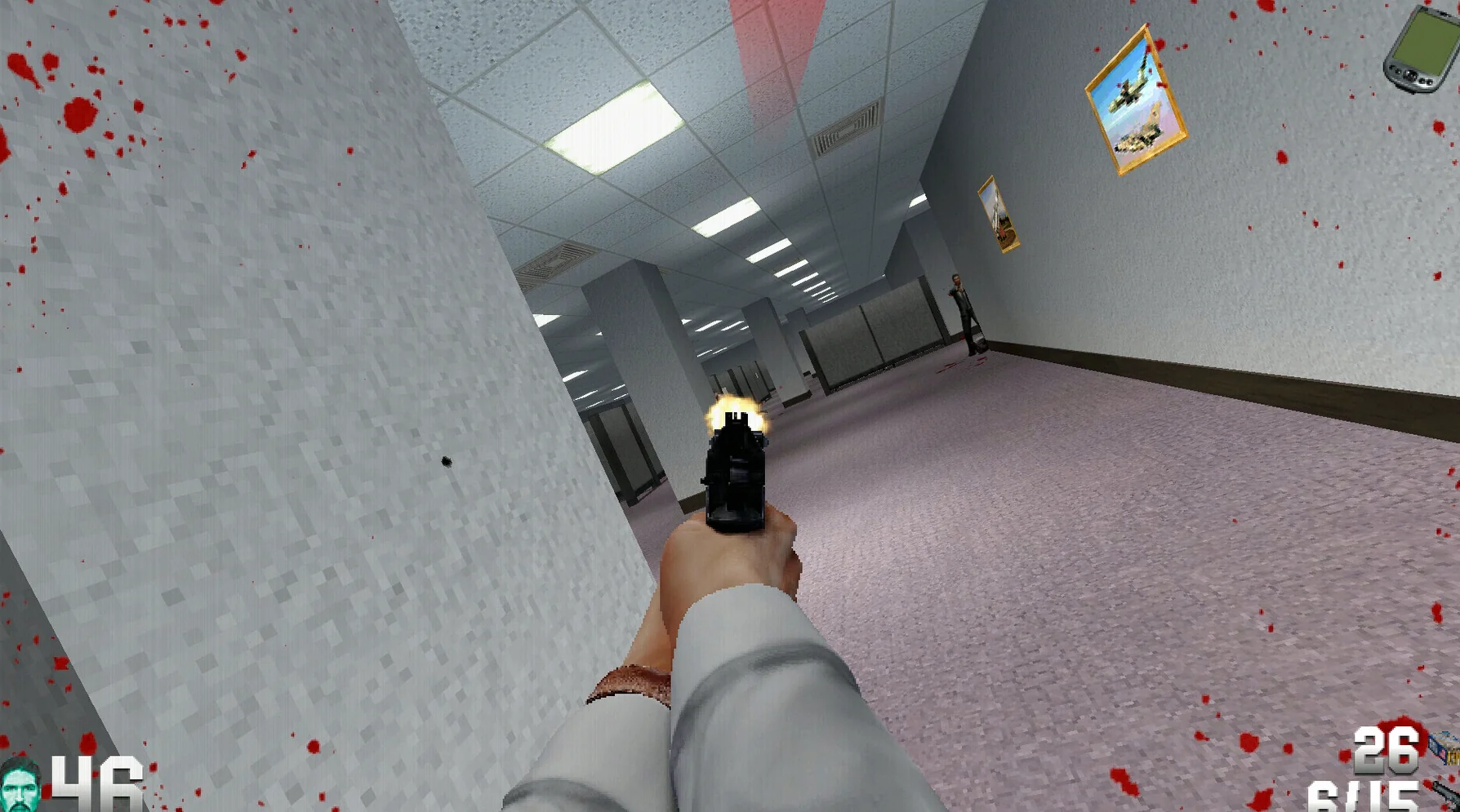
Ultra CDG’s upcoming FPS Washington Prime is being shaped around a very specific pitch: bring back the “boomer shooter” feel of the late 1990s, but with modern-feeling mechanics and a lived-in, readable world. In an in-depth chat with the project’s lead designer—using the handle Hipshot (their real identity withheld for safety reasons)—the team explained what the game is aiming for, why it looks and plays the way it does, and how its real-action FMV sequences were actually made.
A late-90s action FPS, built from specific inspirations
Hipshot described Washington Prime as an action-and-suspense FPS set in the late 1990s, noting that there are few games today that capture that exact vibe. The designer’s first inspiration traces back to a Macintosh title called Prime Target, which Hipshot says was likely the first FPS they ever played—and the spark for wanting to build something similar.
They also framed the project as a “what could have existed” scenario: a shooter that feels like it was meant for that era. Hipshot argued it wouldn’t have worked after Quake II, and called out the shift in the genre’s expectations—by then, major releases were fully 3D, while sprite-driven shooters weren’t what most players were chasing.
- Setting: late 1990s action and suspense
- Core goal: recreate the feeling of a shooter that could have shipped in that time period
- Why it fits now: modern players are more receptive to older-style shooters than they were in 1999
“No nostalgia trap”—and why the limitations matter
When discussing the frequent “nostalgia bait” label such projects can attract, Hipshot rejected the idea entirely. They said they’re building something from their own ongoing life and habits—playing and studying older games—and stressed that the aim isn’t to pretend the product is old, but to make it feel that way.
The designer also linked the game’s presentation to limitations rather than a deliberate attempt at outdated visuals. They claimed they can’t produce very high-end graphics, and argued that making it in a modern high-fidelity workflow (they specifically mentioned Unreal 5) would likely result in “just another” contemporary action shooter.
- Graphics approach: presented as constrained by what the team can make
- Design intent: keep the “old” atmosphere while using modern gameplay touches
- Modern mechanic callout: the game includes a “leaning” feature, which Hipshot says they didn’t see in that era’s shooters
Worldbuilding through handwritten-style details (and no AI shortcuts)
Hipshot confirmed they wrote the game’s narrative details themselves. The designer said they handle the full content: what you can see and read in-world, including newspapers and magazines, and that their goal is to create a coherent world that players can discover through environmental storytelling.
They also talked about how they come up with names and context the way they would for a real media ecosystem—imagining the types of companies and publications that could exist in that setting. Hipshot explicitly added that they do not use AI or similar generators for these elements.
- Who wrote what: Hipshot stated they write everything, including in-world text and references
- How it’s built: frequent inspiration from movies and games from the period
- Tooling: no AI generative tools used for content
FMV scenes made with friends, plus tight limits on spectacle
On the question of what gets cut versus what makes it into the game, Hipshot described a boundary-setting process between them and the studio’s artist. The artist, they said, pitches ideas like dramatic additions (including an explosive helicopter concept), while Hipshot tries to keep the project grounded in realism—specifically avoiding unrealistic airborne chaos.
- Spectacle boundaries: no helicopters or planes flying around
- What’s expected instead: enemy behavior like infiltration through windows from upper floors
Real-action sequences: “not actors,” but friends doing a job
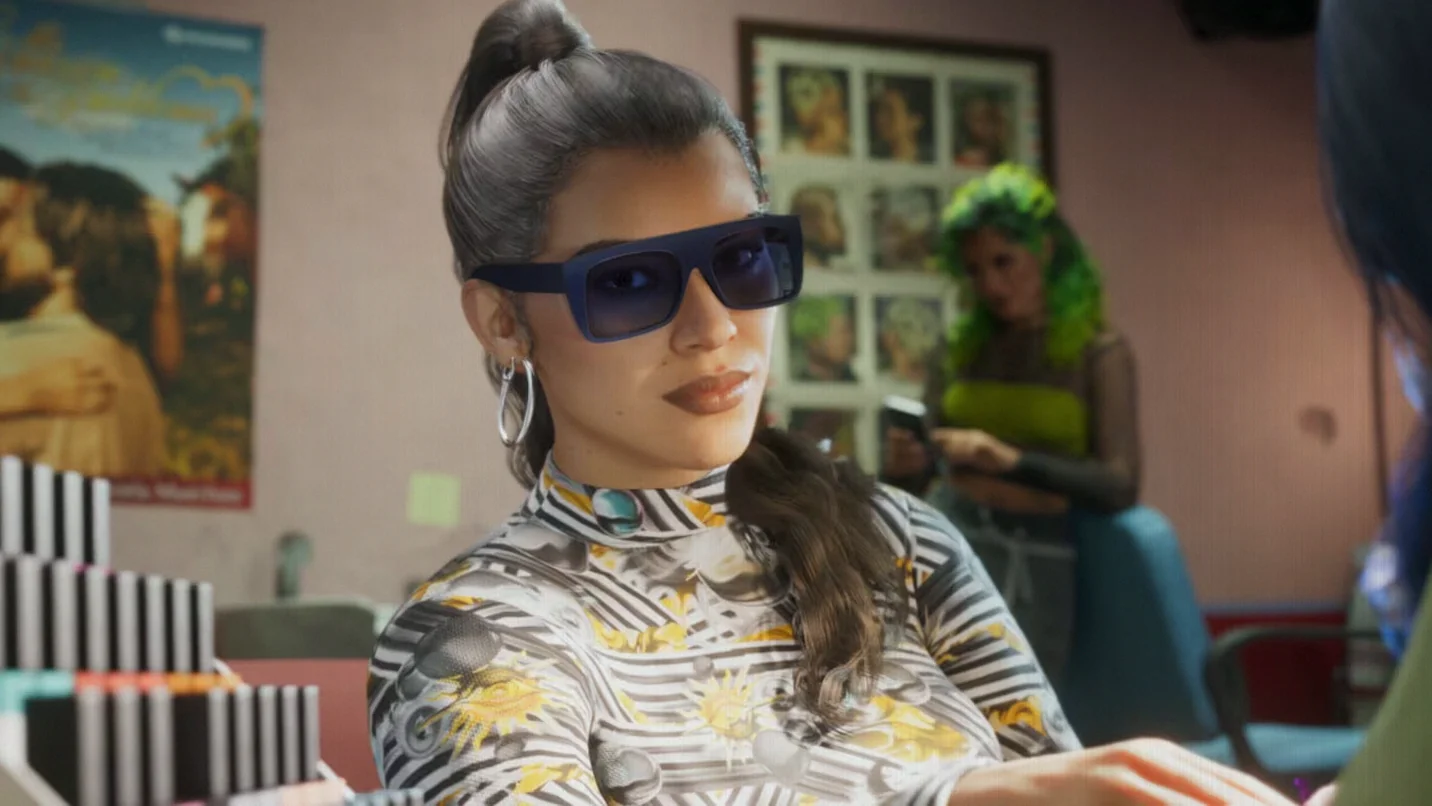
Hipshot said the game’s cinematic sequences are live-action FMV filmed in real time with actual people. They also framed the performances as intentionally casual: if the footage seems “cheap” or “Budget 24”-like, Hipshot said the people involved aren’t professional actors and aren’t trying to act for a job—they’re friends who worked hard and had fun making it.
Hipshot connected the decision to an older reference point: Prime Target included real-action sequences, and they wanted to build something similar. They emphasized that, while many studios have moved away from full FMV in favor of 3D, they still wanted to make a “movie” feel—even if it ends up being low-budget in spirit.
For the trailer’s core filmed elements, Hipshot explained they recruited friends. They said the gameplay-character “protagonist” in the FMV work is Blake Kincaid, described as a Florida-based person who does voice work and related audio work, and Hipshot said they approached him for dubbing and then asked if he could interpret the main role.
- FMV intent: inspired by Prime Target real-action scenes
- Cast: friends of the team rather than actors
- Main role example: Blake Kincaid (voice/work background) was cast for the central filmed character
- Filming location detail: Hipshot said the United States portion was filmed professionally due to how the person involved works in that space
Equipment, costs, and practical effects
Hipshot clarified that the FMV wasn’t shot on a phone—though they said they don’t even have a mobile camera. They described using an older Sony digital camera (they estimated around ten years old) for most of the filming, while the U.S. segment was shot more professionally.
They said most live-action scenes were captured only at the beginning and the end of the game, and that the process ended up costing more than expected. Hipshot also described practical effects for a death moment: they used adhesive tape and made a blood-like effect with coloring/tint that ended up purple, and they said the final result looked ridiculous in the moment but sold the illusion once it’s on the ground where it’s meant to be seen.
- Phone filming: denied; no phone camera used
- Main gear: an older Sony digital camera for most scenes
- Where FMV appears: primarily at the start and end of the game
- Practical effects: a taped “blood packet” with colored liquid; Hipshot said it was purple but reads as blood in the final shot
Release window and what’s next for the interview series
Washington Prime is planned for PC release in the first quarter of 2027. Ultra CDG’s project team is small—Hipshot described the studio as only three people: an artist, a programmer, and the chief designer.
The interview itself is presented as the first part of a two-part deep dive, with the second part scheduled to be published later during the same week.
- Platform: PC
- Release: first quarter of 2027
- Interview format: two-part deep dive; Part 2 planned for later in the week