Totti says 2006 World Cup win elevated his status beyond Roma
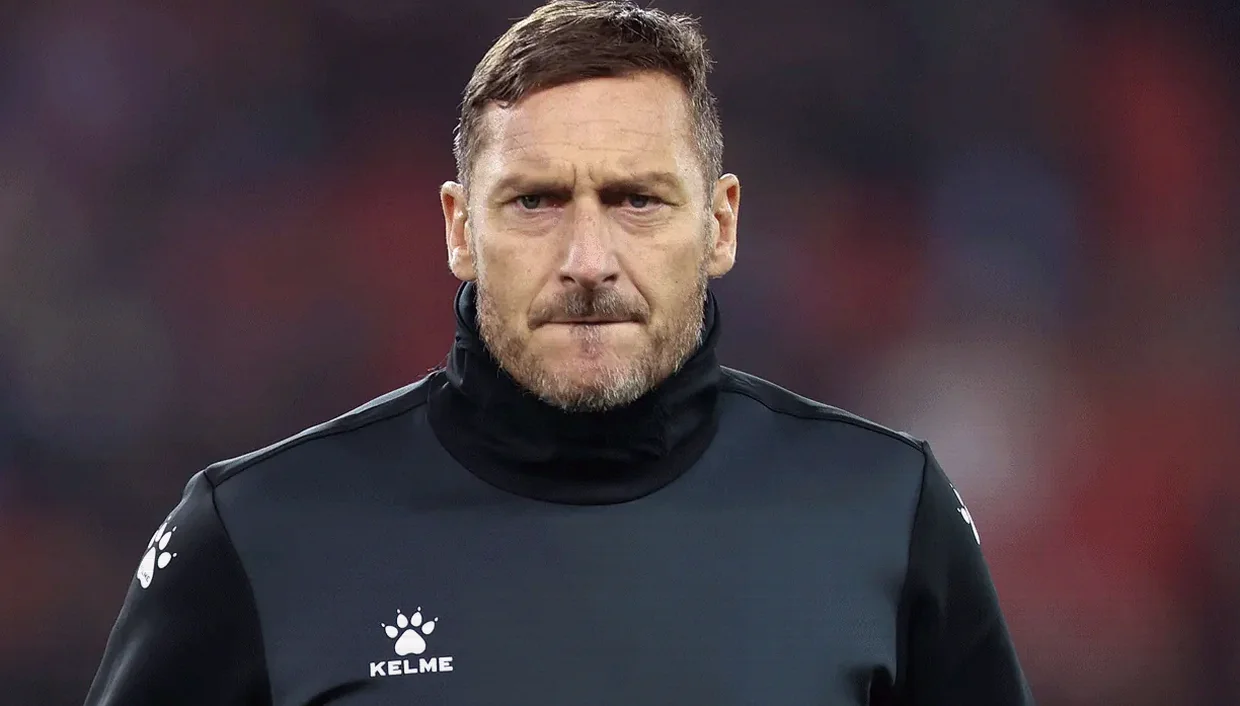
Francesco Totti believes Italy’s 2006 World Cup triumph took his standing beyond Roma and made him a recognised figure across the global game, despite arriving in Germany after a serious ankle injury and far from full fitness.
Key takeaways
- Totti says the World Cup win gave his reputation an international dimension that his Roma honours alone could not provide.
- The former forward fractured his left ankle in February 2006 and underwent emergency surgery before racing to reach the finals.
- He started six of Italy’s seven matches in Germany, producing one goal and four assists.
- Totti’s four assists were the highest total at the tournament as Marcello Lippi’s Italy won the competition.
- He accepted that he was not a natural dressing-room speaker, insisting his leadership came through performances on the pitch.
A World Cup that changed Totti’s standing
Roma’s legendary No. 10 has long been defined by his loyalty to the club and by a career that delivered one Scudetto, two Coppa Italia titles and two Supercoppa successes. Yet Totti feels the 2006 World Cup was the achievement that ensured he would be viewed as more than a hero of the Italian capital.
Reflecting on the tournament around his 50th birthday, Totti said winning in Germany gave him the platform to matter beyond Rome. He joked that Italy would not have lifted the trophy without him, while also stressing that a World Cup winner’s medal carries a different weight to domestic silverware.
“Had I only won the league title, two Coppa Italias and two Supercoppas, I would have remained inside the ring road,” Totti said. “Winning the World Cup changed that. I was only at 40 per cent, but I still played an important part. Not everyone gets to win a World Cup.”
His fitness assessment reflected the difficult build-up to the finals. Totti broke his left ankle in February 2006, forcing him into immediate surgery and leaving little time to recover match condition before Lippi named his squad for Germany.
Even so, he was selected from the start in six of Italy’s seven fixtures. Totti scored once and created four goals, ending the tournament as its leading assist provider as Italy went on to secure the country’s fourth World Cup.
Confidence on the field, not in team speeches
Totti also looked back on the strongest period of his playing career, identifying the years from 2001 to 2008 as a time when he felt physically and technically overwhelming. He said he was almost “embarrassing” in how strong he felt during that stretch.
While his ability and influence were never in doubt, he was frequently portrayed as a quieter figure away from the action. Totti did not challenge that description when discussing the expectation that senior players should address team-mates before matches.
For him, the match itself was always the priority. Totti said he preferred to focus on playing and enjoying football rather than making speeches, arguing that anyone can talk away from the pitch. He added that he never felt pre-match tension, choosing instead to let his football speak for him.