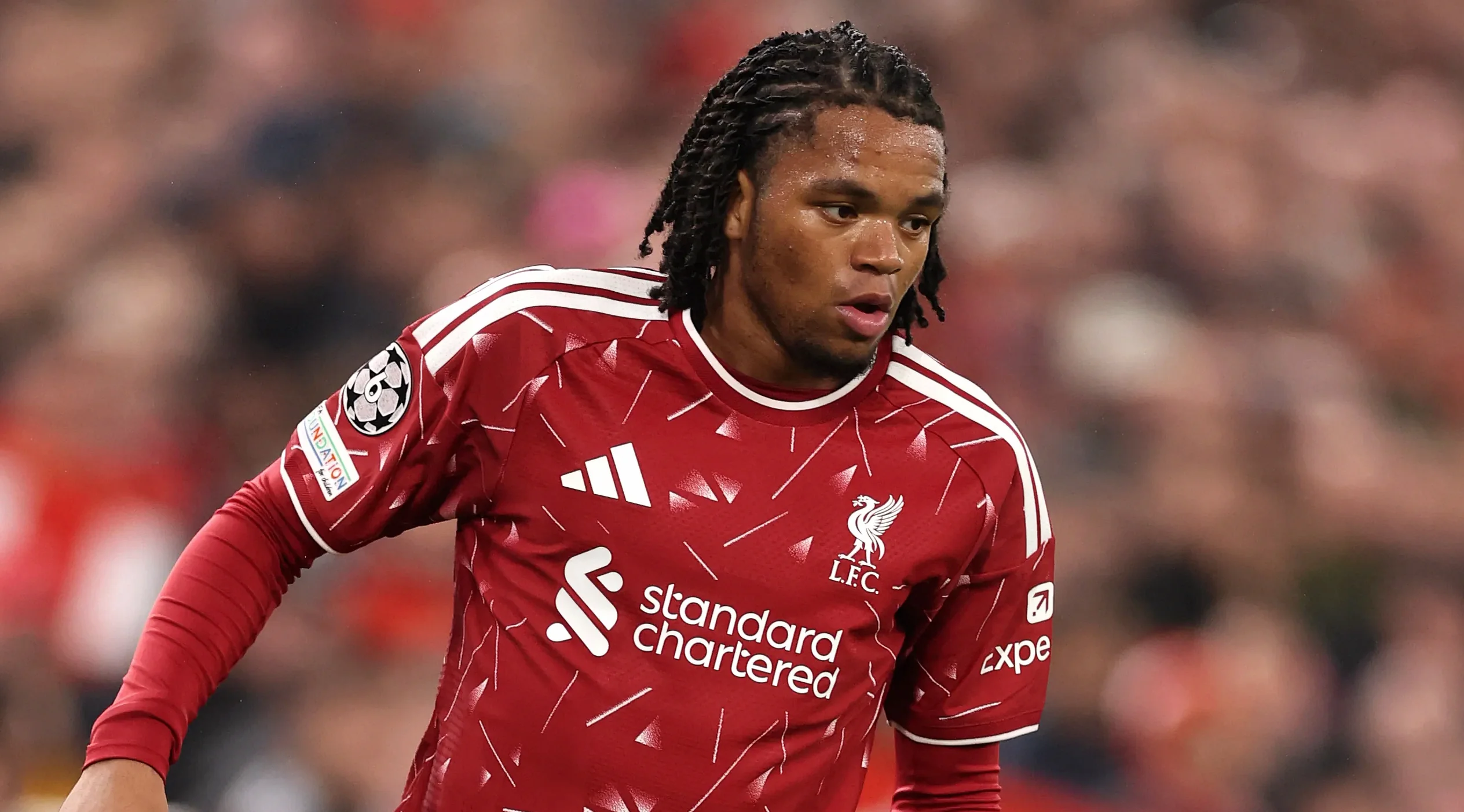
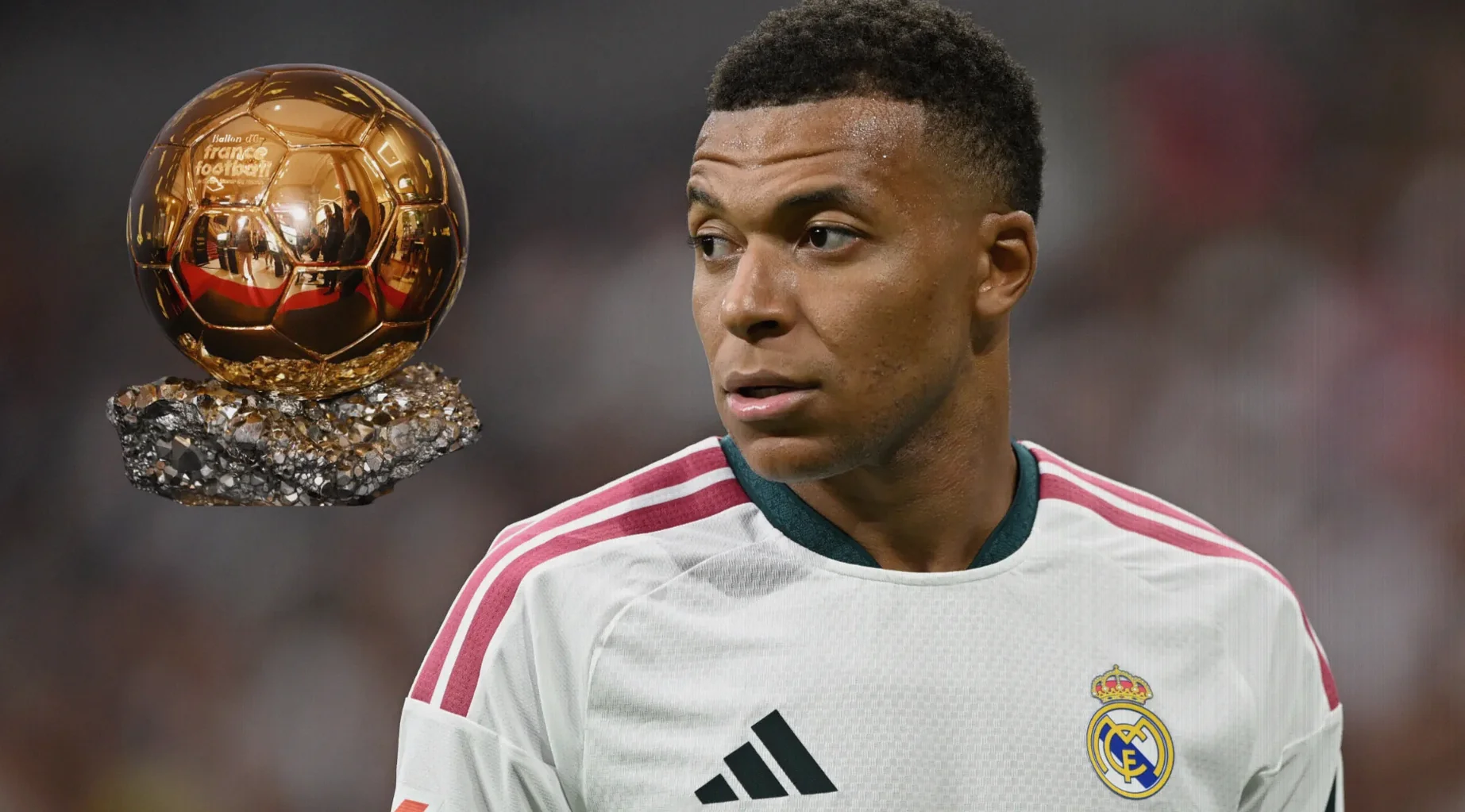
Raphinha Leads Barcelona Into Real Madrid Clash After Stunning Striker Switch

Raphinha will lead Barcelona’s attack against Real Madrid on Sunday with the chance to extend an extraordinary start to the 2026-27 LaLiga season. Hansi Flick’s side can make it 10 victories from their opening 10 league matches, while the Brazilian arrives with 14 goals in 10 appearances in all competitions after adapting once more, this time from wide forward to centre-forward.
The 29-year-old, who turns 30 in December, returned from an injury suffered during the latest international break as a substitute against Real Betis and then played an hour of Tuesday’s 4-2 defeat to Paris Saint-Germain. He said he had wanted to stay on longer in Paris but accepted that his minutes had been managed as part of his recovery.
“I was a little annoyed when the manager took me off because I thought I could have continued for a few more minutes,” Raphinha said. “We always want to be on the pitch in a game of that importance, but everything is fine. I’m getting back to full fitness. The plan was for me to play fewer minutes, although after a match like that you just want to play again.”
Barcelona’s captain has already scored 12 times in eight LaLiga games. His movement in central areas has become a major feature of Flick’s attack, particularly after the summer departures of Robert Lewandowski and Ferran Torres left the club looking for a new No. 9. Barcelona explored a deal for Atlético Madrid forward Julián Álvarez, but the pursuit did not produce a signing and Raphinha has filled the role instead.
A forward shaped by constant adaptation
Raphinha arrived at Barcelona from Leeds United in 2022 primarily as a right winger. Under Xavi Hernández, competition from Ousmane Dembélé and later Lamine Yamal restricted his opportunities on that flank, even though he returned 20 goals across two seasons. His league minutes fell from 2,083 in 2022-23 to 1,371 the following year, and he completed 90 minutes only eight times in 2023-24.
There were signs of a different role late in Xavi’s spell, when he impressed from the left in a Champions League meeting with Paris Saint-Germain in spring 2024. But Raphinha had considered leaving the club before Flick’s appointment changed the picture. In their first conversation, the German coach told him that his intensity and physical output would be central to the new system.
Flick used him from the left during his first campaign, although the Brazilian frequently moved inside as a second striker. When Lewandowski dropped away from the penalty area, Raphinha attacked the spaces ahead of him, while Yamal provided much of the creative threat from the right. The arrangement helped Barcelona win a domestic treble and reach the Champions League semi-finals, with Raphinha contributing 34 goals.
His Champions League run included 21 goal involvements, strengthening his Ballon d’Or credentials. Flick publicly called it a “joke” when the forward was omitted from FIFA’s Best XI. Injury problems later limited Raphinha to fewer than 1,500 league minutes, although he still scored 21 goals in 33 appearances last season.
The shift to the middle has taken his output further. His non-penalty goals per 90 minutes rose from 0.33 in 2023-24 to 0.51 in 2024-25, while his non-penalty expected-goals rate increased from 0.43 to 0.56 per 90, placing him in the 99th percentile. He also registered 0.25 open-play expected assists per 90, a figure in the 91st percentile.
Barcelona’s 5-1 win over Feyenoord offered a recent example of the new role. For his second goal, Raphinha used defender Tsuyoshi Watanabe’s close marking against him, first checking towards the area before changing direction and finishing the move.
Leeds move accelerated his rise
The forward’s route to the elite level was far from direct. As a child, he attended Ronaldinho’s birthday party, but he did not follow the more familiar path of moving from Brazil straight to one of Europe’s biggest clubs. After playing in Brazil’s várzea competitions, which he has described as “the home of the rejects”, he joined Vitória de Guimarães in Portugal before spells at Sporting CP and Rennes.
It was at Leeds that his career moved rapidly. Victor Orta, then Leeds sporting director and now at Real Valladolid, had followed Raphinha for some time and believed his athleticism could suit several positions.
“I watched Vitória de Guimarães one day and thought he could even play as a wing-back,” Orta said. “He was not the typical technical Brazilian profile. I thought he looked like someone who could run 400 metres in athletics.”
Leeds secured the transfer from Rennes late in the 2020 window after a hurried sequence of events. A message from people working with Deco, then Raphinha’s agent and now Barcelona’s sporting director, indicated that the player could leave because Rennes were preparing to bring in another forward. That player was Jérémy Doku.
Marcelo Bielsa initially wanted time to assess the option, but the approaching deadline forced a quick decision. Rennes captains pressed their chairman to keep Raphinha, yet the French club required the money to complete Doku’s arrival. Orta said Leeds’ recruitment staff had identified the Brazilian’s high-speed running and intensity as qualities suited to the Premier League and Bielsa’s demands.
“I told Marcelo to trust me,” Orta said. “He did some research, called me back and said he had received positive opinions. By then, I told him Raphinha was already flying in.”
Raphinha scored 17 goals in two seasons at Elland Road and played a key role in Leeds remaining in the top division in both campaigns. His pressing, repeated sprinting and willingness to work without possession fitted Bielsa’s high-energy approach.
Former Leeds teammate Rodrigo Moreno called him one of the finest players he had played alongside, pointing to his capacity to repeat intense actions throughout a match. Current Leeds captain Ethan Ampadu, who arrived after Raphinha had departed, said the Brazilian remains deeply admired by club staff and supporters.
Raphinha’s final Leeds appearance came in the 2022 comeback victory at Brentford that secured survival. He converted a penalty and then crossed the pitch on his knees as an act of thanks, a gesture he has repeated after Barcelona trophy wins. He has collected seven trophies with the Catalan club, including three league titles.
The result also changed the financial terms of his departure. Relegation would have reduced his release clause to €24 million, while Barcelona ultimately paid €54 million plus bonuses, a package believed to have reached about €60 million. Orta said another club offered €30 million, €6 million above the relegation clause, shortly before the Brentford fixture, but Leeds trusted Raphinha to play his part in the survival fight.
Production rose despite changing demands
At Leeds, Raphinha offered more than goals. He combined quickly in earlier build-up phases, used either foot under pressure and created from the right through crosses, clipped passes and switches of play. His diagonal runs from wide areas regularly brought him into shooting positions, while his defensive work strengthened Bielsa’s pressing structure.
His statistical output dipped in 2021-22 as Leeds endured a severe injury crisis and opponents became better equipped to deal with Bielsa’s methods. His combined non-penalty goals and assists rate fell from 0.57 to 0.31 per 90 minutes, while his non-penalty expected goals and assists decreased from 0.48 to 0.41.
Even in that quieter season, he remained among Europe’s stronger attacking midfielders and wingers. He ranked in the 93rd percentile for expected threat created and the 88th percentile for offensive-action value added among qualified players in the Big Five leagues.
Barcelona’s stronger attacking cast lifted his chance creation further. His non-penalty expected-goals figure rose from 0.22 per 90 at Leeds in 2021-22 to 0.40 in his first Barcelona league season, while his open-play expected assists more than doubled from 0.16 to 0.34 per 90. Those levels were maintained in 2023-24, despite the uncertainty over his role and selection.
Orta believes the forward’s progress reflects a long-standing willingness to train and develop rather than a sudden reinvention.
“He loves work and he loves training,” Orta said. “He wants to reach the next level. What he is achieving now comes from working every day. There is no limit for him. He wants to test his limits, now as a No. 9.
“When he left Leeds, I told him to go to Barcelona without changing what he was. If he stayed true to that, he could keep improving. He has ambition, an open mind and enough humility to believe he can get better.”
Flick’s direct, fast-paced approach has given those qualities a natural platform. Raphinha may lack the pure improvisational profile associated with Brazilian predecessors such as Neymar or Ronaldinho, but his pace, pressing and sharp attacking runs have made him decisive in a Barcelona side targeting a first Champions League title since 2015.
Before that longer-term ambition can be assessed, Barcelona face their defining domestic test. Victory over Real Madrid on Sunday would preserve their perfect league record and give Raphinha another major stage on which to show that his latest positional change may be his most productive yet.