Japan Expo 2026: Akane-Banashi Creators Discuss Rakugo Shonen Adaptation
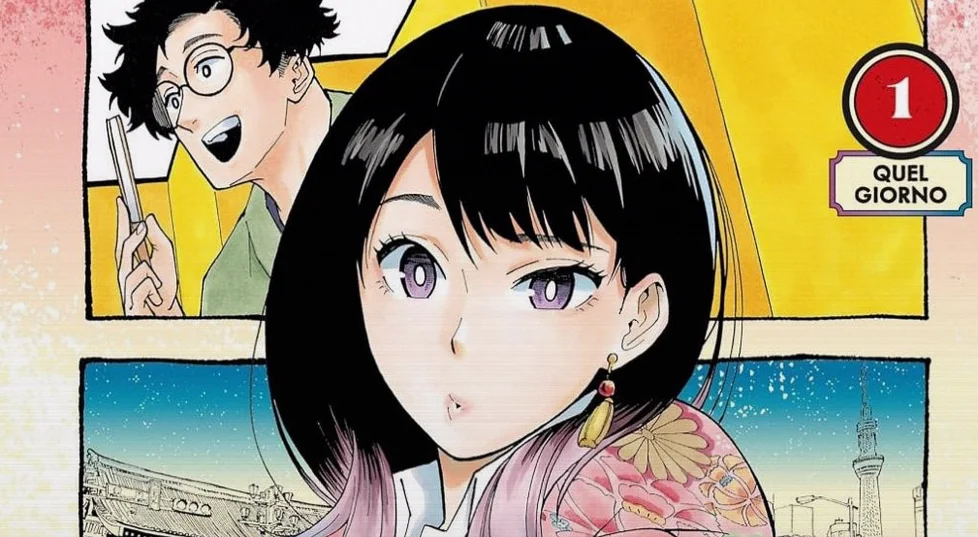
At Japan Expo 2026 in Paris, a major European stop for Japanese pop culture, the manga and anime world took center stage through a media-focused press conference centered on Akane-Banashi. The event spotlighted the series’ creative team and industry figures as they discussed how a traditionally performed art form—rakugo—is being translated into a modern shonen narrative for today’s readers, while still honoring the legacy behind it.
The session was hosted as a media-only meeting tied to the appearance of AnimeClick as a media partner for the Japan Expo program. During the conference, the authors behind Akane-Banashi, along with Takaaki Kuwahara, editor at Weekly Shonen Jump, and Kazuki Endo, producer at TV Asahi, went into detail on the work’s creative process, the balancing act between tradition and shonen storytelling, and how the series aims to help new generations rediscover rakugo.
A key topic was the series’ shonen framing. Asked whether the team was ever worried that shonen elements would overpower the traditional roots, Yuki Suenaga explained that the choice to make the story shonen was deliberate—meant to add impact and heighten emotional resonance during reading. Takamasa Moue reinforced that rakugo has deep historical roots as a performing art, and argued that using shonen language is one way to make it more engaging and present its value within contemporary Japan, while still building the world of Akane-Banashi with respect for the long-standing tradition.
The conversation then turned to the specific rakugo material used in the story. Suenaga said that in Japan many people still don’t know rakugo, which is why she included well-known tales such as Shibahama, Shinigami, and Manju, aiming to broaden familiarity and appreciation. She also clarified that while Shibahama plays a prominent role in the manga, it is only one part of the wider repertoire associated with a rakugoka.
Another point of discussion was the series’ protagonist: Akane Ōsaki as a strong female lead in a publication context often associated with male-centered casts. Suenaga argued that the situation is no longer unusual, saying that if a story is compelling, a female protagonist of that caliber is now accepted without much friction—even on Shonen Jump. She added that she sees the magazine’s readership as “gentlemen,” in the sense that they can appreciate a good story regardless of the protagonist’s gender. Moue, meanwhile, highlighted the personal design challenge and the breakthrough: he said he had typically struggled to draw female characters that are both cute and “kawaii,” but that this manga helped him move past that limitation. He described Akane as extremely cool and among the most stylish characters the magazine has run, expressing pride in what they accomplished.
Asked how the team arrived at a work that blends multiple genres—something that can be harder to classify in markets used to clearer categories—Suenaga said she knew a rakugo-centered story wouldn’t be universally appealing since the theme isn’t universal. The key, she said, was identifying what truly mattered for making a manga about rakugo: making it understandable and, above all, interesting to any reader. Because the series would appear in Shonen Jump, she explained that the story needed to be adjusted to fit the magazine’s overall style so shonen fans could still connect with it.
When the group was asked what sets Akane-Banashi apart among current Jump titles, Kuwahara pointed to its ability to convey humanity. He cited themes such as courage, love, and kindness as landing strongly with readers, arguing that gestures carry much of the storytelling—showing affection through actions rather than only words, which makes the series feel deeply human. Suenaga added that character expressions often communicate emotions more intensely than in many other manga, increasing the impact of the reading experience. Moue emphasized that there are moments where no dialogue is needed for readers to understand what a character is feeling; he singled out Akane’s sadness, anger, or frustration as examples where body language makes the emotions vivid.
The creators also addressed how the demands of serialization affect the work over time. Suenaga said the rhythm required by Jump is extremely demanding and maintaining deadlines consistently is difficult, likening the experience to an ongoing race with no finish line. Despite those challenges, she said their approach hasn’t changed and that they wouldn’t modify anything now. Moue offered a parallel reflection: early in the serialization, his drawing abilities were not what they are today, and he often feels he would like to redraw certain scenes with the experience he has gained. Still, he believes the earlier pages continue to deliver their energy, and he said he grew alongside the story—so in the end he wouldn’t change anything.
The press conference also mapped out how rakugo performances are translated into manga form. Suenaga described the workflow as starting with choosing the rakugo story, then identifying the elements to adapt, and only afterward deciding which character will perform it. She said the process hinges on two key factors: the emotions the performer must carry during the act and the technique they use to surprise the audience—together shaping the character’s growth. Moue added a three-part approach: ensuring the screenplay doesn’t lose any important elements of the original story, making it clear to readers what’s happening both internally and externally for the character, and presenting it in a cool way that creates a lasting impression.
With rakugo being a traditional Japanese art, the team discussed whether they worried it wouldn’t speak to younger readers on a shonen platform—and whether that challenge has been met. Suenaga said the impact has been significant, arguing the manga successfully attracted many young readers by presenting a traditional art through an approachable format. She said the goal was to make rakugo fun and engaging, with those qualities emerging through the story rather than focusing only on the traditional system itself. Endo compared his role to a chef, saying his job is to reveal what’s inside the “pot” and show how good the dish is so people will want to try it—framing the project as introducing rakugo in a fresh, modern light.
On the art side, Moue explained how character styling and hairstyles are handled. He said sometimes the team researches, and other times he draws inspiration from observing people in the street, noting how they dress and wear their hair and using those ideas in chapters. He also said he sometimes looks to patterns from magazines or mannequins in shop windows, selecting styles that can fit a character’s personality. He pointed out that Akane-Banashi features many characters, and each has a defined hairstyle and look because each reflects distinct tastes and personalities.
The creators also described how the project reached Shonen Jump. Suenaga said she had the chance to pitch her concept directly to the magazine’s editorial team, and that it began with winning the Jump Manga Contest. She described the contest as designed to help young authors debut through Shonen Jump, adding that before the contest both creators shared the same editor in charge. After she explained her desire to make a manga about rakugo, that editor made it possible to work with Moue.
When asked about artistic influences, Suenaga cited manga by Masahito Soda as major references—specifically Subaru, centered on dance, and Capeta, about go-karts—along with Slam Dunk and Blue Giant. Moue listed a different set of inspirations for his drawing: he named One Piece, Naruto, Bleach, Slam Dunk, and Hikaru no Go as the five works he said had the strongest impact on his style.
They also discussed which character they identify with most. Suenaga said Akane ended up influencing her the most, explaining that Akane was initially difficult for her to write because she felt distant from her. Over time, though, she felt she was growing closer to the character, and Akane’s courage and determination led her to a repeated mindset: “I’ll make it.” She said that inner strength—similar to Akane’s—was the inspiration. Moue said he most connected with Guriko Arakawa, whose clumsiness mirrors his own, and he was struck by how she never gives up and keeps working hard even when constantly left behind by her senpai.
Finally, the press conference returned to the core theme of tradition versus renewal, and how the team shaped Akane as the embodiment of that duality. Moue said he grew up in Shitamachi, Tokyo’s popular and historic districts, which still carries a fashionable appeal among young people. He said that environment inspired him to blend traditional and modern elements, choosing a style meant to draw in younger readers not only to the manga but also to its characters.
Suenaga added a personal perspective on cross-generational appeal. She said she recently attended an autograph session at Japan Expo and that readers told her they read Akane-Banashi together with their children or with their parents. She said she loves fighting manga, but after becoming a mother she didn’t feel comfortable having her kids read stories heavy with blood and violence. That led her to a rule for herself: making a manga suitable for readers of all ages so the whole family can enjoy it together. She closed by expressing that she would be happy and honored if Akane-Banashi could become the kind of generational story her and her audience can share—comparing that hope to a family legacy centered on Akane and Shinta.