Ireland Played Israel Despite Threat of UEFA Sanctions, Says FAI President
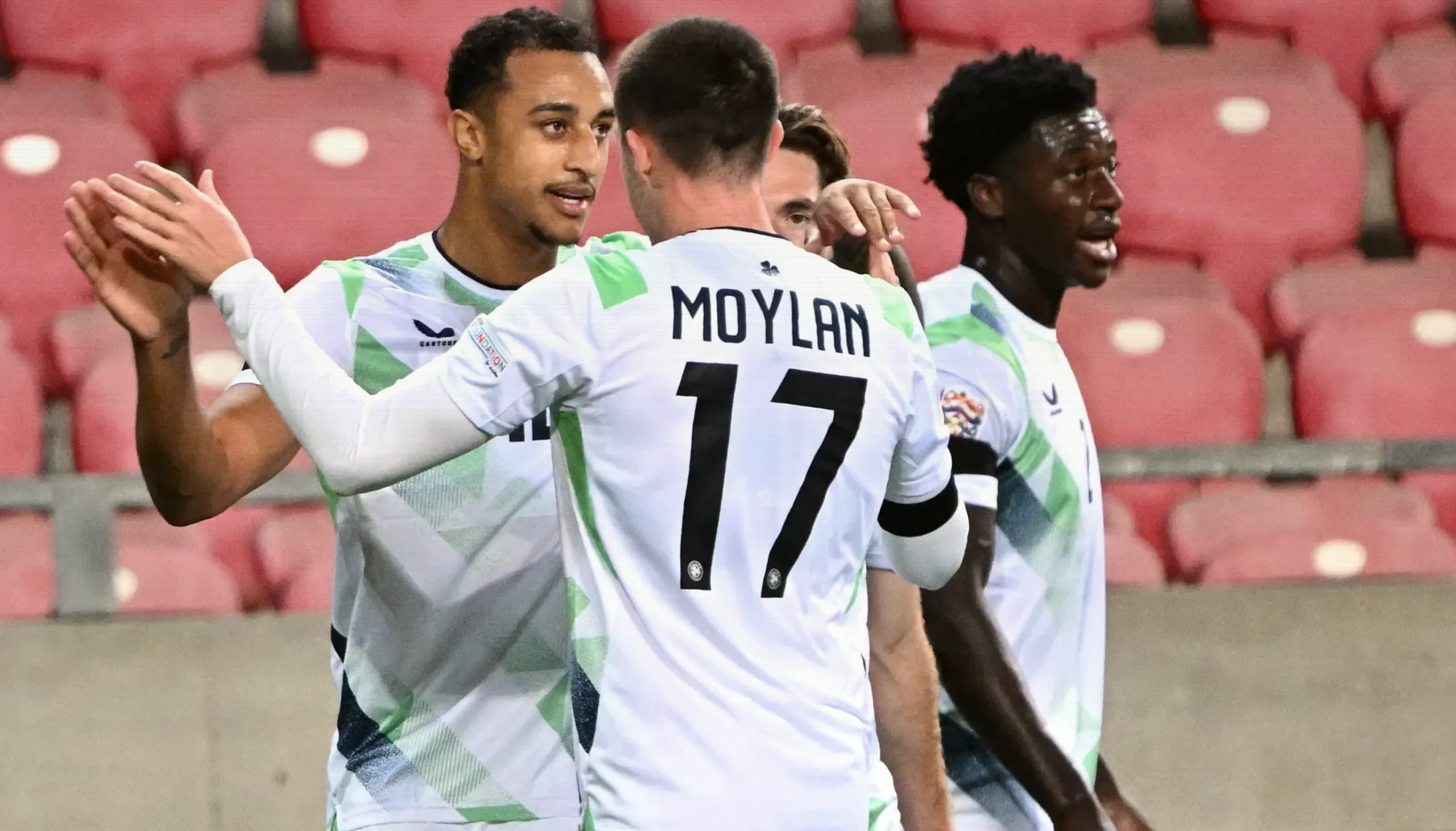
Ireland’s 3-0 Nations League win over Israel in Debrecen went ahead after the Football Association of Ireland concluded that refusing to fulfil the fixture could bring serious UEFA consequences. The match, relocated to Hungary amid the war in Gaza and widespread calls for a boycott, was played on Sunday following a vote within the Irish squad.
Key takeaways
- Ireland beat Israel 3-0 at the neutral venue in Debrecen, Hungary.
- FAI president Cooke said UEFA’s existing competition rules made the prospect of a boycott highly risky.
- A significant majority of the Ireland playing group voted to play after discussions at the team hotel.
- The Irish players did not take part in the customary pre-match handshake or pennant exchange, and bowed their heads during Israel’s anthem.
- The return Nations League fixture is scheduled for October 4 in Backa Topola, Serbia.
UEFA rules and the decision to play
Cooke said UEFA had not delivered a fresh, explicit warning to the FAI over the possibility of withdrawing. However, he said the regulations already set out penalties for teams that fail to complete scheduled matches, while also allowing for further sanctions at UEFA’s discretion.
He pointed to recent disciplinary action involving Southampton in England as an example of the sort of levies football authorities can impose. In Cooke’s view, the established framework left Ireland facing consequences that could not be clearly predicted if the team had declined to play.
There had been uncertainty in the Ireland camp before the match, including reports that goalkeeper Gavin Bazunu had considered pulling out as a protest. Players held talks at their hotel before the group took a democratic decision. The FAI subsequently said a substantial majority of the squad chose to fulfil the fixture.
Cooke praised those who took the field, saying the association had completed one of its required matches because of the players who were prepared to play and be involved.
Protests, criticism and the next fixture
Ireland’s players made their position visible without abandoning the match. There was no handshake with the Israeli team before kick-off, captains Dara O’Shea and Manor Solomon did not exchange pennants, and the Irish squad lowered their heads while the Israeli national anthem was played.
The FAI has nevertheless faced criticism from campaigners, including Irish Sport for Palestine and its Stop The Game campaign. Cooke said the association had followed the position mandated through its members and board, maintaining that the FAI had consistently intended to play the match despite the controversy surrounding it.
The association has also sought stronger measures against Israel. In November, the FAI wrote to UEFA requesting Israel’s removal from both club and international competition. Cooke said UEFA had replied that it would consider the request, but that no final decision has yet been made.
Cooke contacted Austria and Kosovo, Ireland’s other Nations League group opponents, to assess whether there was support for collective action or sanctions. Both countries confirmed they intended to play their scheduled fixtures, leaving Ireland without wider backing for a boycott.
Ireland and Israel are due to meet again on October 4. That game is also set to be staged away from Israel, with Backa Topola in Serbia named as the neutral host venue.