FIFPRO Men’s World 11: Ranking the Five Greatest XIs Ever
FIFPRO’s Men’s World 11 will return on 9 November, when the 2026 selection is due to be revealed after a vote by players around the world. Ahead of that announcement, the strongest historical XIs offer a reminder of how the award has brought together players from different clubs, leagues and international generations since 2005.
What changed for the World 11
The modern-era selection featuring Alisson in goal combined elite attacking players with two of the game’s most aggressive full-backs. Cristiano Ronaldo, Robert Lewandowski and Lionel Messi formed the front three, while Alphonso Davies and Trent Alexander-Arnold supplied width from defence.
- Goalkeeper: Alisson
- Defence: Alphonso Davies, Sergio Ramos, Virgil van Dijk, Trent Alexander-Arnold
- Midfield: Kevin De Bruyne, Thiago, Joshua Kimmich
- Attack: Cristiano Ronaldo, Robert Lewandowski, Lionel Messi
That side had considerable creative depth through De Bruyne and Thiago, with Kimmich providing protection in front of Ramos and Van Dijk. Its principal strength was attacking output, although its balance without the ball was less certain than some earlier World 11s.
Another standout team placed Gianluigi Buffon behind Carles Puyol, Fabio Cannavaro, John Terry and Alessandro Nesta. Steven Gerrard, Kaká and Ronaldo made up an unusually attacking midfield, with Ronaldinho, Didier Drogba and Messi leading the line.
- Goalkeeper: Gianluigi Buffon
- Defence: Carles Puyol, Fabio Cannavaro, John Terry, Alessandro Nesta
- Midfield: Steven Gerrard, Kaká, Cristiano Ronaldo
- Attack: Ronaldinho, Didier Drogba, Lionel Messi
The defensive unit gave that XI the platform to accommodate its attacking talent, combining the physical presence of Drogba with the pace, technique and invention of Ronaldinho and Messi.
Competition context
The 2011 World 11 reflected Spain’s commanding period in international football. Iker Casillas was selected in goal, with Ramos and Gerard Piqué joined by Nemanja Vidić and Dani Alves in defence. Andrés Iniesta, Xavi and Xabi Alonso formed an all-Spanish midfield, while Ronaldo, Wayne Rooney and Messi were chosen in attack.
- Goalkeeper: Iker Casillas
- Defence: Sergio Ramos, Gerard Piqué, Nemanja Vidić, Dani Alves
- Midfield: Andrés Iniesta, Xavi, Xabi Alonso
- Attack: Cristiano Ronaldo, Wayne Rooney, Lionel Messi
Casillas, Ramos, Piqué, Iniesta, Xavi and Alonso gave the side a core shaped by Spain’s success. Alves had existing Barcelona connections with several of the group, while Rooney’s work rate added another element to a forward line otherwise led by two of the era’s most prolific scorers.
A further highly balanced XI featured Dida, Paolo Maldini, Nesta, Terry and Cafu, with Claude Makélélé positioned behind Frank Lampard and Zinedine Zidane. Ronaldinho and Samuel Eto’o supported Andriy Shevchenko in attack.
- Goalkeeper: Dida
- Defence: Paolo Maldini, Alessandro Nesta, John Terry, Cafu
- Midfield: Frank Lampard, Claude Makélélé, Zinedine Zidane
- Attack: Ronaldinho, Andriy Shevchenko, Samuel Eto’o
Steven Gerrard was absent despite his Istanbul final heroics, but the side retained a formidable structure. Maldini offered control on the left as Cafu advanced from the right, while Makélélé’s defensive work allowed Lampard and Zidane to operate further forward.
What is scheduled next
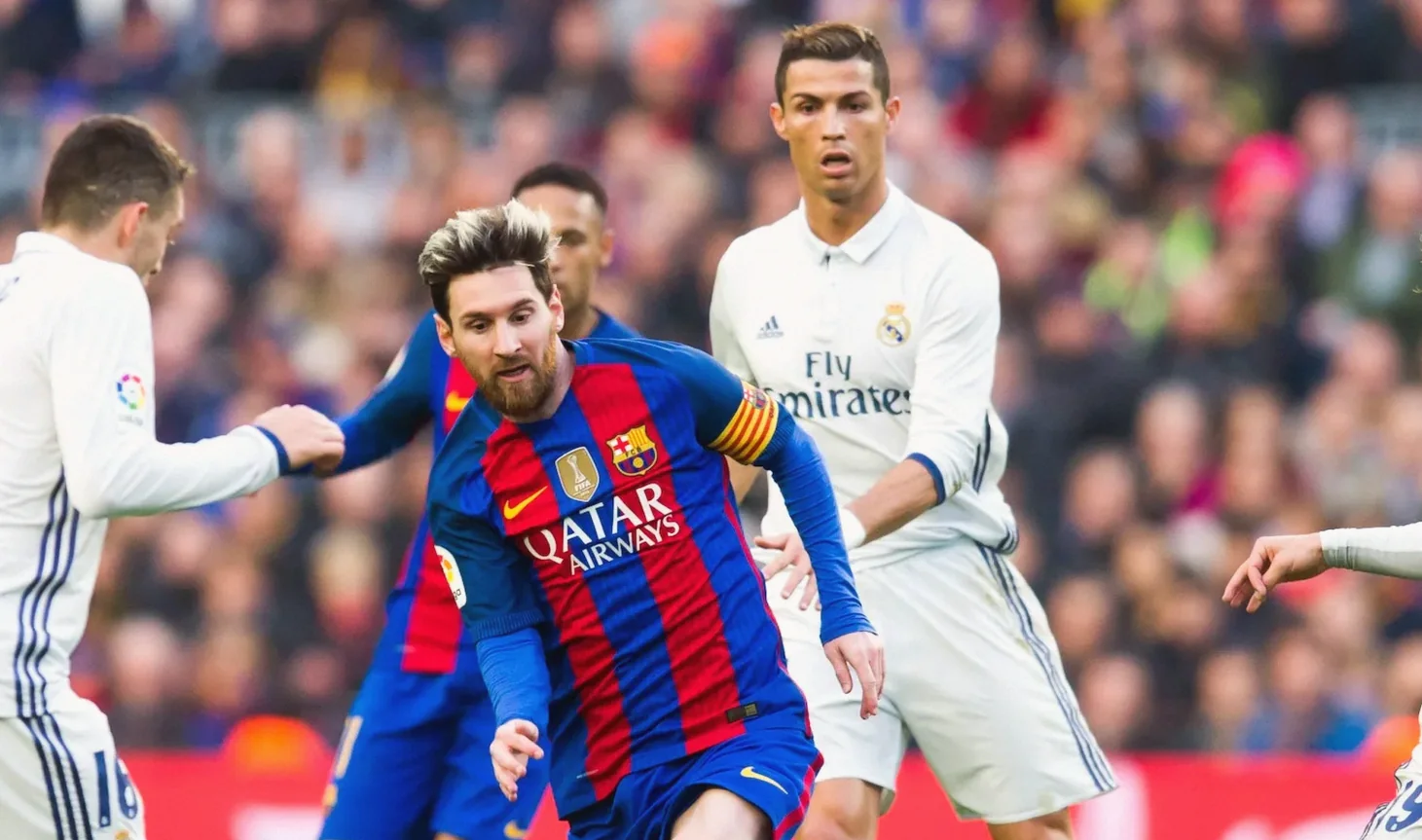
The next decision comes on 9 November, when the 2026 Men’s World 11 winners will be named. The latest group will be measured against a benchmark set by an XI led by Manuel Neuer and packed with players who defined the peak years of Real Madrid and Barcelona.
- Goalkeeper: Manuel Neuer
- Defence: Marcelo, Sergio Ramos, Gerard Piqué, Dani Alves
- Midfield: Andrés Iniesta, Toni Kroos, Luka Modrić
- Attack: Cristiano Ronaldo, Luis Suárez, Lionel Messi
Neuer’s presence behind Marcelo, Ramos, Piqué and Alves completed a side with few obvious weaknesses. Iniesta, Kroos and Modrić supplied control and technical quality in midfield, while Ronaldo, Suárez and Messi represented an exceptional attacking trio at the height of their powers.