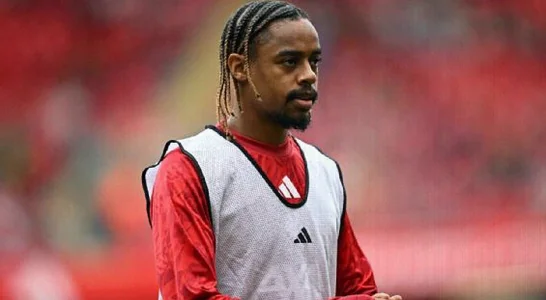
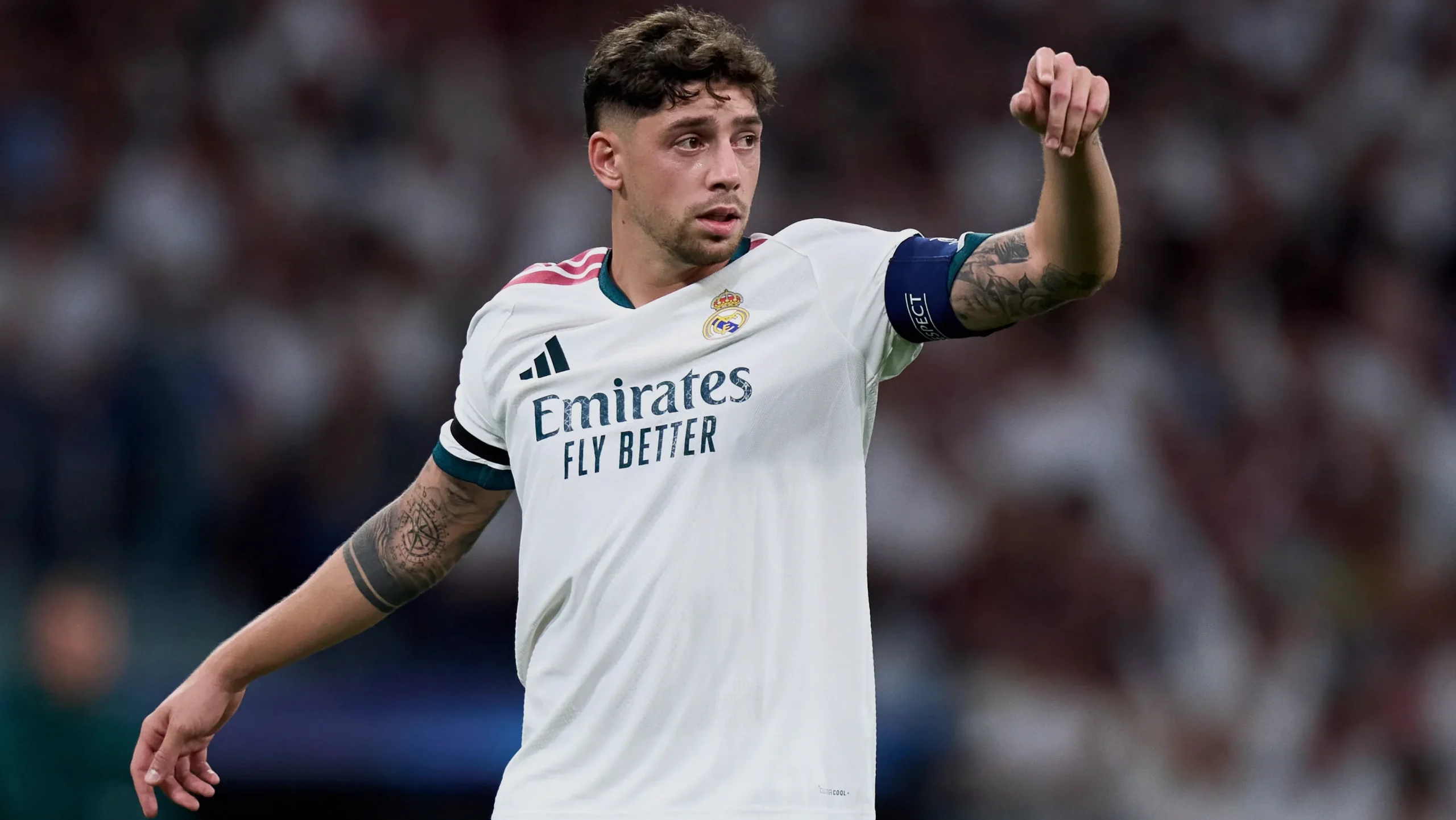
European Associations Slam FIFA’s New 16-Day International Window
European football’s national associations have raised strong objections to the new 16-day international window, with the first four-match block drawing complaints over injuries, player workload, staff pressures and the added cost for supporters and commercial partners.
International window at a glance
| Item | Date or figure | Context |
|---|---|---|
| Extended FIFA window | 16 days | Combined the former September and October two-match periods |
| Future calendar | Through 2030 | Four-match early-season block remains in place for another four years |
| Next European camps | From Nov. 9 | Two Nations League group-stage fixtures remain |
| 2030 window | Sept. 23-Oct. 8 | European national teams are scheduled to play four matches |
The concerns were aired during a private UEFA gathering in Berlin on Thursday, shortly after the first of the expanded windows concluded. Several federation officials described the format as deeply damaging, arguing that squads were left without key players for too many matches and that smaller associations had been particularly stretched by the longer period away from clubs.
UEFA will collect feedback from its 55 member associations before considering a formal approach to FIFA. Only Azerbaijan was said to have offered an unequivocal defence of FIFA’s stewardship of the international-match calendar during the discussion.
The structure replaces two separate early-autumn breaks, each generally containing two fixtures, with one longer release period. It is nevertheless fixed within FIFA’s men’s calendar until 2030. European teams will use next year’s equivalent window for qualifying matches for Euro 2028.
European clubs had previously supported fewer release periods, believing the arrangement could reduce interruptions across the domestic campaign and limit long-distance travel for players returning from other continents. The practical impact of an extended absence from club football, however, has quickly become a point of tension.
Borussia Dortmund coach Niko Kovač said clubs now had to contend not merely with players returning injured, but with a loss of rhythm after more than two weeks without their full groups. Kovač, who coached Croatia for two years and took the country to the 2014 World Cup, said teams were effectively having to restart their work on the players’ return.
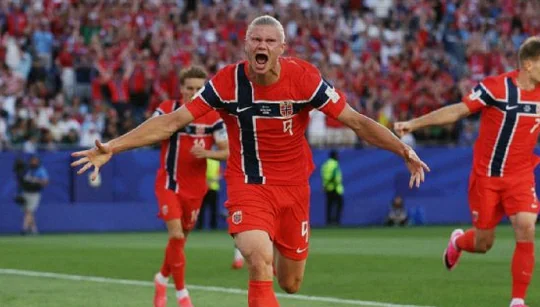
Injury and fatigue were central to the federations’ concerns. Kylian Mbappé was among players unavailable for several games, while Erling Haaland was taken off during the second half of Norway’s Sunday defeat by Portugal, their fourth fixture of the block.
Norway coach Stale Solbakken noted that the schedule was especially punishing for footballers involved in the Champions League and given limited time off. Norway’s World Cup campaign had extended into July after their run to the quarterfinals of the first 48-team tournament, the longest World Cup to date.
Haaland returns to an immediate club test with Manchester City. City travel to Liverpool in the Premier League on Sunday before hosting Paris Saint-Germain in the Champions League on Wednesday.
FIFA has argued that a longer autumn release period can also create space for regional competitions. The eight-team Arabian Gulf Cup, staged in Saudi Arabia from Sept. 23 to Oct. 6, was able to take place within the recent window.
The move towards condensed international periods began with FIFA’s 2021 push for a biennial World Cup and was later incorporated into the revised men’s calendar. That calendar obliges clubs to release selected players for international duty, including World Cup participation. FIFA also distributes hundreds of millions of dollars to clubs globally when their players represent national teams at the tournament.
For now, the format will remain, with Europe’s next call-ups beginning on Nov. 9 for the final two rounds of the Nations League group phase.