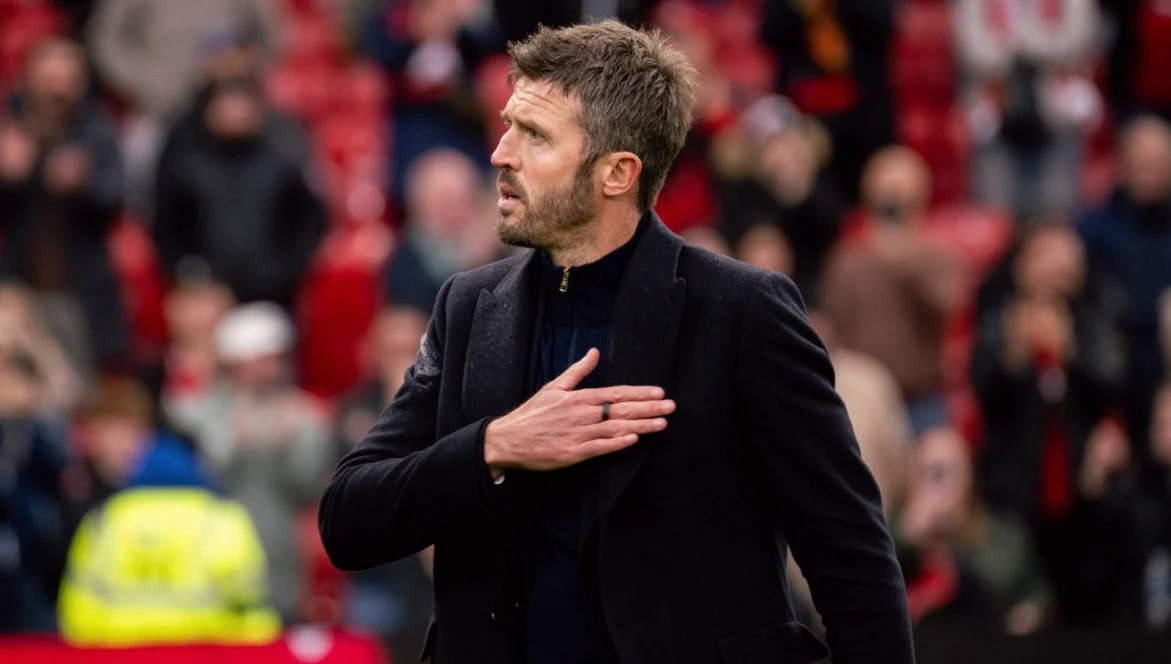
Arteta vows to curb touchline conduct after second Premier League booking
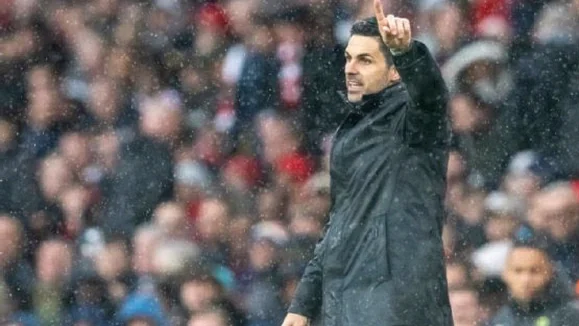
Mikel Arteta said he will have to curb his touchline involvement after collecting his second Premier League yellow card of the campaign during Arsenal’s 2-0 win over Everton.
The Arsenal manager was booked by referee Tony Harrington in a tense contest that also brought cautions for Everton boss David Moyes and Arsenal assistant Gabriel Heinze. Arteta’s side nevertheless took full advantage of Manchester City’s 2-1 defeat at Aston Villa, moving level with the leaders on points.
Ezri Konsa and Gabriel Magalhães scored the goals against Moyes’ Everton, but Arteta’s booking became another talking point after a match in which he again spent much of the afternoon close to the action outside his technical area.
Arteta argued that he is not alone among Premier League managers in regularly stepping beyond the designated zone. He said he has collected extensive footage of comparable incidents involving rival coaches, claiming one manager had left the technical area 36 times in a 10-minute period without receiving a caution.
“I’m clipping all of that,” Arteta said, adding that he has a “massive storage of images” and suggesting any manager held up as the benchmark for such conduct would have accumulated 36 bookings in that spell.
Premier League regulations require managers and coaching staff to remain within the technical area, although Arteta has become known for his animated, highly involved manner on the sideline. A further yellow card would trigger a one-match touchline suspension for the Arsenal head coach.
Arteta acknowledged that the disciplinary situation requires greater restraint, joking that Arsenal may need “good sensors” to stop him leaving his allotted area again.