GTA 4 Veteran Explains Why Rockstar Scrapped NPC Independent Daily Schedules
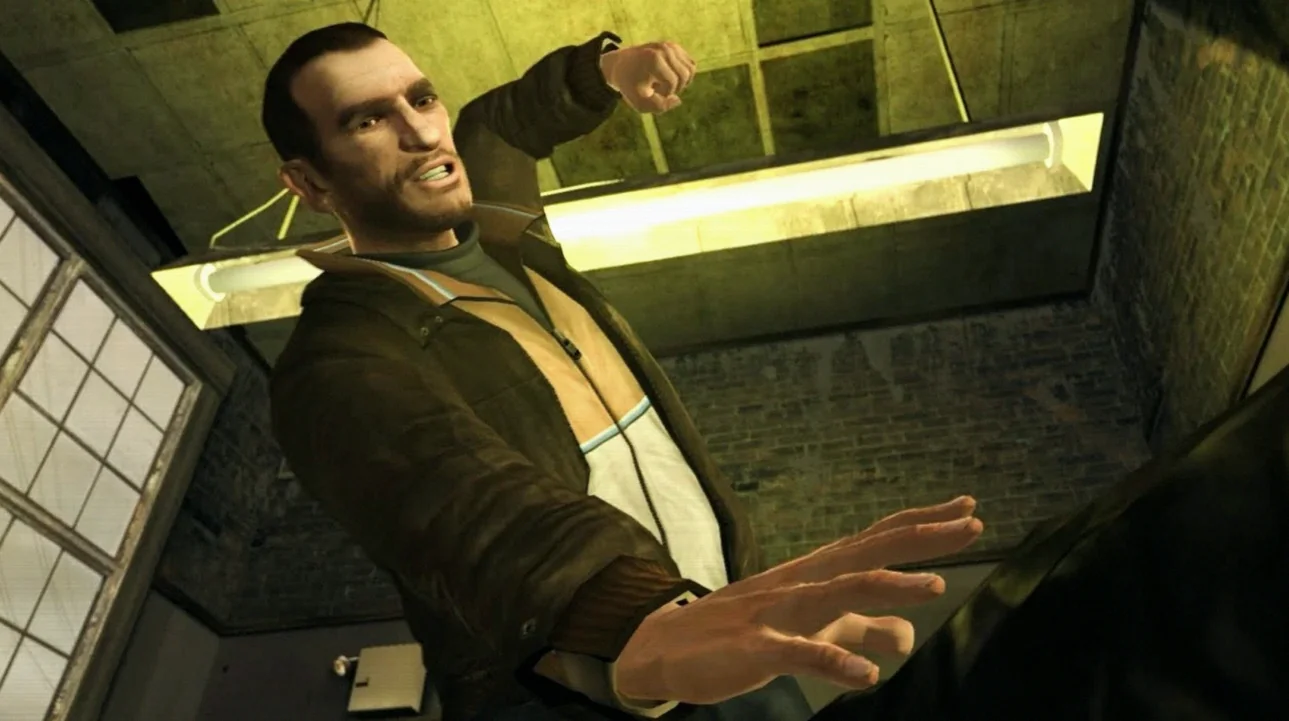
Rockstar’s ambition for Grand Theft Auto IV went beyond its story and map size—at least on paper. In an interview, longtime Rockstar technical director Obbe Vermeij explained that a plan to give NPCs in GTA 4 their own independent lives and daily schedules became a development headache and wasn’t worth the effort.
Quick facts
- Obbe Vermeij, a former technical director at Rockstar Games, discussed cut/failed ideas from GTA 4 production.
- Leslie Benzies wanted independent NPCs with their own living situations and daily schedules.
- Rockstar worked on the system for a period, but it turned out to be too troublesome.
- Vermeij said the approach caused a large number of bugs.
- He also argued it didn’t meaningfully improve GTA 4.
- Vermeij believes players don’t mind NPCs being somewhat artificial and that realism isn’t always the goal.
Vermeij’s comments center on what he describes as a core desire from Leslie Benzies: NPCs should have believable lives. That included where they live, how their day is structured, and the idea that each morning they would travel to work. The team did start working on it, but the system didn’t survive contact with production reality.
Part of the context is that GTA 4 was already operating at a high technical bar for its time. The game launched in 2008 with a new engine focused on convincing physics, a denser virtual city, a full narrative, and a darker tone. On top of that, Vermeij’s recollection suggests the NPC “independence” system was attempted anyway—and that’s where the trouble began.
Why the “living NPCs” idea didn’t make it
Vermeij was blunt about the outcome: the independent character system tied to schedules brought in “a huge number of bugs,” and he didn’t feel it added anything significant to the experience. He also challenged the premise that the complexity was necessary, arguing that having every character follow an individual timetable wasn’t important enough to justify the cost.
In his view, the player-facing result simply wasn’t worth it. He said the notion didn’t appeal to him because the extra realism didn’t matter in practice, and he went further from a psychological angle—claiming that players don’t really mind when independent characters feel shallow or artificial.
That culminated in his wider message: realism doesn’t automatically need to be a target for game design. It’s an outlook that runs against a major industry trend where more realistic simulations are often treated as inherently better, even when that push can consume time and resources that might be better spent on more directly fun or essential aspects of a game.
For Rockstar, it’s a particularly interesting contrast. The studio is also known for labor-intensive “wow” detail work—highlighted here by its approach in Red Dead Redemption 2. And the same publisher is looking ahead to Grand Theft Auto 6, with the implication that any future attempt to scale realism up will still have to survive the same kind of development friction that sank the GTA 4 NPC plan.