Openmouse Project Lets You Control DPI and Buttons in the Browser via WebHID
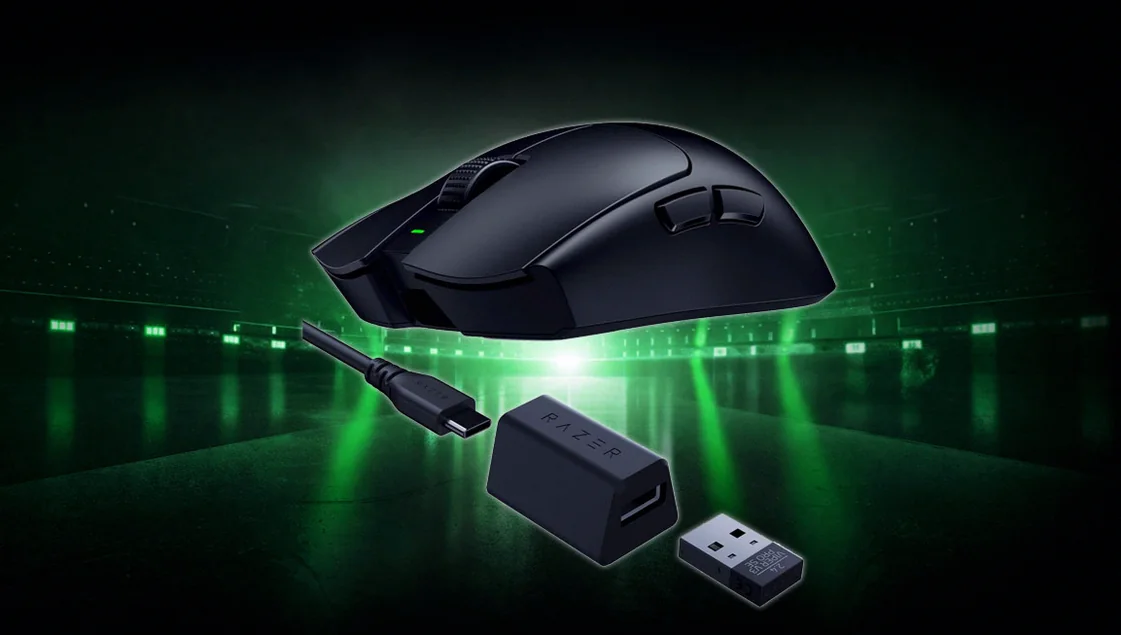
A new open-source project called Openmouse wants to replace manufacturer mouse software with a hardware-agnostic control panel that runs inside your web browser—at least for now. The team behind the effort says it’s building a browser-based app that uses WebHID on Chromium browsers, bringing settings like DPI and button mappings under one interface across multiple mouse brands.
What Openmouse is, and where it will run
Openmouse is being developed as a cross-platform alternative to proprietary mouse configuration tools. The project’s plan is to deliver its control panel through open-source software that runs in the browser via the WebHID interface.
- Supported operating systems: macOS, Linux, and Windows
- Supported browsers (for now): Chromium-based browsers such as Google Chrome, Brave, and Microsoft Edge
- Not supported (per current info): Apple Safari and Firefox
The project is currently in an early development phase, but the developers have shared a concept preview of how configuration could look for supported mice.
Which mouse brands the project aims to cover
Openmouse is designed to be used across multiple manufacturer ecosystems. The developers list several mouse brands as targets, including:
- Logitech
- Razer
- Pulsar
- Endgame
- Orbital
- WLMouse
- Ninjutso
- Other unspecified brands
For Logitech, the project also indicates that support for HITS technology is already being worked on. The developers note that this sensor technology currently appears only in selected Logitech mice.
Example: what can be configured on a Logitech Superlight 2C concept preview
In a concept preview built around a Logitech Superlight 2C, the Openmouse interface shows a set of “safe settings” that users can view and monitor. The preview also demonstrates which options are intended to be editable.
Safe settings shown in the preview
- Battery status / charge level
- Firmware version
- Active connection mode
Settings the developers say you can change
- DPI values
- Polling rate (report rate)
- Lift-off distance (the point at which the sensor stops transmitting data when the mouse is raised)
- Movement synchronization
Planned interface structure
The developers say the UI is organized into multiple tabs, including:
- Performance
- Buttons
- Profiles
They also clarify that these tabs are still under construction in the current development stage.
Planned features: wireless support and offline configuration
Openmouse’s roadmap includes configuration options beyond the current browser-based setup. The developers say they plan to add support for wireless mice and offline configuration, described as similar to the functionality offered by Wootility.
Early access and how to request support
An early-access test is expected to begin soon. Interested users will be able to submit feature requests and requests for additional supported devices through the project’s official Discord server.
Quick context: why browser-based HID control matters
Because Openmouse is built around WebHID within Chromium-based browsers, it’s fundamentally tied to browser support for HID access. The current limitation is also reflected in the stated browser compatibility: Chromium browsers are supported, while Firefox and Safari are not (for the time being).