Morocco and Spain Await FIFA Decision on 2030 World Cup Final Host
FIFA has not selected the host of the 2030 World Cup final, leaving Morocco and Spain competing publicly for the tournament’s showpiece match despite claims from Moroccan federation president Fouzi Lakjaa that the game is destined for the Grand Stade Hassan II in Benslimane.
Why the final decision matters
| Item | Details |
|---|---|
| 2030 co-hosts | Spain, Portugal and Morocco |
| Morocco’s proposed venue | Grand Stade Hassan II, Benslimane |
| Planned Hassan II capacity | 115,000 |
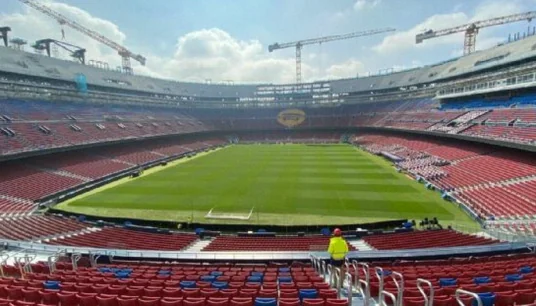
| Barcelona option | Camp Nou, 105,000 after renovation |
| Madrid option | Santiago Bernabéu, 78,297 |
The contest for the final has become a significant point of tension within a World Cup designed to link Europe and Africa. Spain, Portugal and Morocco were confirmed as joint hosts three years ago, while Uruguay, Argentina and Paraguay will stage opening fixtures involving their own national teams to mark the 100th anniversary of the first World Cup, held in Montevideo in 1930.
FIFA maintained on Thursday that the choice of final venue would be settled “in due course”. It had made the same position clear on August 5, when it rejected suggestions that Morocco had been guaranteed the final in return for backing FIFA president Gianni Infantino ahead of elections next March.
Lakjaa nevertheless presented the Moroccan case as settled at a political gathering, saying Benslimane would stage the final at the Hassan II stadium and expressing hope that Morocco would be one of the finalists.
The stadium is being built on the outskirts of Casablanca and is intended to become one of the largest football grounds in the world. Its proposed 115,000-seat capacity would exceed the two principal Spanish candidates: Barcelona’s renovated Camp Nou, expected to hold 105,000, and Real Madrid’s Santiago Bernabéu, which has a capacity of 78,297.
Spain’s federation president Rafael Louzán has argued that Spain should receive the final, while accepting that no formal allocation has yet been made. He said the joint bid agreement had failed to make the venue fully clear and pointed to Spain’s status as men’s and women’s world champions as grounds for hosting the match.
European and Moroccan pressure grows
European football figures regard the expanded six-country tournament principally as a European event and believe the final should therefore remain on the continent. Morocco’s case, however, carries wider importance for a country that has invested heavily in football infrastructure and its position on the international stage.
The debate also arrives during a difficult period for Infantino. UEFA led the opposition that halted his proposal to sell stakes in the World Cup, while six Arab national associations, including Morocco’s, have supported him since that dispute. Infantino visited Morocco twice recently, meeting King Mohammed VI during July’s celebrations of his accession to the throne before returning for a FIFA crisis meeting in August.
Diplomatic strains between Madrid and Rabat provide a further backdrop. Spain and Morocco have faced renewed tension over the Ceuta border crossing, where tens of thousands of people, mostly Moroccans encouraged by social-media posts, entered the Spanish enclave. Spain’s prime minister said 140 people died during the crossing. Spanish police assessments did not exclude involvement by Moroccan security personnel, though they considered it unlikely that the Moroccan government deliberately organised the incident.
What remains undecided
FIFA has given no timetable for naming the 2030 final venue. Until that decision is made, Benslimane, Camp Nou and the Bernabéu remain the leading potential stages for the tournament’s final match.