Carragher: Manchester United’s Spending Has Left Carrick with Limited Options
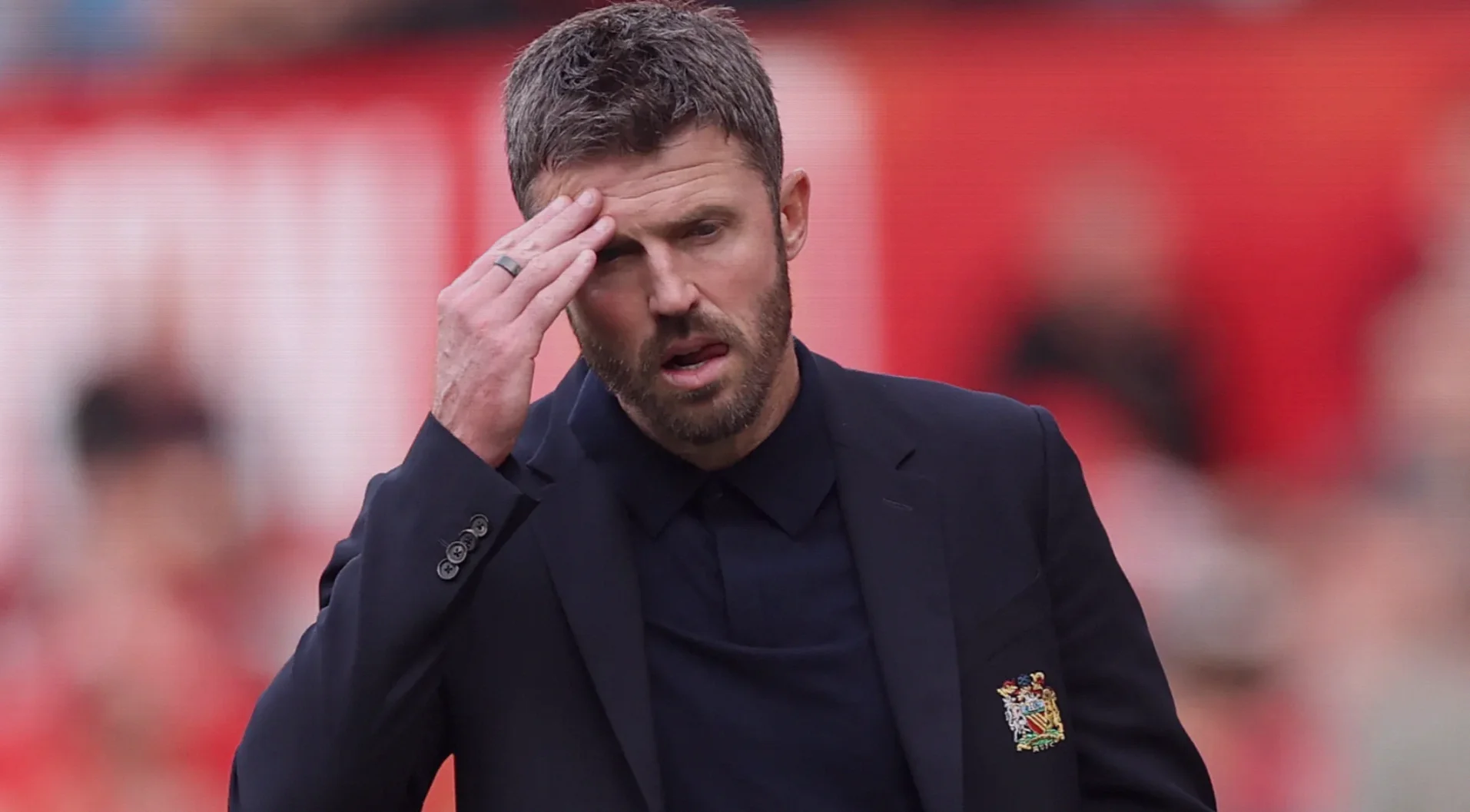
Manchester United’s 1-1 draw with Leeds United at Elland Road has intensified scrutiny of Michael Carrick, but the manager’s immediate problems extend beyond results. The club have committed more than £150 million in summer transfer fees while retaining one of the Premier League’s largest wage bills, leaving limited scope to reshape an expensively assembled squad that has continued to fall short.
High costs and limited room to rebuild
United have repeatedly missed Champions League football over the past decade, yet their payroll has remained among the division’s heaviest. Salary rises triggered by last season’s European qualification have added to the burden for a number of current players.
The financial position has made departures particularly difficult. Players who have not delivered consistently are on contracts that rival clubs are unwilling to match, while those players have little incentive to surrender favourable terms at Old Trafford. That has restricted United’s ability to generate meaningful sales revenue and reinvest in further changes.
- United sanctioned more than £150 million of recruitment during the summer window, increasing the pressure on an already substantial wage commitment.
- Automatic pay increases linked to European qualification raised the cost of retaining parts of the squad.
- Attempts to move on fringe and underperforming players have been complicated by their salaries and a lack of suitable buyers.
- The resulting lack of outgoing transfers has left the club unable to rely on net-spend solutions for another major rebuild.
Carragher warns spending cannot remain unchecked
Jamie Carragher has argued that United’s spending power has concealed a deeper problem: significant investment has not brought regular success or Champions League qualification. In his view, a club can spend heavily after winning trophies, as Liverpool and Manchester City have done, but cannot continue to outlay at that level indefinitely without matching sporting returns.
He described United’s position as a cycle in which poor performance makes unwanted players harder to sell, while high wages make potential exits even less realistic. Carragher’s assessment was that this summer represented the point at which United could no longer simply be the market’s biggest spenders.
Lisandro Martinez has also voiced frustration over the recent window, directing criticism at Jason Wilcox and saying he had expected more investment. The defender’s comments have underlined the tension around the club’s transfer limitations, with members of the squad questioning whether the hierarchy has provided enough backing.
Carrick faces growing pressure
United’s poor opening to the campaign has placed Carrick under considerable pressure. The 45-year-old has recorded only one win so far, and the Leeds draw prolonged a disappointing sequence of results.
With the squad carrying major salary costs and the club unable to rely on another spending-led solution, Carrick must now improve the output of the players already available to him. The challenge is to arrest United’s form quickly while navigating the financial constraints that have made a further overhaul increasingly difficult.